
Amber Palace (Amer Fort) , Jaipur

69 people are viewing this place right now

Address - Devisinghpura, Amer, Jaipur, Rajasthan 302001

🕒open - 8:00 am

🕙Closed - 5:30 pm

🔖Entry Ticket Required

🔖Entry Ticket Required

Summary

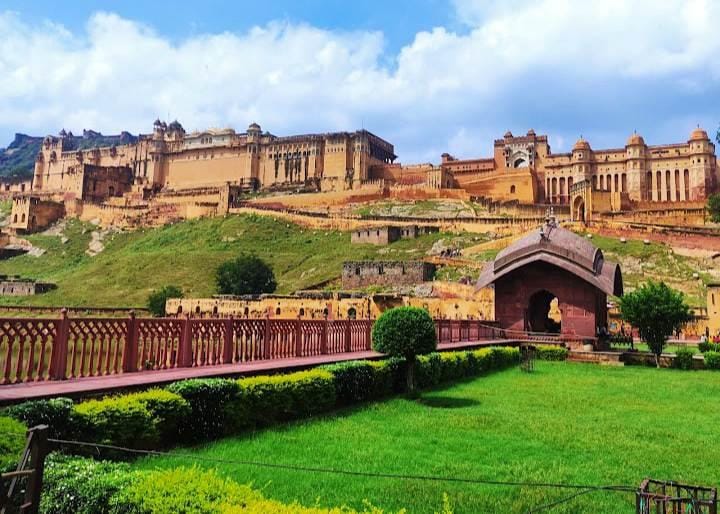
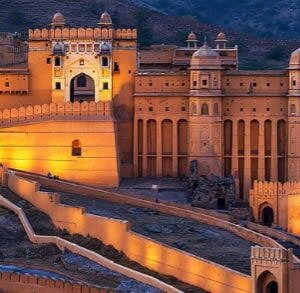
Amber Palace, also known as Amer Fort, was built in 1592 by Raja Man Singh I near Jaipur. A blend of Rajput and Mughal architecture, it features Sheesh Mahal, Diwan-i-Aam, and Sukh Niwas. A UNESCO World Heritage Site, it was the royal residence of the Kachwaha rulers until 1727.

Location

  • Devisinghpura, Amer, Jaipur, Rajasthan 302001

⬇️Tap on “View larger map” to get Direction

Full Story

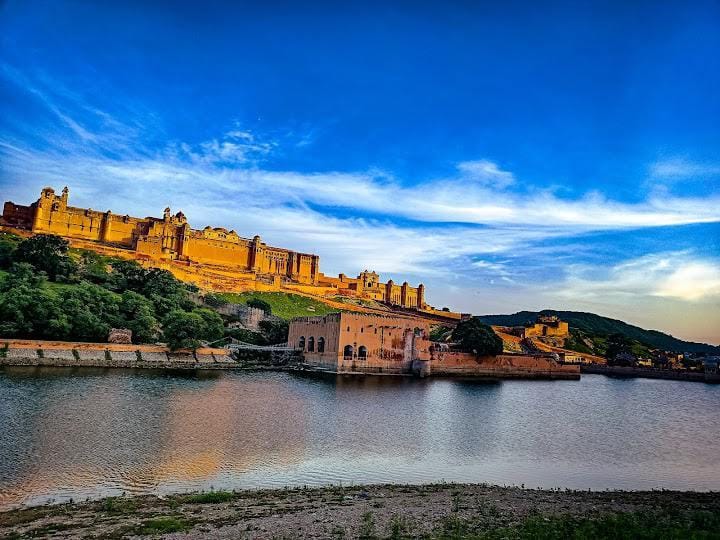
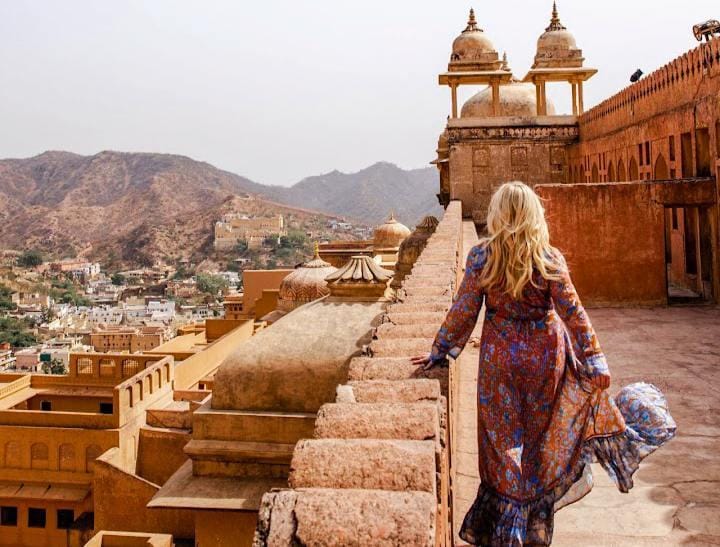
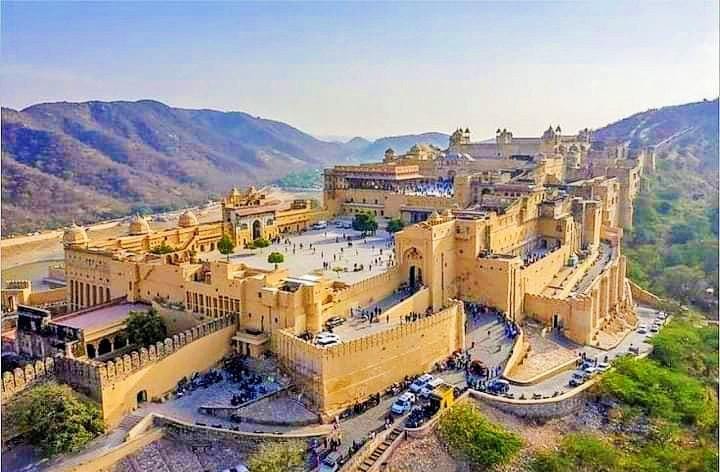
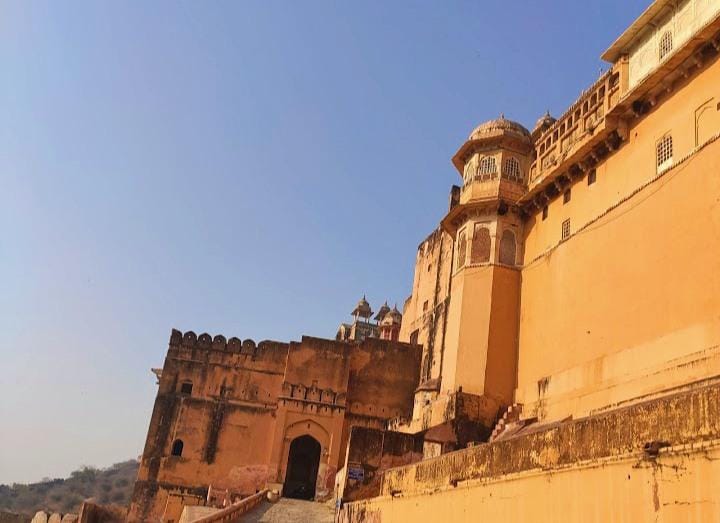
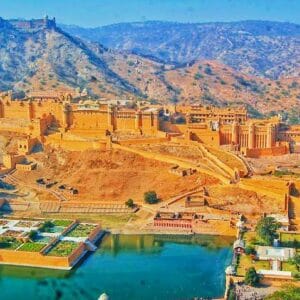
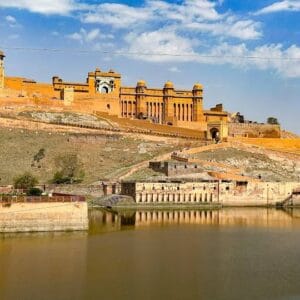
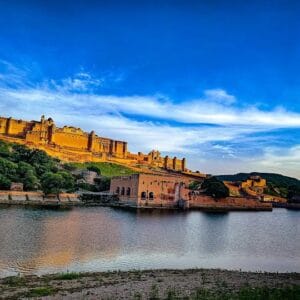
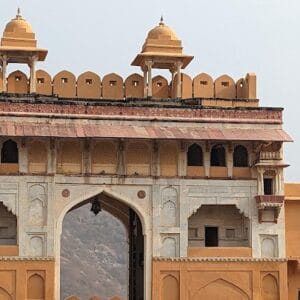
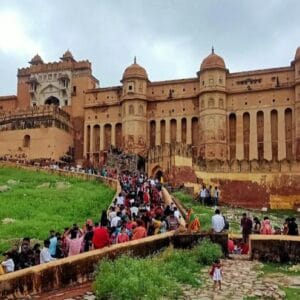
The Amber Palace, also known as Amer Fort, is a majestic historical fort located in Amer, a town near Jaipur, Rajasthan, India. It stands as a testament to the grandeur and architectural brilliance of the Rajput era. Here’s a detailed account of its history and significance:


Historical Background

  1. Origins and Early History:
    • The Amber Palace was originally built by Raja Man Singh I in 1592, a trusted general of Emperor Akbar and one of the nine gems (Navaratnas) of his court.
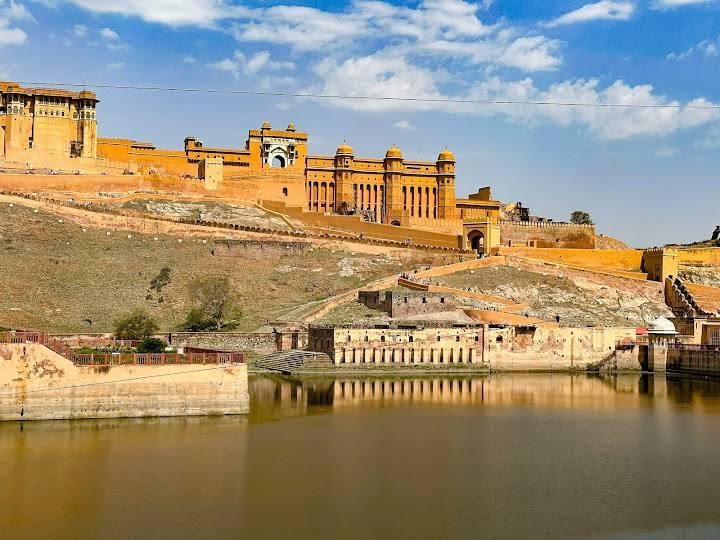
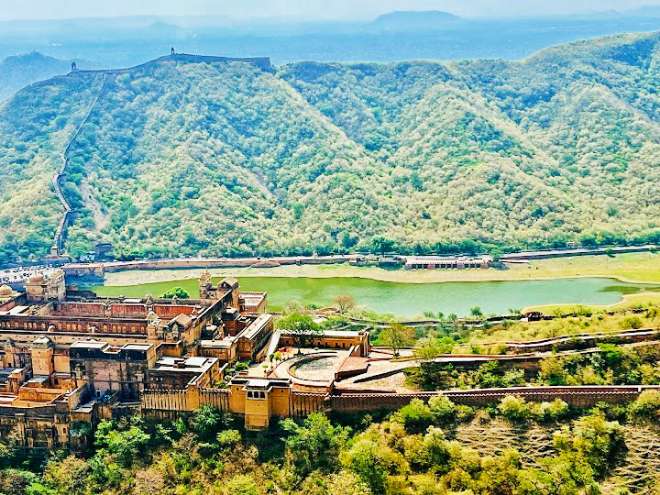
    • The site of the fort was chosen for its strategic location on a hilltop, offering a commanding view of the surrounding area and providing natural defense against invaders.
    • The fort was expanded and renovated over the next 150 years by successive rulers, including Mirza Raja Jai Singh I and Sawai Jai Singh II, who added significant structures and features.
  2. Rajput-Mughal Influence:
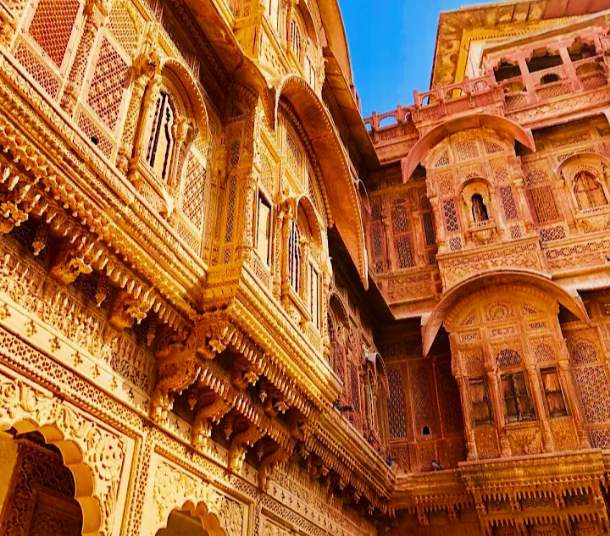
    • The Amber Palace reflects a unique blend of Rajput and Mughal architectural styles, showcasing the cultural synthesis of the time.
    • While the Rajputs were known for their valor and warrior ethos, their alliance with the Mughals brought about a fusion of artistic and architectural elements, evident in the fort’s design.
  3. Capital of the Kachwaha Dynasty:
    • Amer served as the capital of the Kachwaha Rajputs until 1727, when Sawai Jai Singh II founded Jaipur and shifted the capital there.
    • Despite the shift, the Amber Palace remained a significant cultural and political center.

Architectural Marvels

The Amber Palace is a stunning example of Rajput architecture, with its intricate designs, expansive courtyards, and luxurious interiors. Key features include:

  1. Main Entrance (Suraj Pol):
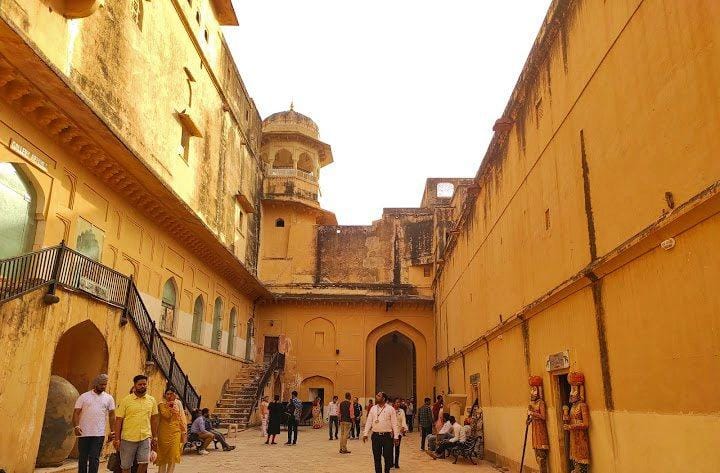
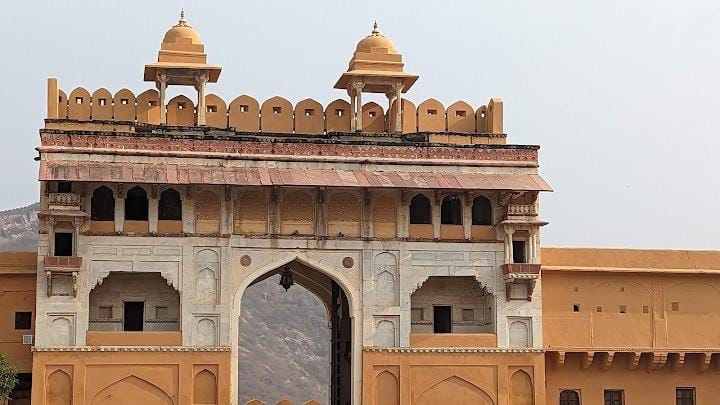
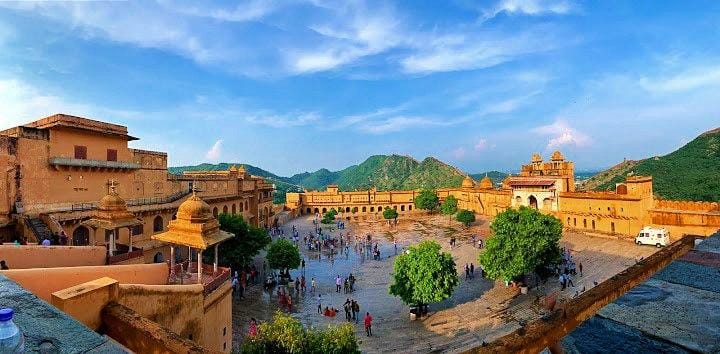
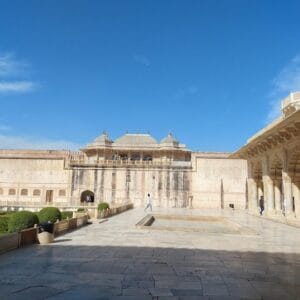
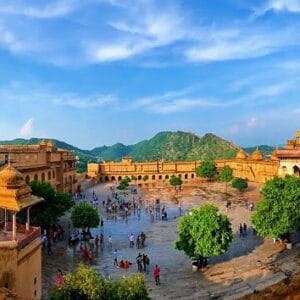
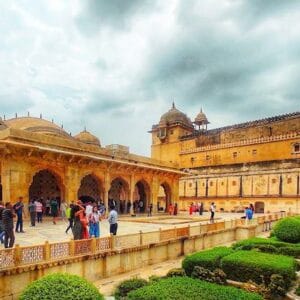
    • The fort is accessed through the Suraj Pol (Sun Gate), which opens into the main courtyard, Jaleb Chowk, where returning armies would display their war loot.
  2. Sheesh Mahal (Mirror Palace):
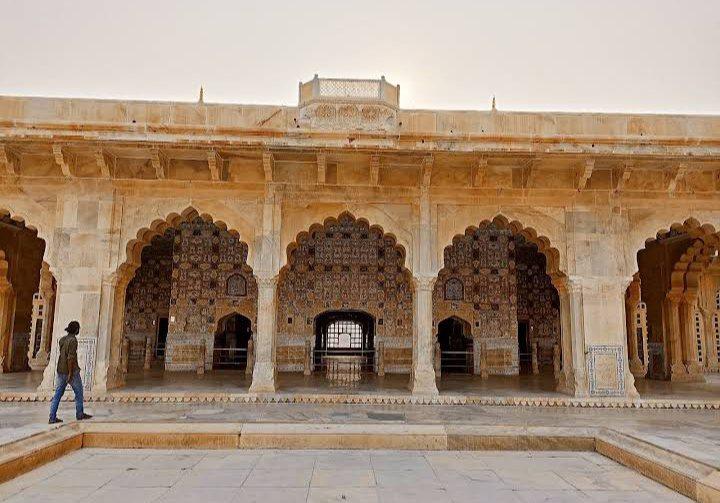
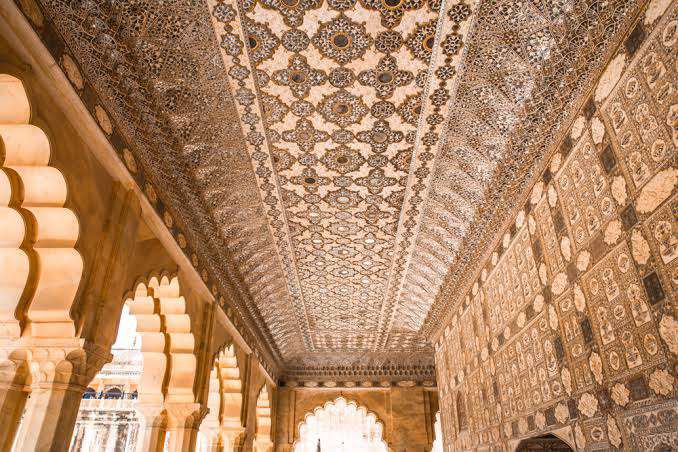
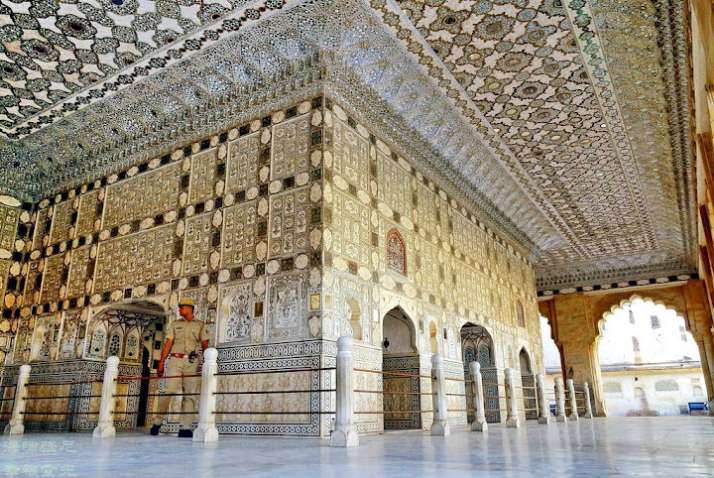
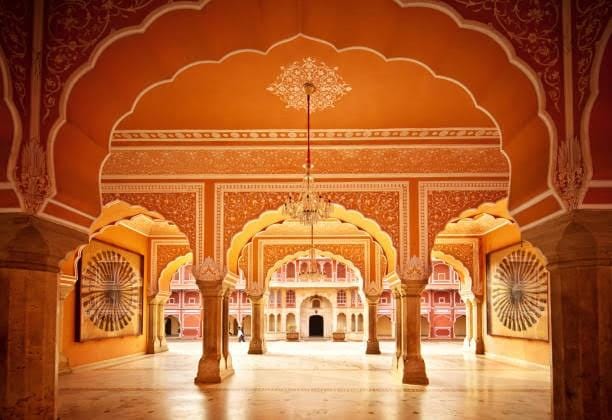
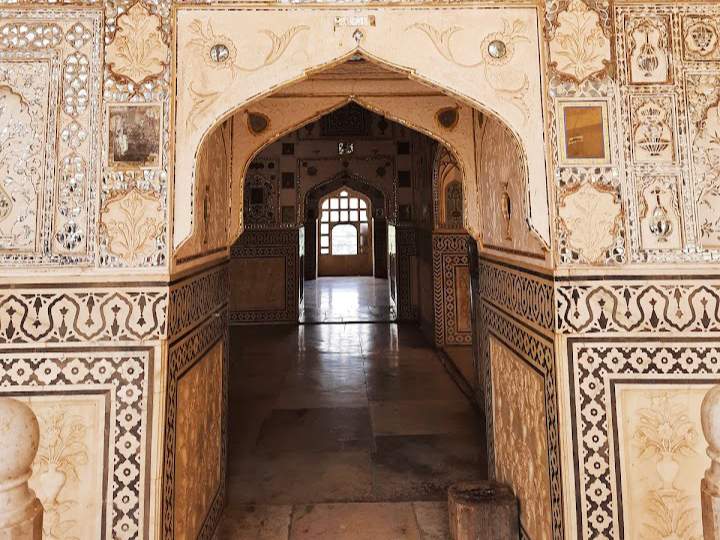
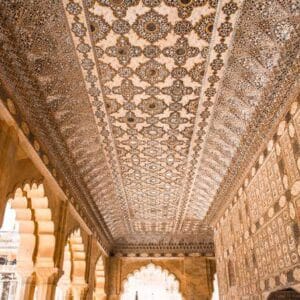
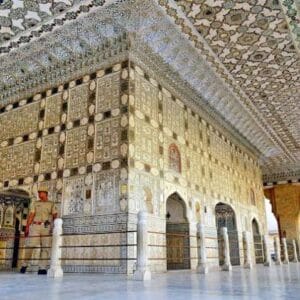
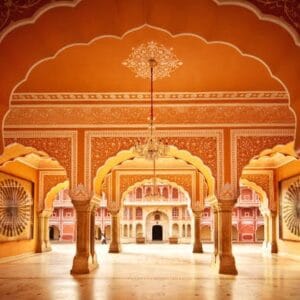
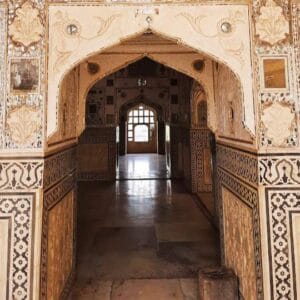
    • One of the most famous attractions, the Sheesh Mahal is adorned with intricate mirror work that reflects light in mesmerizing patterns. It is said that a single candle could illuminate the entire room.
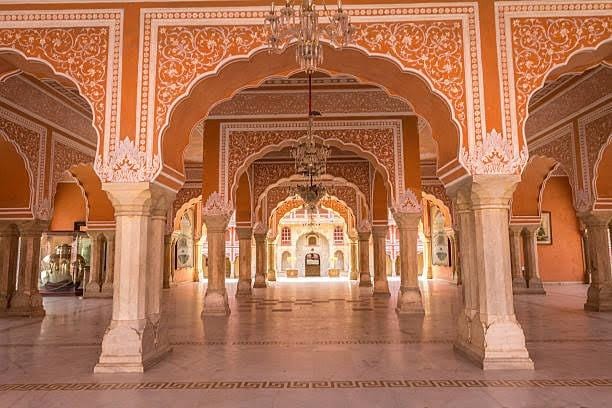
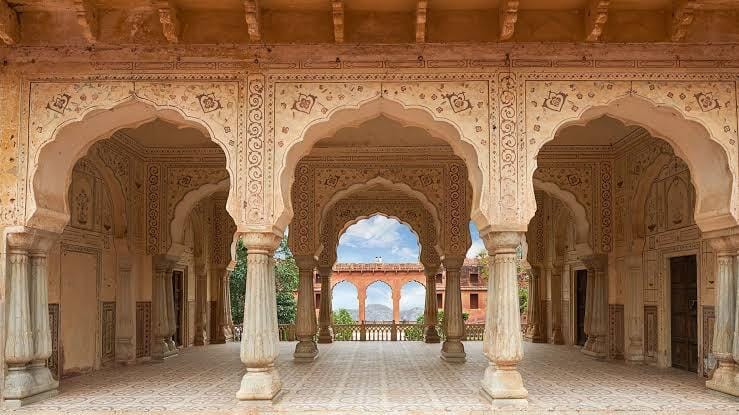
  3. Diwan-i-Aam (Hall of Public Audience):
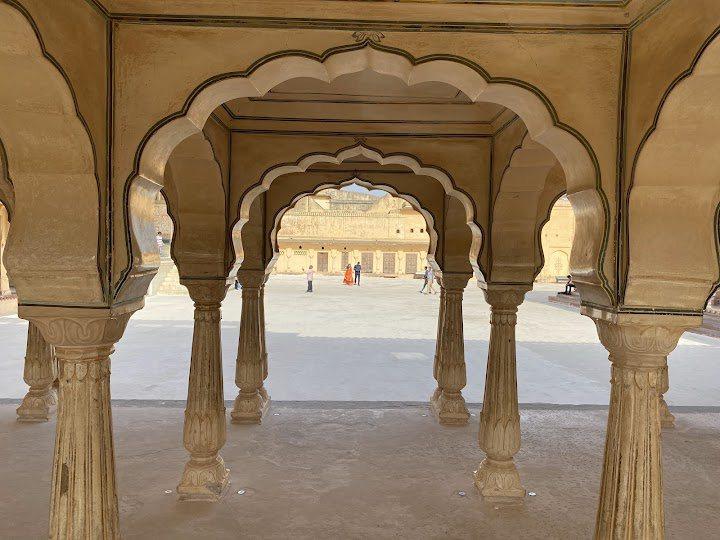
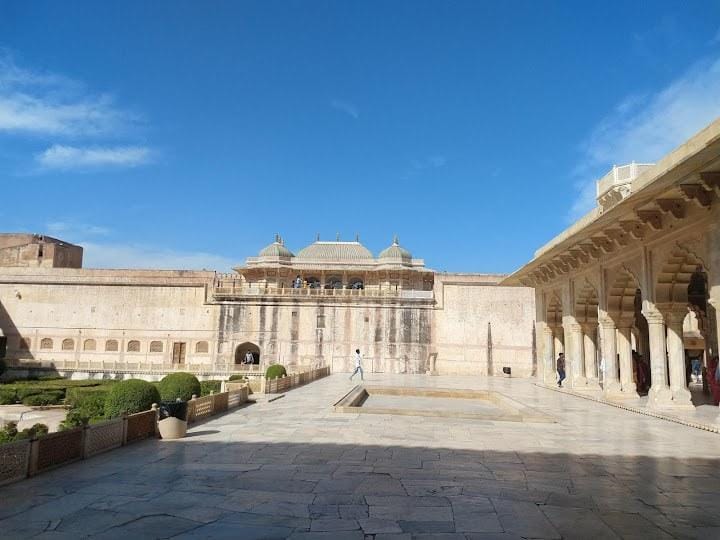
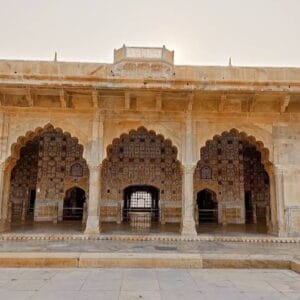
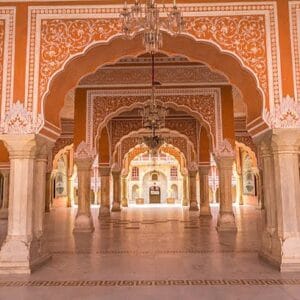
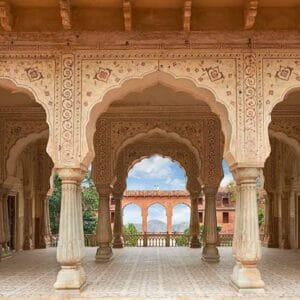
    • This open hall was used by the king to address the public and listen to their grievances. It features beautifully carved pillars and latticework.
  4. Diwan-i-Khas (Hall of Private Audience):
    • A more exclusive space for private meetings with dignitaries, this hall is adorned with exquisite marble work and floral designs.
  5. Sukh Niwas (Hall of Pleasure):
    • This hall was designed for relaxation and leisure, featuring a cooling system where water flowed through channels to regulate the temperature.
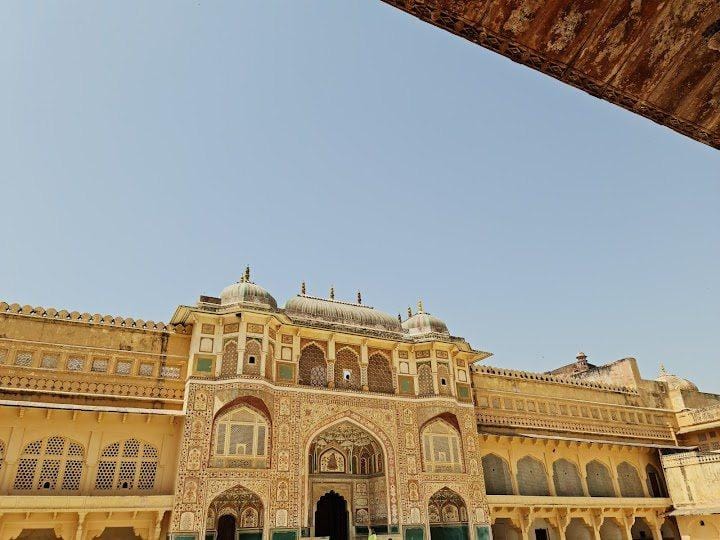
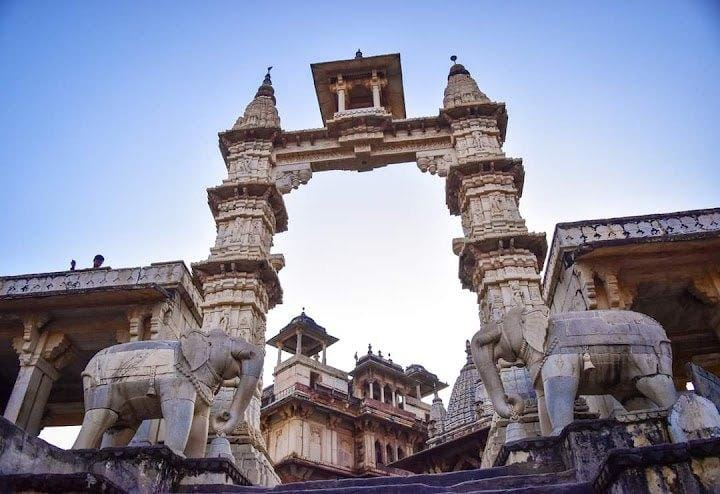
  6. Ganesh Pol:
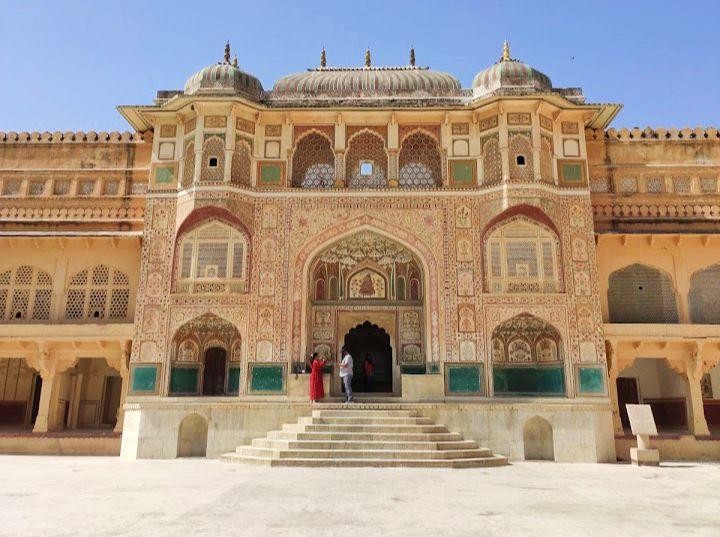
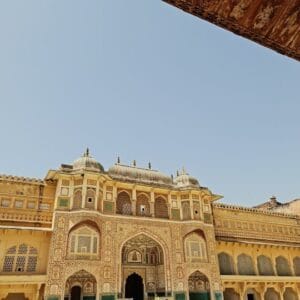
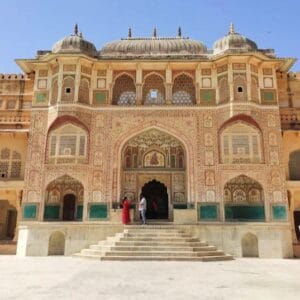
    • A grand gateway decorated with frescoes and murals, leading to the private quarters of the royal family.
  7. Maota Lake:
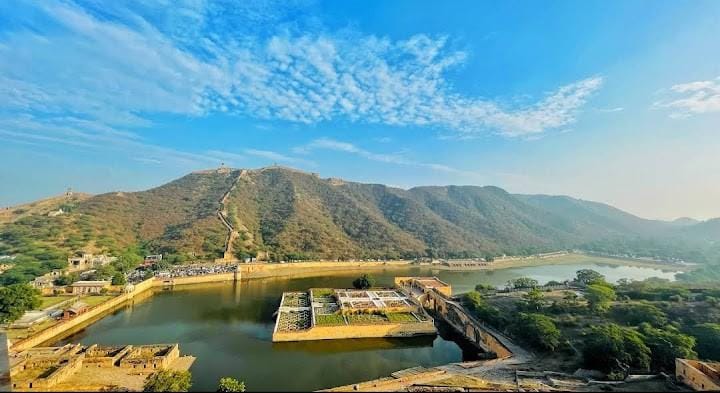
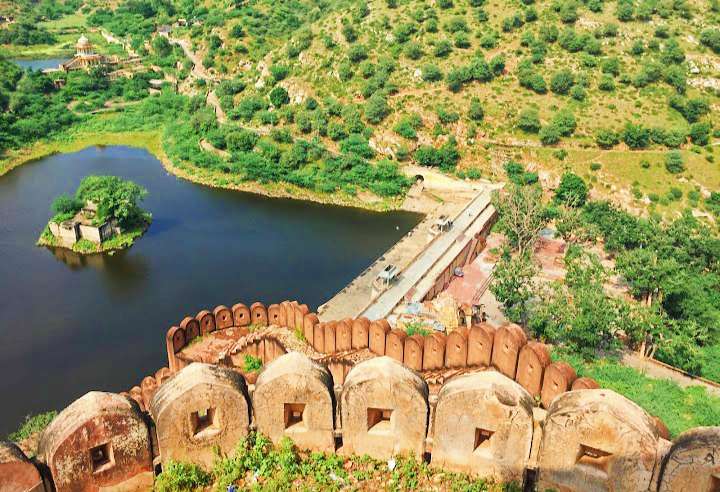
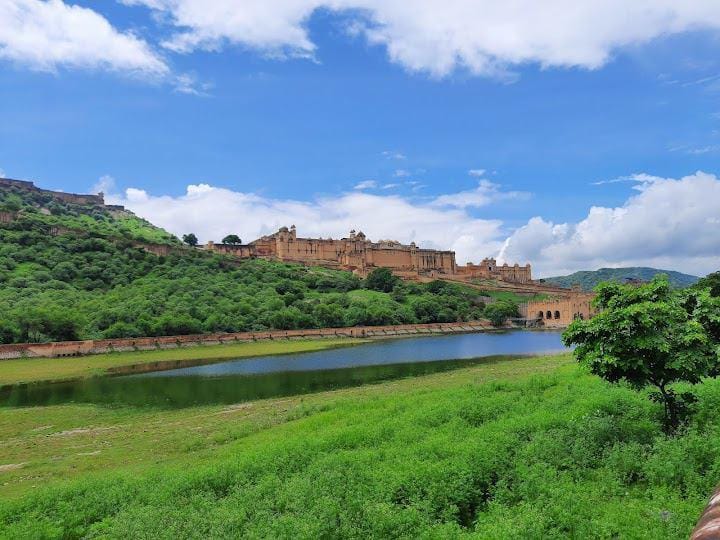
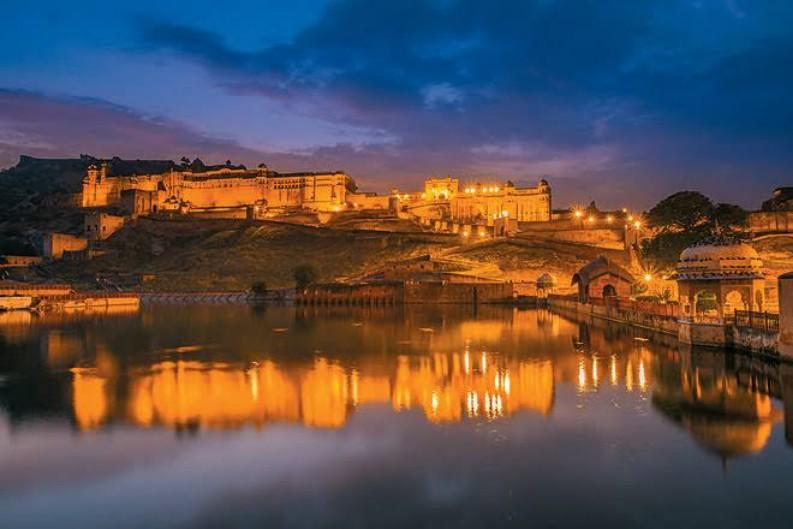
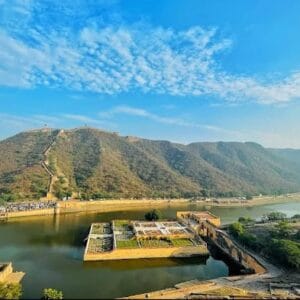
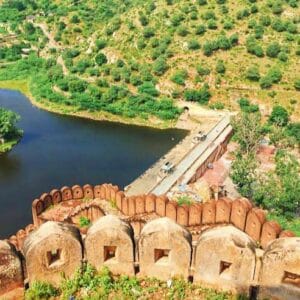
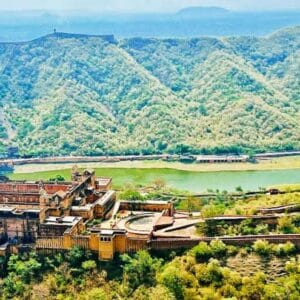
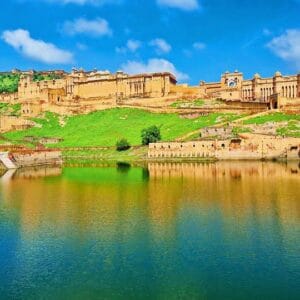
    • The fort is surrounded by the picturesque Maota Lake, which adds to its scenic beauty and served as a water source for the palace.

Cultural and Historical Significance

  1. Symbol of Rajput Valor:
    • The Amber Palace stands as a symbol of Rajput pride, valor, and their rich cultural heritage.
    • It reflects the strategic acumen of the Rajput rulers, who combined military strength with artistic sensibility.
  2. Tourist Attraction:
    • Today, the Amber Palace is one of the most visited tourist destinations in Rajasthan, attracting millions of visitors annually.
    • The fort is part of the UNESCO World Heritage Site under the “Hill Forts of Rajasthan” listing.
  3. Elephant Rides:
    • A popular tradition at the Amber Palace is the elephant ride up the ramparts, offering visitors a royal experience reminiscent of the past.
  4. Light and Sound Show:
    • The fort hosts a captivating light and sound show in the evenings, narrating the history of the Amber Palace and the valor of the Rajput rulers.

Legacy and Preservation

  • The Amber Palace has been meticulously preserved by the Archaeological Survey of India (ASI) and the Rajasthan government.
  • Efforts are ongoing to maintain its structural integrity and restore its artistic elements, ensuring that future generations can appreciate its grandeur.

Conclusion

The Amber Palace is not just a fort; it is a living chronicle of Rajasthan’s royal past, showcasing the splendor, artistry, and resilience of the Rajput era. Its breathtaking architecture, rich history, and cultural significance make it a jewel in India’s heritage. A visit to the Amber Palace is a journey back in time, offering a glimpse into the opulent lives of the Rajput kings and their enduring legacy.

Opening time
  • Timings: 8:00 AM – 5:30 PM (Day Visit)
  • Light & Sound Show:
    • English Show: 7:30 PM
    • Hindi Show: 8:00 PM
Best time to visitEarly Morning, Late Afternoon or Evenings for a peaceful experience.
Best day to visit
  • Best Days: Weekdays (Monday to Friday) – Less crowded and peaceful for exploration.
  • Avoid: Weekends (especially Saturdays & Sundays) – Weekends tend to be busier, as more people have time off.
Best month/season to visitOctober to March (Winter)
National Emergency Number( sos )112
Place helping / contact no.Tourism Department of Rajasthan :

  • Contact No.: +91-141-2822800
  • Contact No.: +91-141-5110593

Inquiries regarding Amber Palace :

  • Contact No.: +91 141 253 0293
Significance

Amber Palace is much more than just a beautiful building. It’s a living testament to Rajasthan’s history, culture, art, and architecture, making it an indispensable part of any visit to Jaipur.

Type of PlacePalace complex , tourist attraction , Historical Fort & Palace , UNESCO World Heritage Site , Architectural , Cultural Landmark , Rajput & Mughal Architectural Blend & Heritage Site
Built ByAmber Palace (Amer Fort) was built by Raja Man Singh I in 1592. Later, it was expanded and renovated by Raja Jai Singh I and successive rulers of the Kachwaha dynasty.
Year of Construction1592
Public washroomAvailable nearby
Canteen / RestaurantThere are many food stalls nearby
Parkingnearby
Busiest day
  • Weekends (Saturday & Sunday) – High tourist footfall.
  • Public Holidays & Festivals – Especially during Diwali, Holi, and Jaipur Literature Festival.
  • Peak Tourist Season (October – March) – Large crowds due to pleasant weather.
  • Early Mornings & Late Afternoons – Generally less crowded compared to midday.
Local language
  • Rajasthani – Widely spoken in the region.
  • Hindi – Commonly spoken and understood.
  • English – Used in tourist areas, hotels, and guides.
Nearby accommodationAvailable
Spread over areaAmber Palace (Amer Fort) is spread over 4 square kilometers on a hilltop, overlooking Maota Lake. It is part of the larger Amber Fort complex, which is connected to Jaigarh Fort.

Amber Palace, Jaipur – Ticket Fee Details

CategoryTicket Price (₹)
Indian Tourists₹100 per person
Indian Students₹10 per person
Foreign Tourists₹500 per person
Foreign Students₹100 per person
Light & Sound Show (Hindi)₹100 per person
Light & Sound Show (English)₹200 per person

Additional Charges:

  • Elephant Ride (One Way) – ₹1,100 per elephant (for 2 people).
  • Guide Fee – ₹300 to ₹600 (varies by service).

Things to Do.

Amber Palace is a breathtaking blend of Rajput and Mughal architecture, offering visitors a deep dive into Rajasthan’s royal history. Here’s how to make the most of your visit:

1. Explore the Magnificent Architecture

  • Walk through Sheesh Mahal (Mirror Palace), where thousands of mirrors create a dazzling effect.
  • Visit Diwan-i-Aam (Hall of Public Audience) and Diwan-i-Khas (Hall of Private Audience) to see grand Mughal-style halls.
  • Admire Ganesh Pol, a beautifully painted entrance gate leading to royal chambers.

2. Experience the Light & Sound Show

  • Attend the evening light and sound show, which narrates the fort’s history with mesmerizing visuals and music.

3. Enjoy a Royal Elephant Ride

  • Take a traditional elephant ride up the fort’s ramparts, experiencing the grand entry like ancient royals.

4. Capture Stunning Views

  • Photograph the fort’s majestic courtyards, gardens, and Maota Lake, which offer breathtaking views, especially at sunrise and sunset.

5. Visit the Secret Tunnel to Jaigarh Fort

  • Discover the hidden passage that once served as an escape route during battles, connecting Amber Palace to Jaigarh Fort.

6. Relish Authentic Rajasthani Cuisine

  • Dine like royalty at 1135 AD Restaurant, located inside the fort, serving exquisite Dal Baati Churma, Laal Maas, and Rajasthani Thali.

7. Shop for Local Handicrafts

  • Visit nearby markets to buy traditional jewelry, blue pottery, embroidered textiles, and miniature paintings.

Each experience at Amber Palace is a glimpse into Rajasthan’s royal grandeur.

Travel Tips

  1. Best Time to Visit – October to March offers pleasant weather; visit early morning or late afternoon to avoid heat and crowds.
  2. Wear Comfortable Shoes – Expect walking on uneven paths and climbing stairs inside the fort.
  3. Stay Hydrated – Carry a water bottle, as exploring the palace can take a few hours.
  4. Hire a Guide – Opt for an official guide or an audio guide to learn about the palace’s rich history.
  5. Book Tickets in Advance – Avoid long queues by booking entry and light & sound show tickets online.
  6. Carry Sun Protection – Sunglasses, sunscreen, and a hat are essential, especially during summer.
  7. Photography – Cameras are allowed, but some areas may have restrictions; check before clicking.
  8. Be Cautious with Elephant Rides – Book only government-approved rides and ensure the animals are well-treated.
  9. Visit Nearby Attractions – Explore Jaigarh Fort, Nahargarh Fort, and Jal Mahal for a complete experience.
  10. Respect Local Customs – Dress modestly and follow local guidelines, especially in religious areas within the fort.

How to Reach

Amber Palace is located 11 km from Jaipur city center and is easily accessible by various modes of transport:

1. By Air

  • Nearest Airport: Jaipur International Airport (13 km away)
  • Transport: Hire a cab/taxi (₹400–₹700) or use app-based services like Ola/Uber.

2. By Train

  • Nearest Railway Station: Jaipur Junction (13 km away)
  • Transport: Take an auto-rickshaw (₹150–₹300) or cab from the station. Jaipur Metro also connects to nearby areas.

3. By Road

  • From Jaipur City Center:
    • Bus: Rajasthan Roadways and private buses are available from Ajmeri Gate & Hawa Mahal (₹20–₹50).
    • Taxi/Cab: Private cabs, Ola, Uber, and local taxis (₹300–₹600).
    • Auto-Rickshaw: Affordable but may require bargaining (₹200–₹400).
    • Bike/Scooter Rentals: Available for self-exploration (₹300–₹500 per day).

4. From Other Cities

  • Well-connected via NH-48 to major cities like Delhi, Agra, and Udaipur.
  • Private and government buses run frequently from Delhi (270 km, 5-6 hours).

Reviews

There are no reviews yet.

Be the first to review “Amber Palace (Amer Fort) , Jaipur”

Your email address will not be published. Required fields are marked