

Hawa Mahal (Palace of Winds) , Jaipur

66 people are viewing this place right now

Address - Hawa Mahal Rd, Badi Choupad, J.D.A. Market, Pink City, Jaipur, Rajasthan 302002

🕒open - 9:00 am

🕙Closed - 5:00 pm

🔖Entry Ticket Required

🔖Entry Ticket Required

Summary

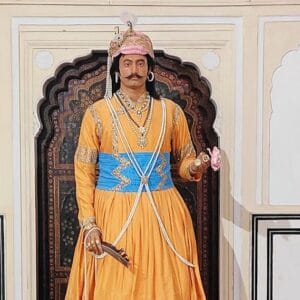
Hawa Mahal, built in 1799 by Maharaja Sawai Pratap Singh, is a stunning five-story palace with 953 intricately designed windows. Made of red and pink sandstone, it allowed royal women to observe city life unseen. Its ventilation system keeps it cool, making it an architectural marvel of Jaipur.

Location

  • Hawa Mahal Rd, Badi Choupad, J.D.A. Market, Pink City, Jaipur, Rajasthan 302002

⬇️Tap on “View larger map” to get Direction

Full Story

The Hawa Mahal, or “Palace of Winds,” is one of the most iconic landmarks in Jaipur, Rajasthan, India. Known for its unique architectural design and cultural significance, it stands as a symbol of Jaipur’s royal heritage and artistic brilliance. Here’s a detailed exploration of its history, architecture, and significance:


Historical Background

  1. Construction and Purpose:
    • The Hawa Mahal was built in 1799 by Maharaja Sawai Pratap Singh, the grandson of Maharaja Sawai Jai Singh II, the founder of Jaipur.
    • It was designed by Lal Chand Ustad, a renowned architect of the time.
    • The primary purpose of the Hawa Mahal was to allow the royal ladies of the court to observe everyday life and festivities in the city without being seen by the public. This was in line with the strict purdah system (veiling) observed by royal women.
  2. Integration with the City Palace:
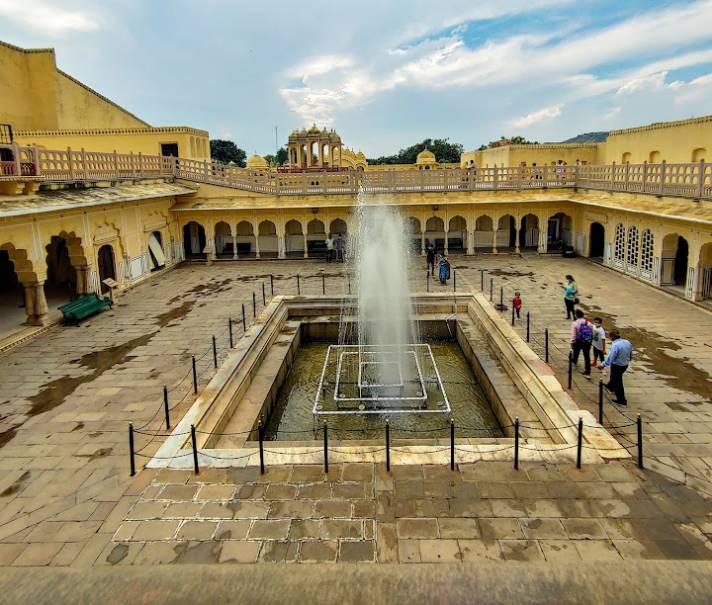
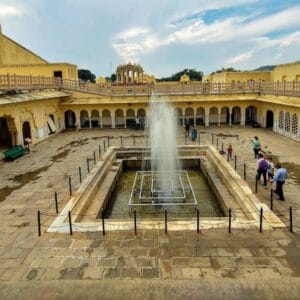
    • The Hawa Mahal is an extension of the City Palace complex and was constructed as part of the royal precinct.
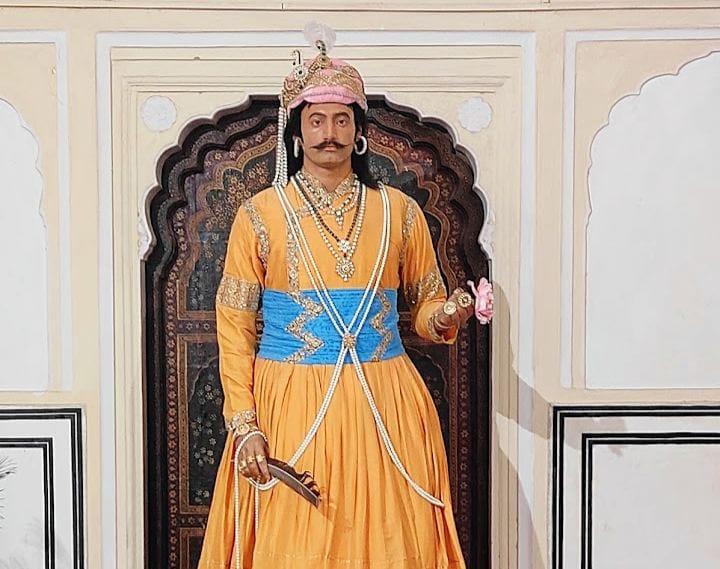
    • It served as a viewing gallery for the royal women, who could watch processions and daily activities through its intricately designed windows.

Architectural Marvel

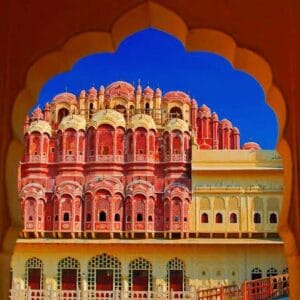
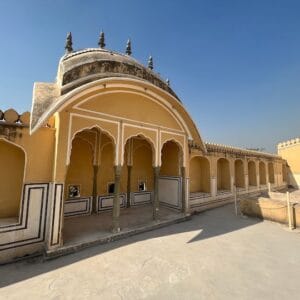
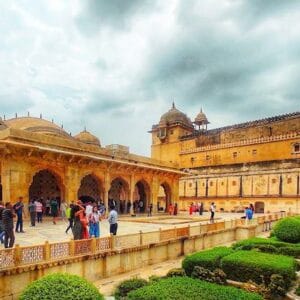
The Hawa Mahal is a stunning example of Rajput architecture, with strong influences from Mughal design. Its unique structure and intricate details make it a masterpiece of its time.

  1. Design and Layout:
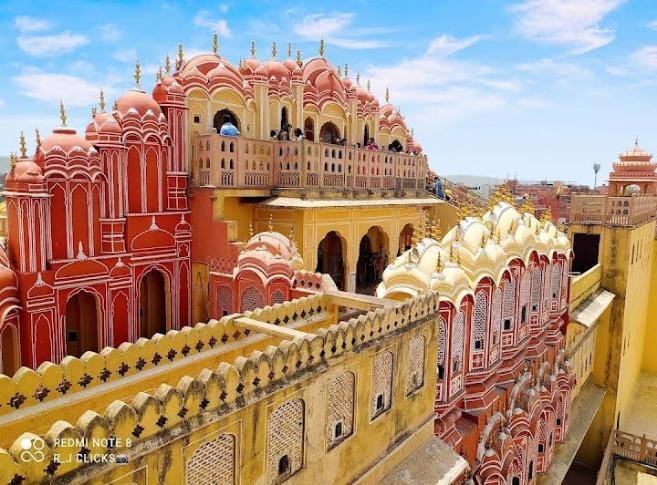
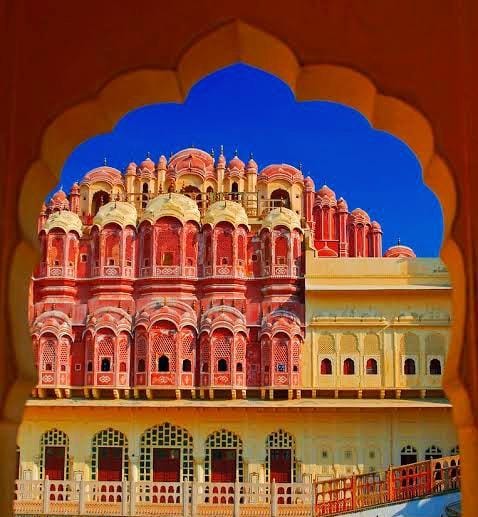
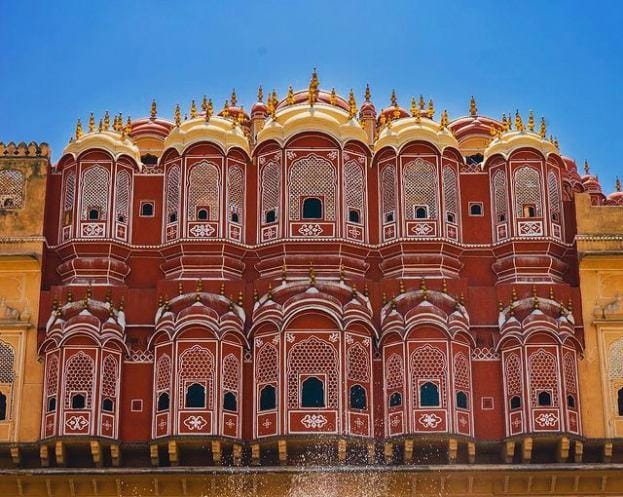
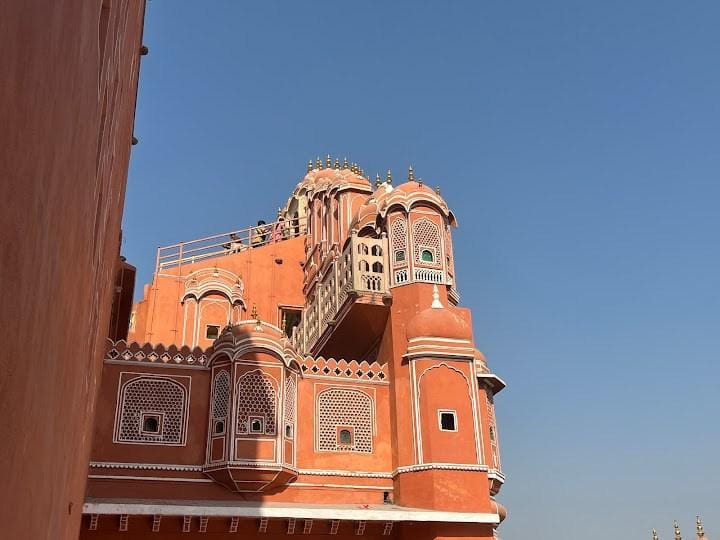
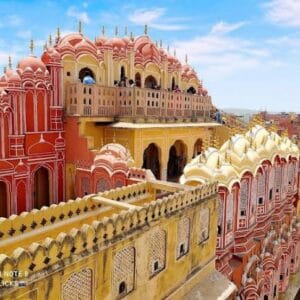
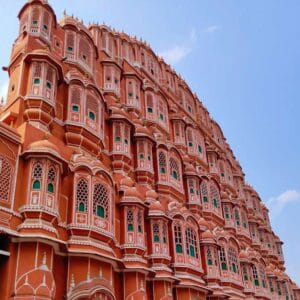
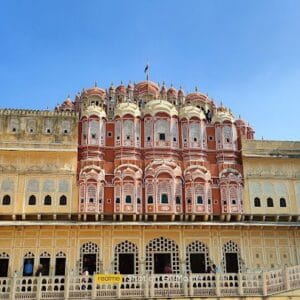
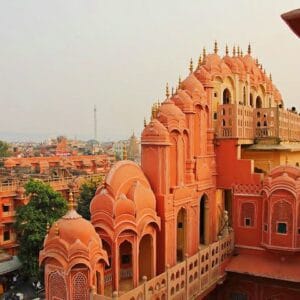
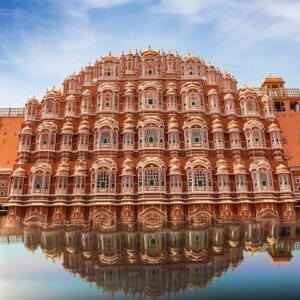
    • The Hawa Mahal is a five-story structure, shaped like a crown or a honeycomb, resembling the crown of Lord Krishna, as Maharaja Sawai Pratap Singh was a devout Krishna devotee.
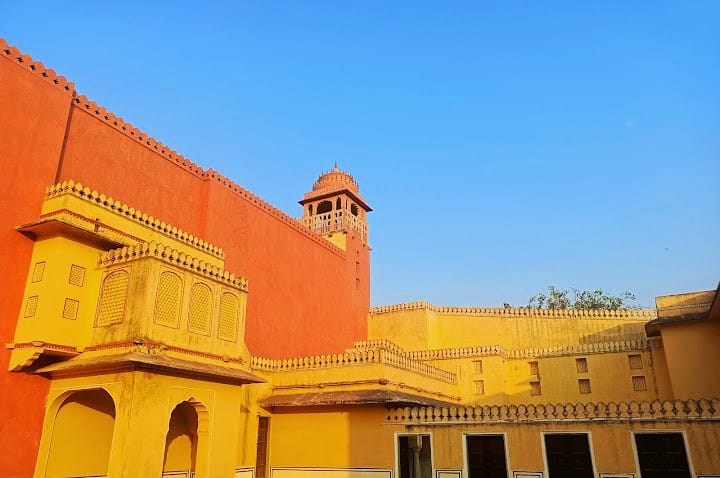
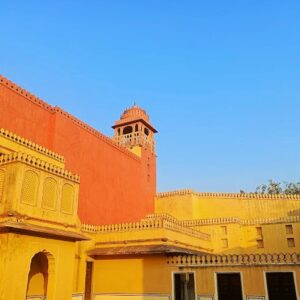
    • It is constructed using red and pink sandstone, which gives it a distinctive appearance and aligns with Jaipur’s title as the “Pink City.”
  2. Windows and Ventilation:
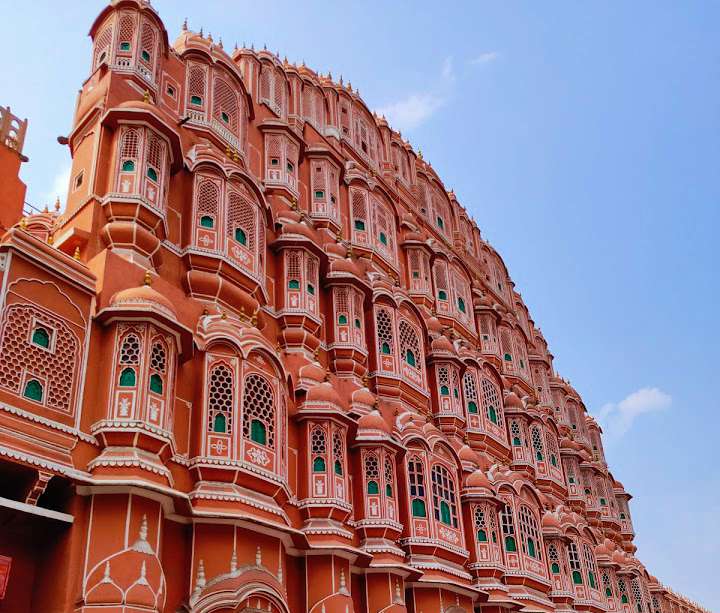
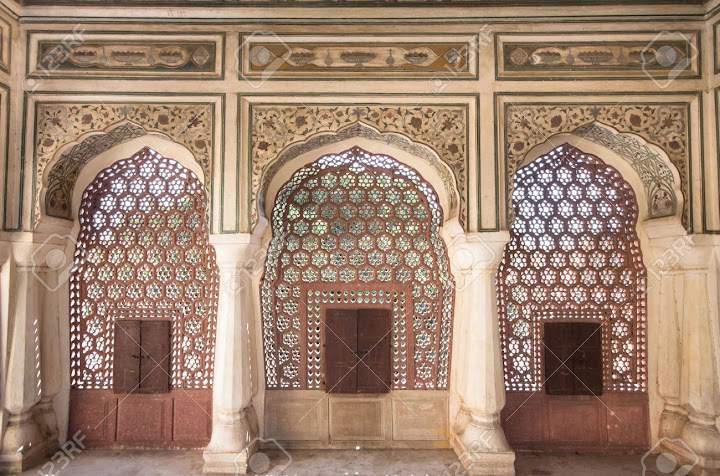
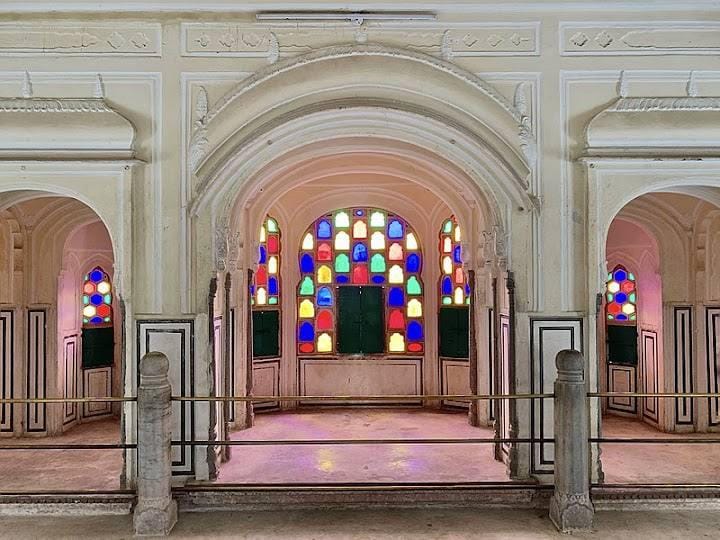
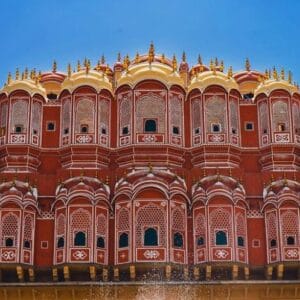
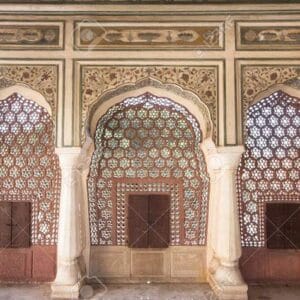
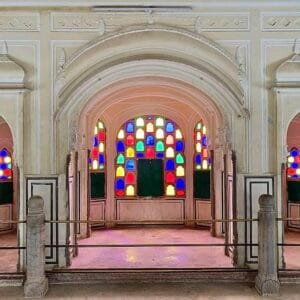
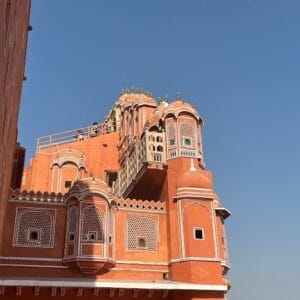
    • The most striking feature of the Hawa Mahal is its 953 small windows, or jharokhas, adorned with intricate latticework.
    • These windows were designed to allow cool air to circulate through the palace, keeping it comfortable during the hot summers of Rajasthan. This natural air conditioning system is how the palace got its name, “Palace of Winds.”
  3. Facade and Aesthetics:
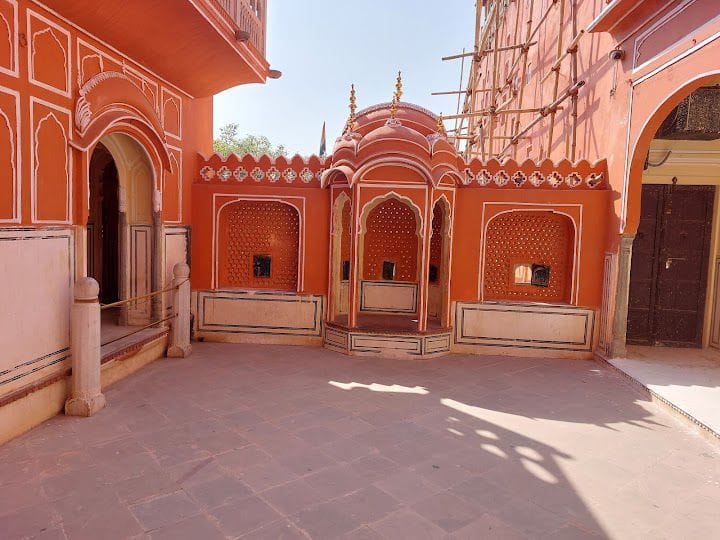
    • The facade of the Hawa Mahal is ornately decorated with motifs, floral patterns, and delicate carvings, showcasing the craftsmanship of the artisans.
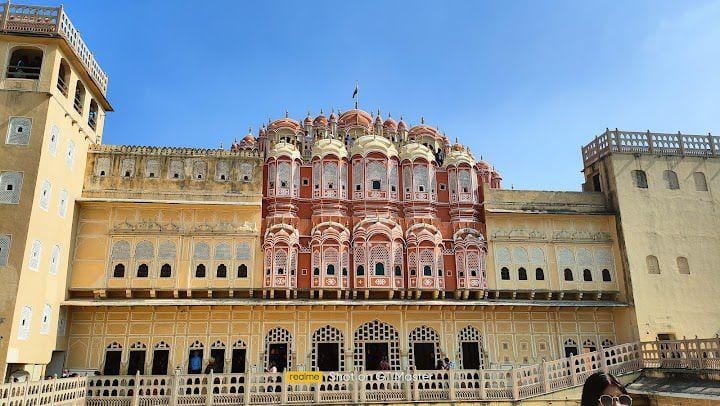
    • The structure is pyramid-shaped, with the top three stories narrowing down to a single room width.
  4. Interior Design:
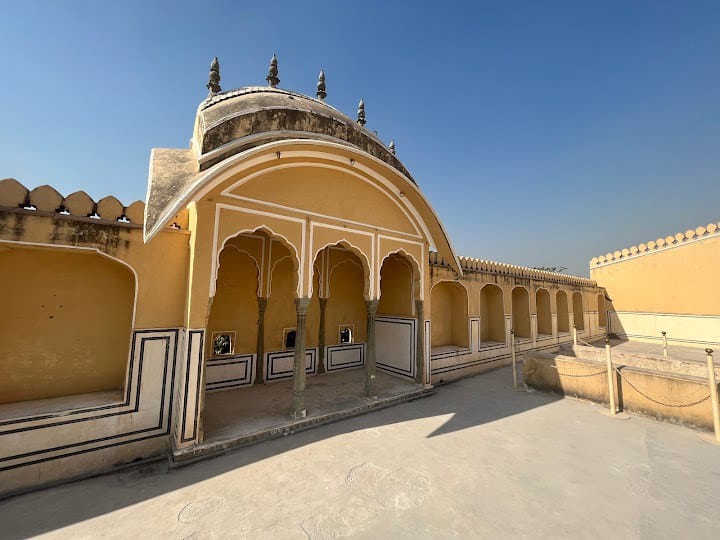
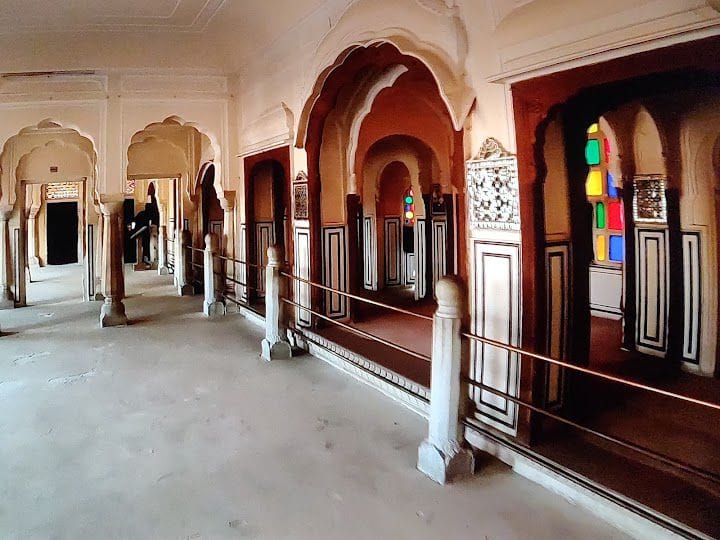
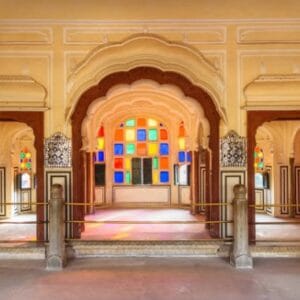
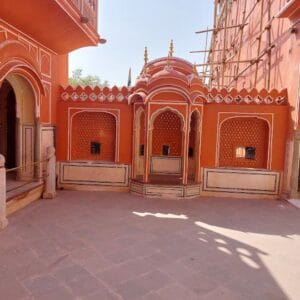
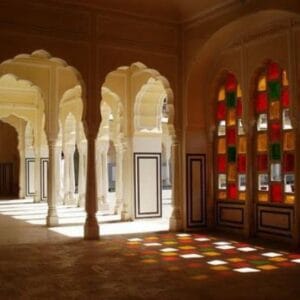
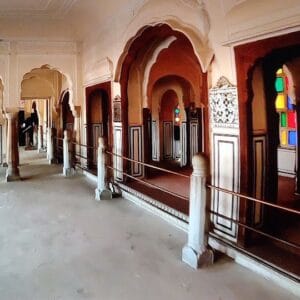
    • Unlike its elaborate exterior, the interior of the Hawa Mahal is relatively simple.
    • The palace lacks a grand entrance; instead, it is accessed through a rear door that leads to the City Palace complex.
    • The rooms are designed to provide privacy and comfort for the royal women.

Cultural and Historical Significance

  1. Symbol of Royalty:
    • The Hawa Mahal is a symbol of the opulence and sophistication of the Rajput rulers.
    • It reflects the blend of Rajput and Mughal architectural styles, showcasing the cultural synthesis of the time.
  2. Tourist Attraction:
    • Today, the Hawa Mahal is one of Jaipur’s most visited tourist attractions, drawing visitors from around the world.
    • Its unique design and historical significance make it a must-see landmark for anyone visiting Rajasthan.
  3. Photographic Icon:
    • The Hawa Mahal’s facade is one of the most photographed structures in India, often featured in travel magazines and cultural documentaries.

Preservation and Legacy

  1. Restoration Efforts:
    • Over the years, the Hawa Mahal has undergone several restoration projects to preserve its structural integrity and artistic beauty.
    • The Rajasthan government and the Archaeological Survey of India (ASI) have taken steps to maintain the monument and protect it from environmental damage.
  2. Cultural Events:
    • The Hawa Mahal is often used as a backdrop for cultural events, festivals, and light shows that celebrate Jaipur’s rich heritage.

Interesting Facts About Hawa Mahal

  • The Hawa Mahal has no foundation, and its unique curved shape ensures its stability.
  • The palace is only one room deep in many places, making it more of a facade than a traditional palace.
  • It is one of the tallest buildings in the world without a foundation.

Conclusion

The Hawa Mahal is more than just a palace; it is a testament to the ingenuity, artistry, and cultural richness of Rajasthan. Its unique design, historical significance, and enduring beauty make it a jewel in Jaipur’s crown. A visit to the Hawa Mahal offers a glimpse into the lives of the royal women of the past and the architectural brilliance of the Rajput era. It remains a timeless symbol of Jaipur’s royal heritage and a must-visit destination for history and architecture enthusiasts.

Opening time
  • Opening Hours: 9:00 AM – 5:00 PM (Daily)
Best time to visitEarly Morning for beautiful sunrise views, Late Afternoon or Evenings for a peaceful experience.
Best day to visit
  • Best Days: Weekdays (Monday to Friday) – Less crowded and peaceful for exploration.
  • Avoid: Weekends (especially Saturdays & Sundays) – Weekends tend to be busier, as more people have time off.
Best month/season to visit
  • Winter Months (October – March)– Ideal season for comfortable sightseeing.
National Emergency Number( sos )112
Place helping / contact no.Tourism Department of Rajasthan :

  • Contact No.: +91-141-2822800
  • Contact No.: +91-141-5110593
Significancethe Hawa Mahal is significant not just for its beauty but also for what it represents: Rajput artistry, cultural traditions, historical legacy, and architectural ingenuity. It’s a vital part of Jaipur’s identity and a must-see for anyone visiting the city.
Type of PlaceTourist attraction , historical monument & Palace , architectural landmark , Cultural Landmark , Rajput and Mughal-style design & Heritage Site
Built ByThe Hawa Mahal was built by Maharaja Sawai Pratap Singh in 1799. He was the grandson of the founder of Jaipur, Maharaja Sawai Jai Singh II.
Year of Construction1799
Public washroomAvailable nearby
Canteen / RestaurantThere are many food stalls nearby
Parkingnearby
Busiest day
  • Weekends (Saturday & Sunday) – Most crowded due to local and tourist visits.
  • Public Holidays & Festivals – Expect high footfall during Diwali, Holi, and tourist seasons (December–January).
  • Peak Hours: 11:00 AM – 3:00 PM (Avoid midday rush for a better experience).
Local language
  • Rajasthani – Widely spoken in the region.
  • Hindi – Commonly spoken and understood.
  • English – Used in tourist areas, hotels, and guides.
Nearby accommodationAvailable
Spread over areaHawa Mahal is part of the City Palace complex in Jaipur. While the exact total area isn’t specified, the five-story structure stands 15 meters (50 feet) high and extends across a narrow but tall façade with 953 windows (jharokhas) designed for ventilation and privacy.

Hawa Mahal Ticket Fee Details (2024)

CategoryTicket Price (₹)
Indian Visitors₹50
Indian Students₹10
Foreign Visitors₹200
Foreign Students₹25
Composite Ticket (Hawa Mahal + Other Monuments)₹300 (Indians), ₹1000 (Foreigners)
  • Note: The composite ticket includes entry to Hawa Mahal, Jantar Mantar, Albert Hall Museum, Nahargarh Fort, and Amer Fort (valid for 2 days).
  1. Explore the Architectural Beauty

    • Admire the intricate latticework and honeycomb design with 953 jharokhas (small windows).
    • Experience the cool breeze effect, created by the palace’s unique ventilation system.
  2. Enjoy a Stunning Panoramic View

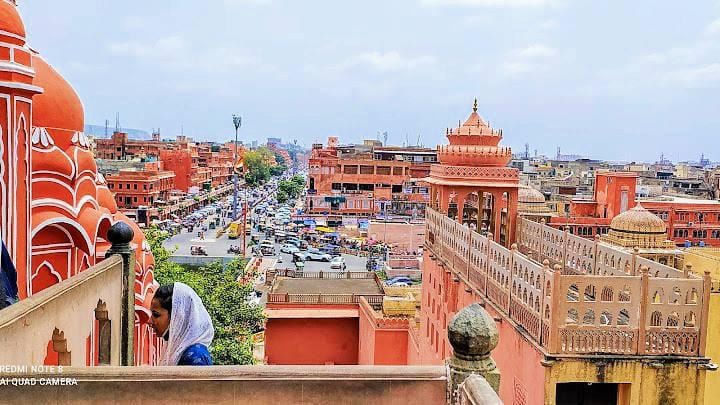
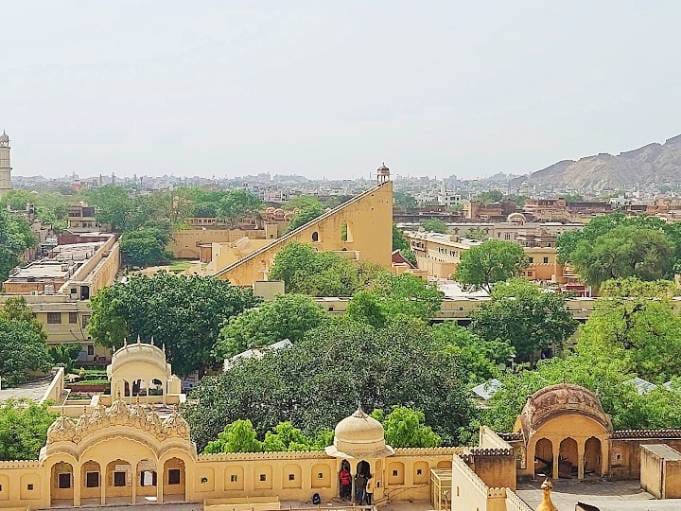
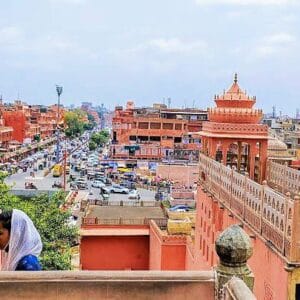
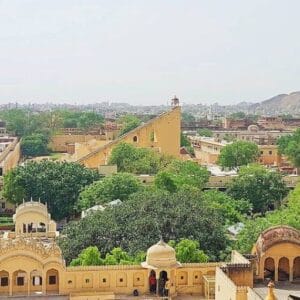
    • Climb to the top floors for breathtaking views of Jaipur, including Jantar Mantar, City Palace, and Sireh Deori Bazaar.
  3. Visit the Hawa Mahal Museum

    • Discover artifacts, paintings, weapons, and relics from Jaipur’s royal history.
    • Learn about the Rajput and Mughal architectural influences in its design.
  4. Photography & Sunrise Views

    • Capture majestic sunrise shots when the palace glows in golden hues.
    • The best Instagram-worthy angles are from outside the palace or rooftop cafés nearby.
  5. Shop at Local Bazaars

    • Explore Johari Bazaar, Tripolia Bazaar, and Bapu Bazaar, famous for Rajasthani jewelry, textiles, and handicrafts.
  6. Enjoy a Rooftop Café Experience

    • Relax at nearby cafés like Wind View Café for the best view of Hawa Mahal with tea or coffee.
  7. Witness the Light & Sound Show at Amber Fort (Nearby)

If visiting in the evening, consider heading to Amber Fort for an enchanting light and sound show.

Travel Tips

  1. Best Time to Visit

    • Visit early morning (9:00 AM – 11:00 AM) for fewer crowds and stunning sunrise views.
    • Winter months (October – March) offer the best weather for exploration.
  2. Entry & Tickets

    • Buy tickets at the gate or opt for a composite ticket (₹300 for Indians, ₹1000 for foreigners) covering multiple Jaipur attractions.
    • Students should carry valid ID cards for discounts.
  3. Dress Comfortably

    • Wear light cotton clothes in summer and warm layers in winter.
    • Comfortable footwear is essential as you’ll need to climb narrow staircases.
  4. Photography Tips

    • The best photo spots are from the front view of Hawa Mahal (across the road) or from rooftop cafés like Wind View Café.
    • Early morning is ideal for golden lighting and fewer people in the frame.
  5. Avoid Peak Hours

    • 11:00 AM – 3:00 PM is the most crowded period.
    • Weekdays are less busy compared to weekends and public holidays.
  6. Shopping & Local Markets

    • Visit Johari Bazaar, Tripolia Bazaar, and Bapu Bazaar for Rajasthani handicrafts, textiles, and jewelry.
    • Bargaining is common, so negotiate for the best prices.
  7. Food & Refreshments

    • No food is allowed inside Hawa Mahal.
    • Enjoy authentic Rajasthani cuisine at nearby rooftop cafés with stunning palace views.
  8. Local Transport & Accessibility

    • Auto-rickshaws, taxis, and e-rickshaws are best for reaching Hawa Mahal from anywhere in Jaipur.
    • Jaipur Metro’s Chandpole Station is the nearest metro stop (around 2.5 km away).

How to Reach

Hawa Mahal is located in Badi Choupad, Pink City, Jaipur, Rajasthan, and is easily accessible by various transportation modes.

1. By Air

  • Nearest Airport: Jaipur International Airport (JAI) (Approx. 13 km away)
  • From the airport, take a cab, auto-rickshaw, or Jaipur Metro to reach Hawa Mahal.

2. By Train

  • Nearest Railway Station: Jaipur Junction (5 km away)
  • From the station, take a taxi, auto-rickshaw, or Jaipur Metro to Chandpole Station, then a short rickshaw ride to Hawa Mahal.

3. By Metro

  • Nearest Metro Station: Chandpole Metro Station (2.5 km away)
  • Take an e-rickshaw or auto-rickshaw from the metro station to Hawa Mahal.

4. By Road (Bus & Taxi)

  • Local Buses: Rajasthan Roadways and private buses operate to and from major parts of Jaipur.
  • Taxis & Auto-Rickshaws: Available across the city; Uber, Ola, and Rapido also operate.

Tip: The best way to explore Jaipur’s historic sites, including Hawa Mahal, is by hiring an auto-rickshaw or taxi for a day tour.

Reviews

There are no reviews yet.

Be the first to review “Hawa Mahal (Palace of Winds) , Jaipur”

Your email address will not be published. Required fields are marked