
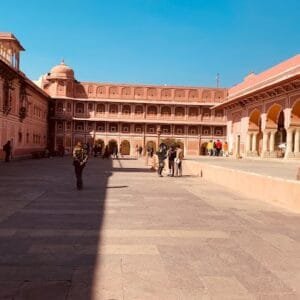
The City Palace , Jaipur

72 people are viewing this place right now

Address - Gangori Bazaar, J.D.A. Market, Pink City, Jaipur, Rajasthan 302002

🕒open - 9:30 am

🕙Closed - 10:00 pm

🔖Entry Ticket Required

🔖Entry Ticket Required

Summary

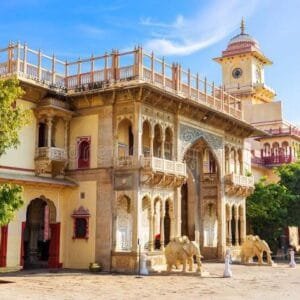
The City Palace, Jaipur, built in 1727 by Maharaja Sawai Jai Singh II, is a grand complex blending Rajput, Mughal, and European architecture. It houses Chandra Mahal, Mubarak Mahal, and museums showcasing royal artifacts. Once the royal residence, it remains a symbol of Jaipur’s rich heritage and regal history.

Location

  • Gangori Bazaar, J.D.A. Market, Pink City, Jaipur, Rajasthan 302002

⬇️Tap on “View larger map” to get Direction

Full Story

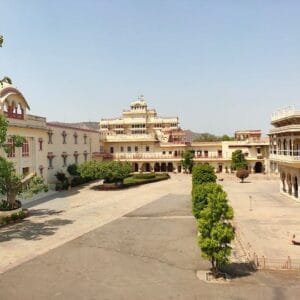
The City Palace in Jaipur is a magnificent architectural marvel and a living testament to the grandeur of the Rajput era. Located in the heart of the Pink City, this sprawling palace complex is a blend of Mughal and Rajasthani architectural styles, reflecting the rich cultural heritage of Jaipur. Let’s explore the fascinating history, design, and significance of the City Palace.


1. Historical Background

  • Foundation: The City Palace was built between 1729 and 1732 by Maharaja Sawai Jai Singh II, the founder of Jaipur. It served as the administrative and ceremonial headquarters of the Maharajas of Jaipur.
  • Architectural Vision: The palace was designed by Vidyadhar Bhattacharya, a Bengali architect, who combined Mughal, Rajput, and European architectural styles to create a unique and harmonious structure.
  • Royal Residence: The palace remained the residence of the Jaipur royal family until India’s independence in 1947. Even today, a part of the palace is privately occupied by the descendants of the royal family.

2. Architectural Brilliance

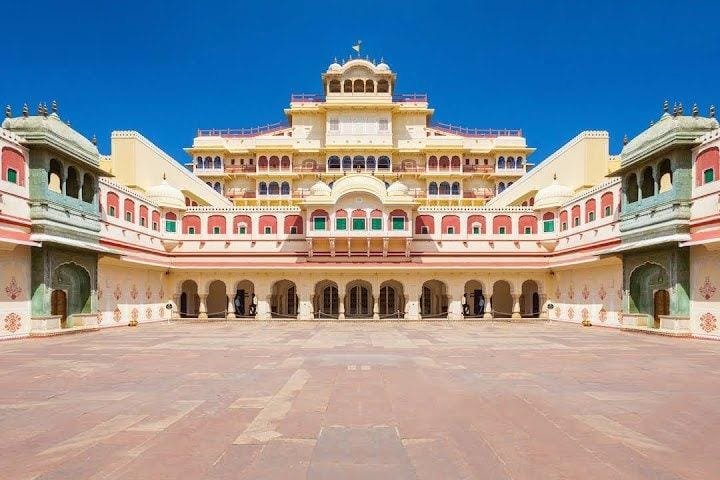
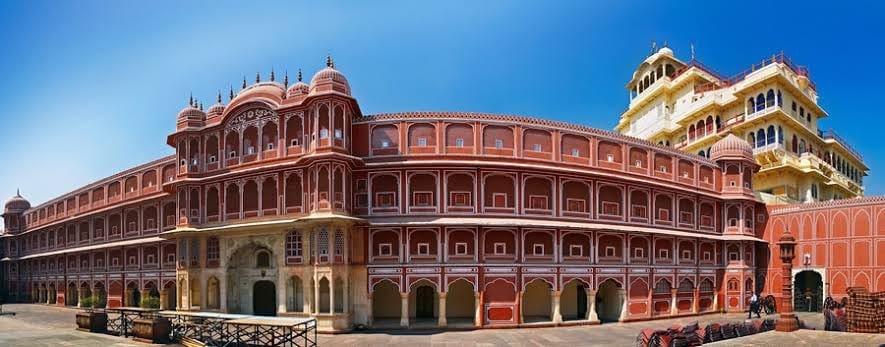
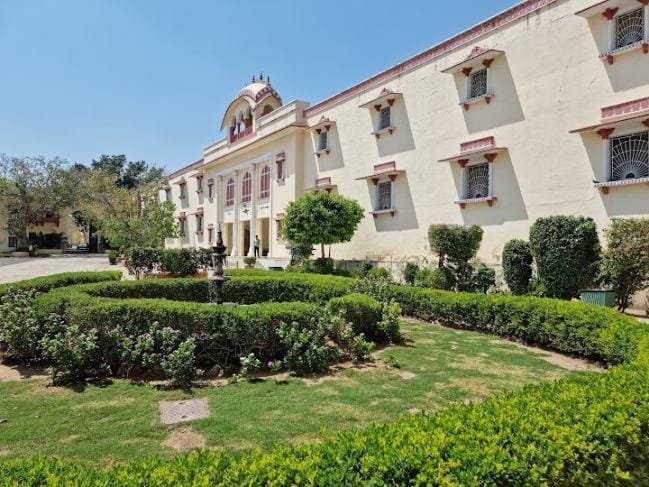
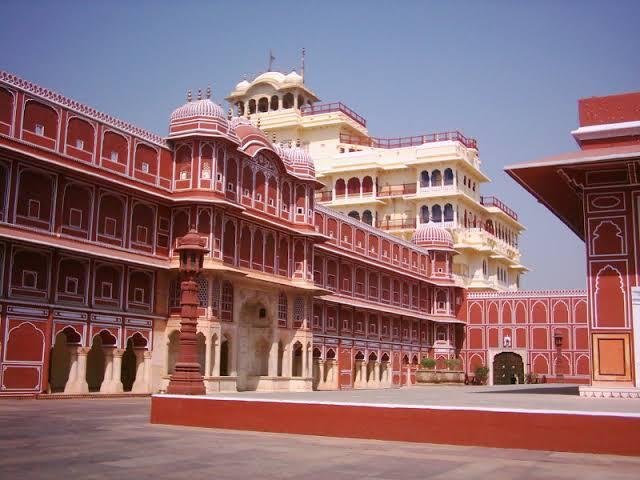
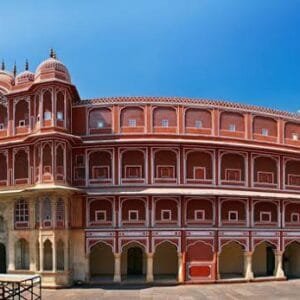
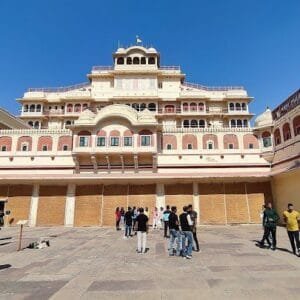
The City Palace is a stunning example of Indo-Saracenic architecture, characterized by its intricate designs, grand courtyards, and exquisite craftsmanship. Key architectural features include:

A. Main Gates

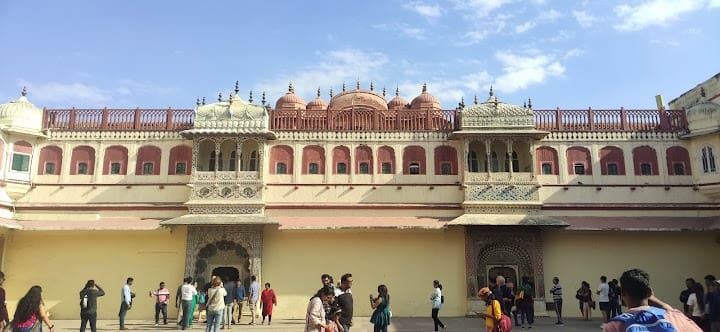
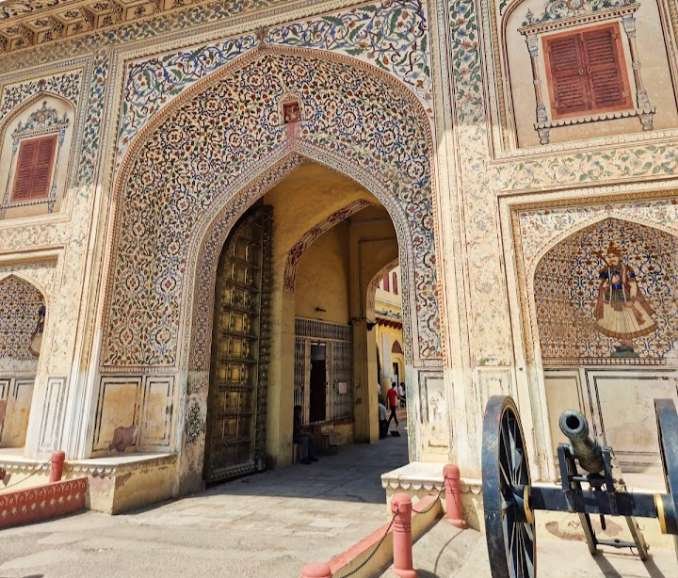
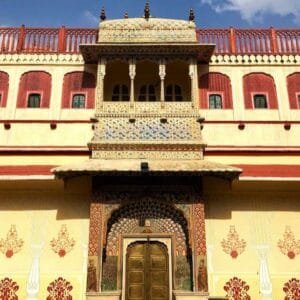
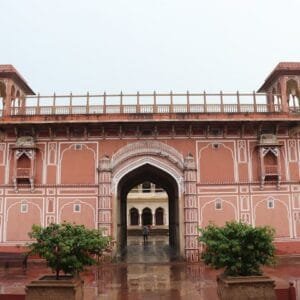
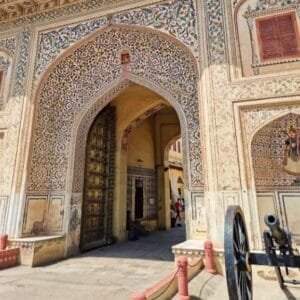
  • Udai Pol and Tripolia Gate: The palace is accessed through two main gates, Udai Pol and Tripolia Gate. The Tripolia Gate is reserved for the royal family and is adorned with intricate carvings and designs.

B. Courtyards

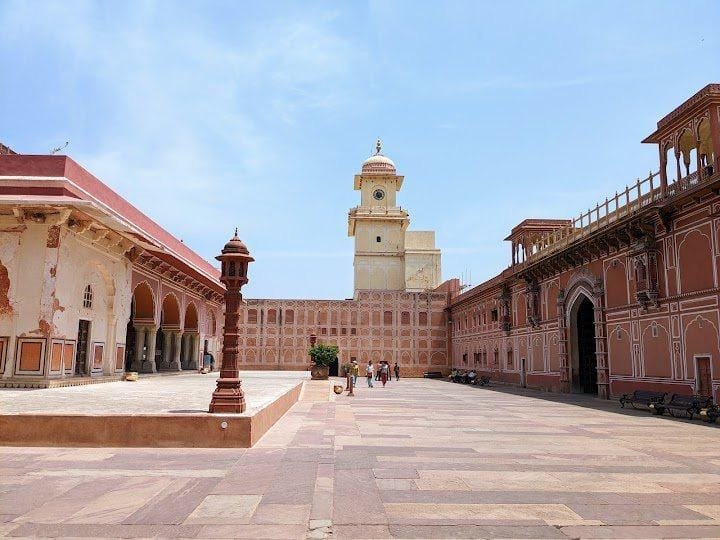
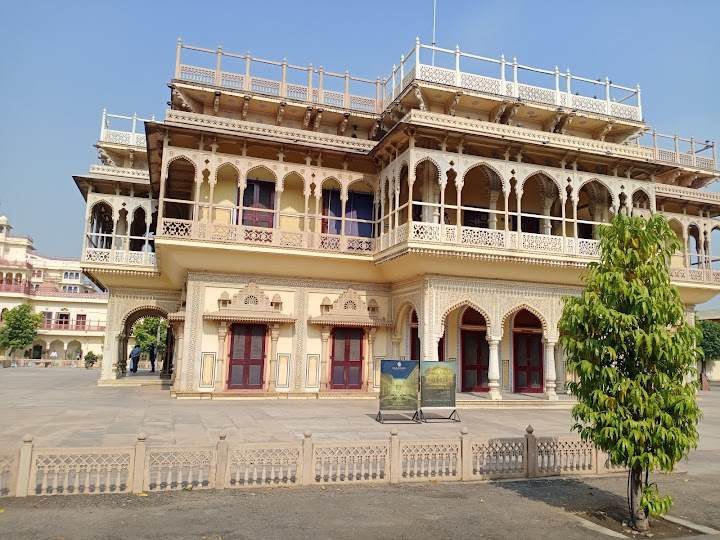
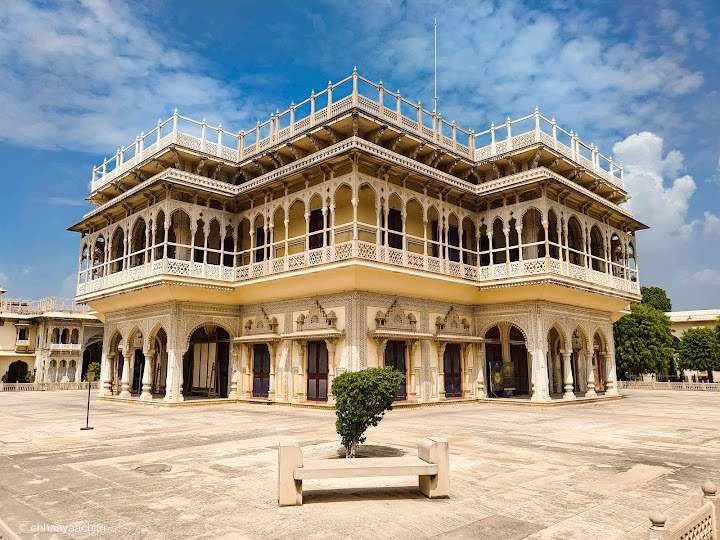
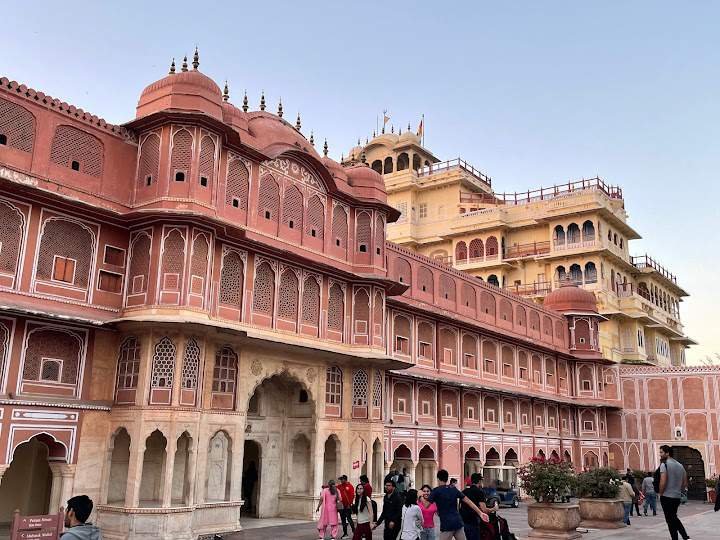
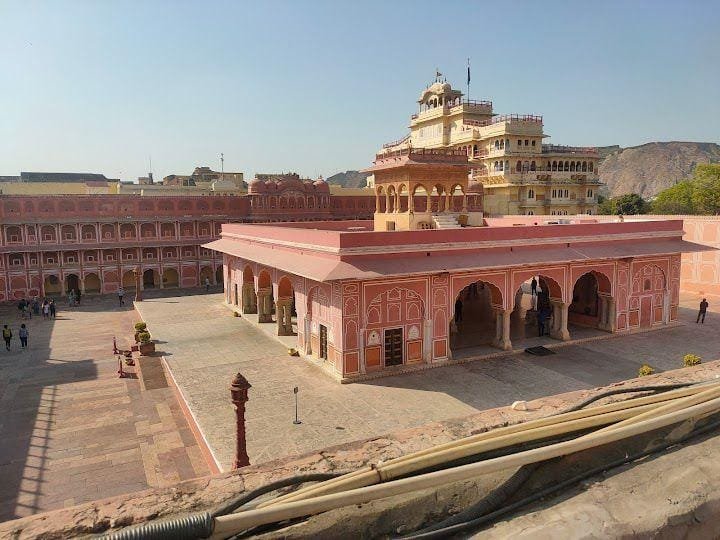
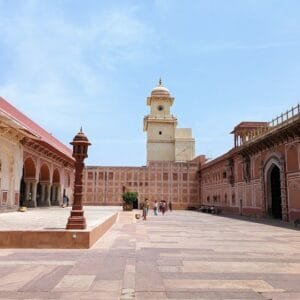
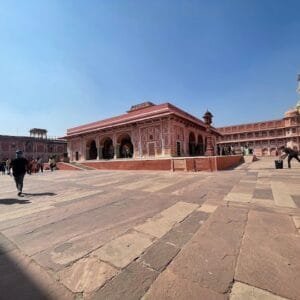
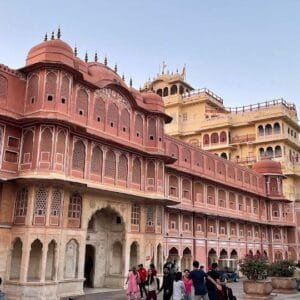
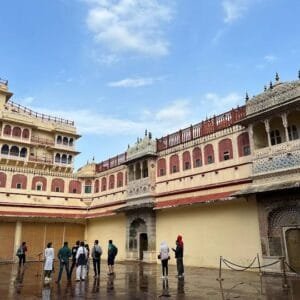
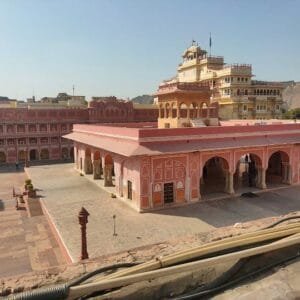
  • Mubarak Mahal Courtyard: The first courtyard houses the Mubarak Mahal, a reception hall built by Maharaja Madho Singh II. It now serves as a museum showcasing royal costumes, textiles, and artifacts.
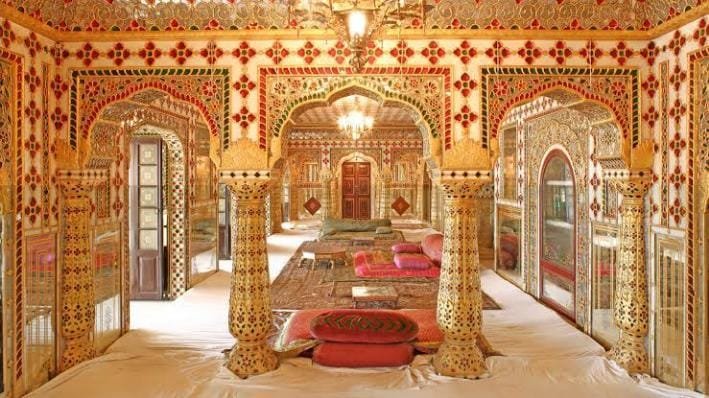
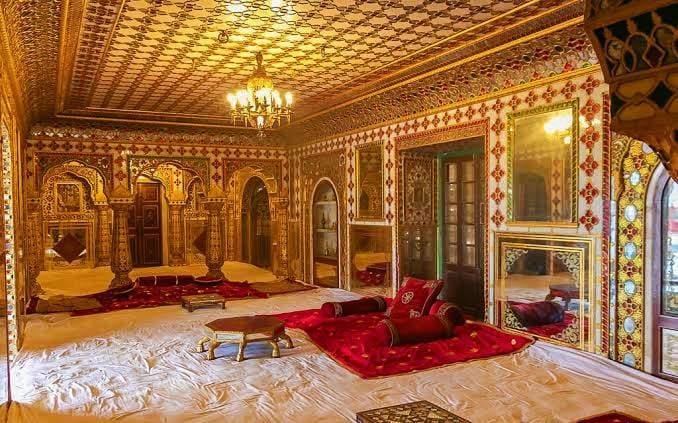
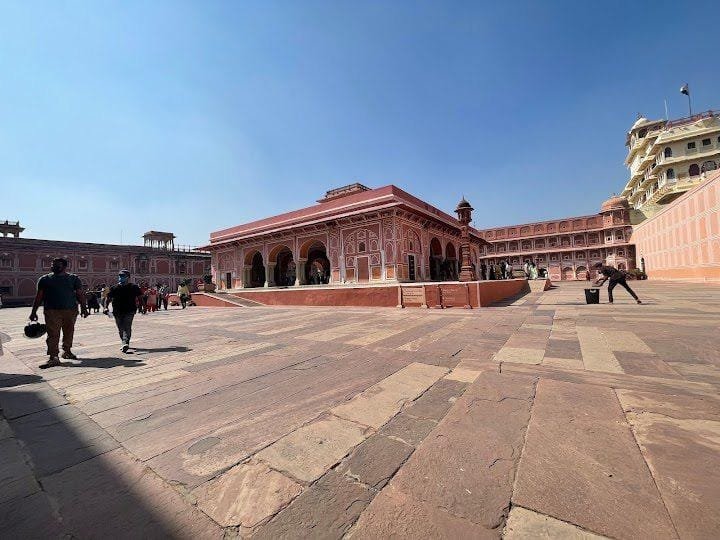
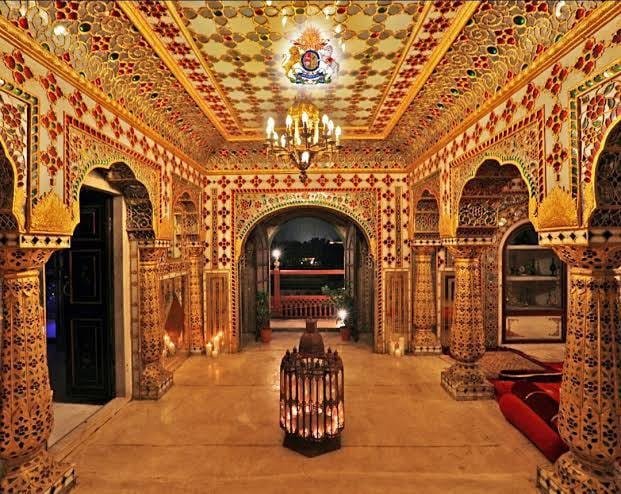
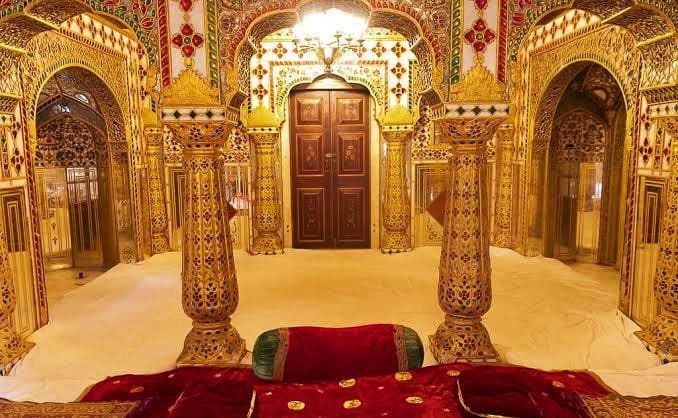
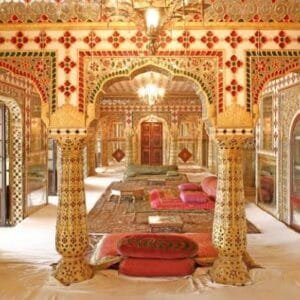
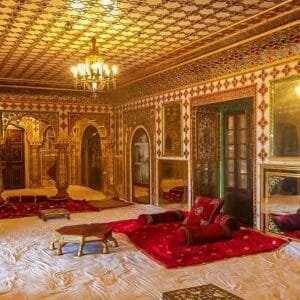
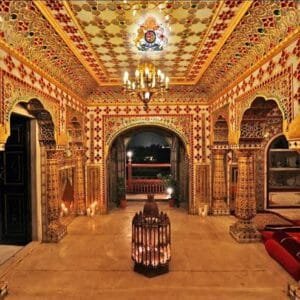
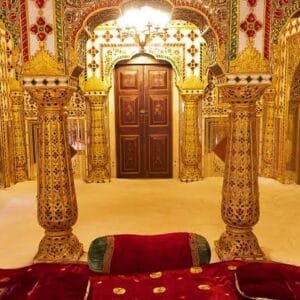
  • Diwan-i-Khas Courtyard: This courtyard features the Diwan-i-Khas (Hall of Private Audience), where the Maharaja held private meetings. The hall is adorned with intricate marble flooring and stunning chandeliers.

C. Chandra Mahal

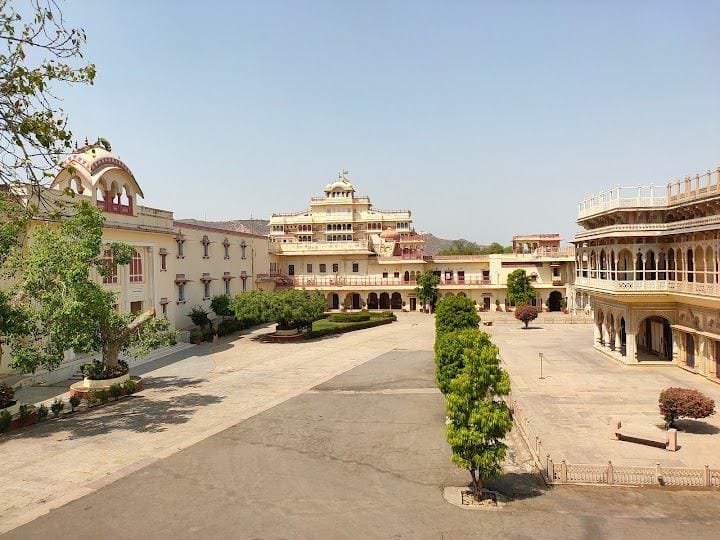
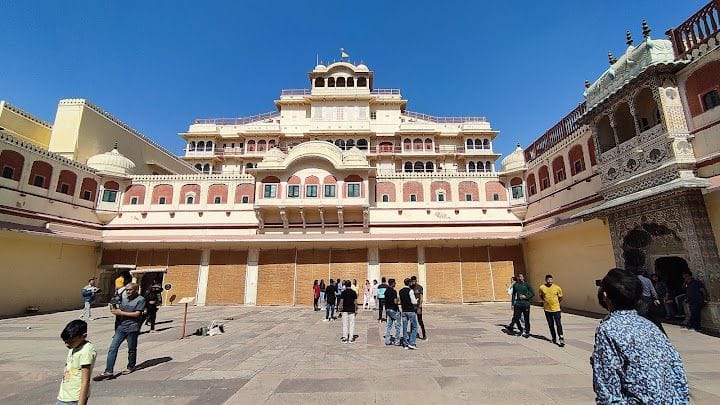
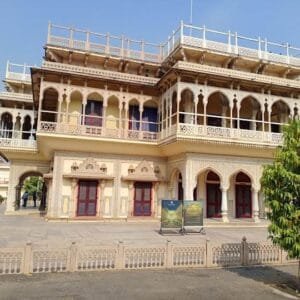
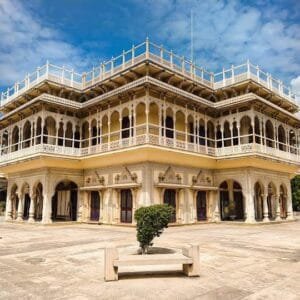
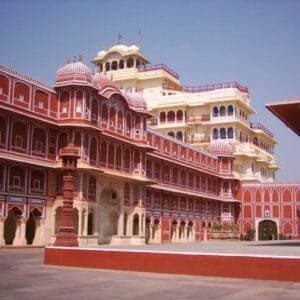
  • Royal Residence: The Chandra Mahal is a seven-story structure that serves as the private residence of the royal family. Each floor has a unique name and purpose, such as the Sukh Niwas (Hall of Rest) and Shobha Niwas (Hall of Beauty).
  • Museum: The ground floor of Chandra Mahal is open to the public and houses a museum displaying royal artifacts, including paintings, manuscripts, and weapons.

D. Diwan-i-Aam

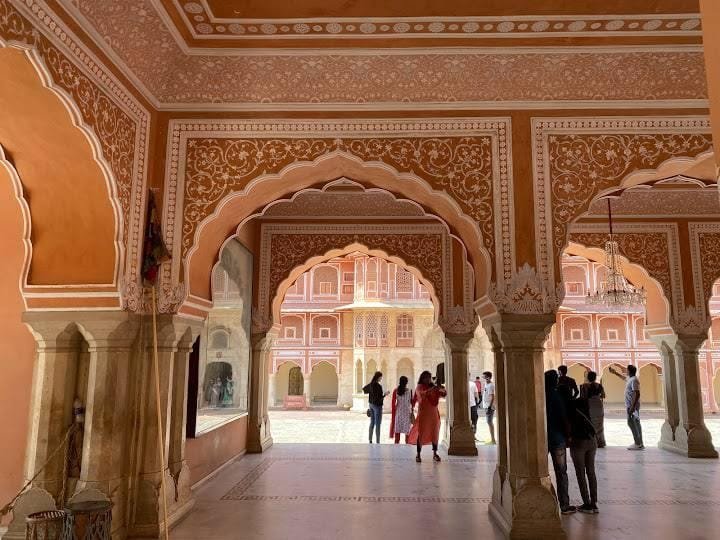
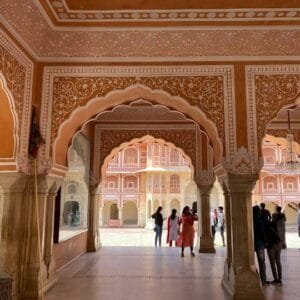
  • Hall of Public Audience: The Diwan-i-Aam is a grand hall where the Maharaja addressed the public and held court. It features ornate arches, pillars, and a stunning collection of Mughal and Rajput art.

E. Other Notable Structures

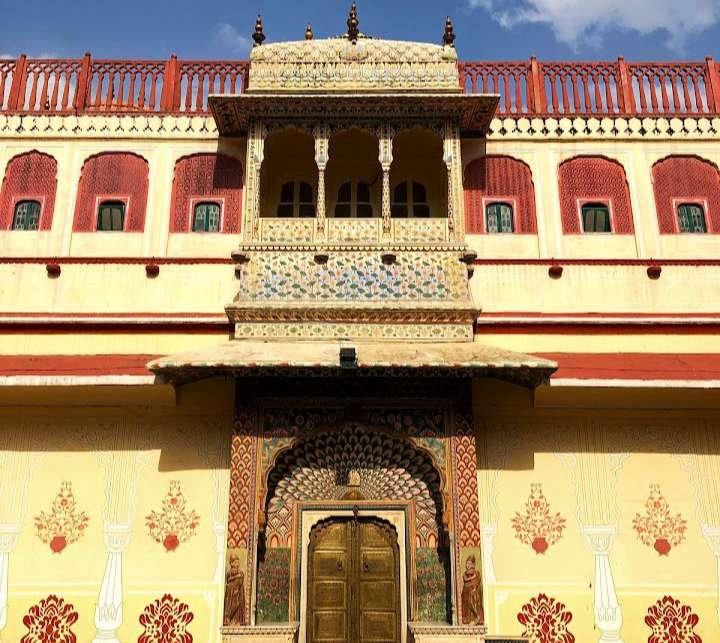
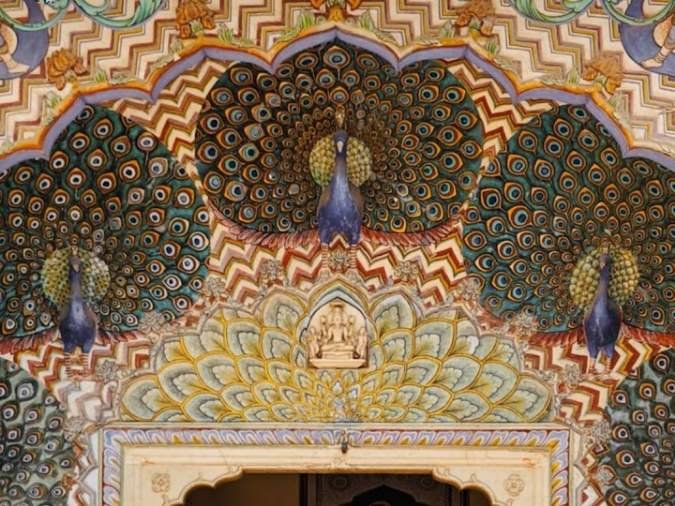
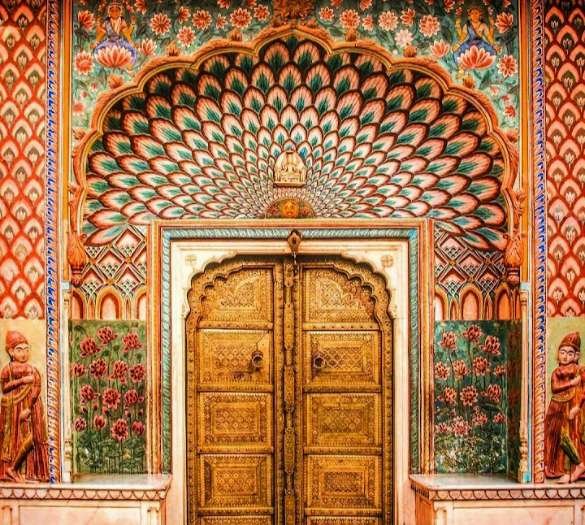
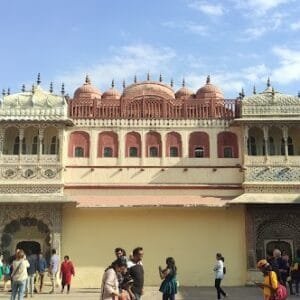
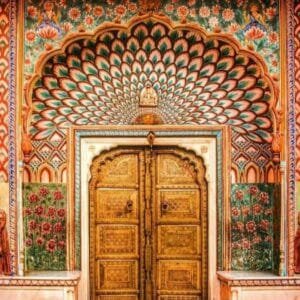
  • Pitam Niwas Chowk: A courtyard with four beautifully decorated gates, each representing a different season and Hindu deity.
  • Govind Dev Ji Temple: A temple dedicated to Lord Krishna, located within the palace complex, is a significant religious site for the royal family and devotees.

3. Historical Significance

  • Royal Legacy: The City Palace is a symbol of the rich legacy of the Kachwaha Rajput dynasty, which ruled Jaipur for centuries.
  • Cultural Hub: The palace has been a center of art, culture, and politics, hosting numerous royal ceremonies, festivals, and events.
  • Architectural Influence: The blend of Mughal, Rajput, and European styles in the palace’s design reflects the cultural synthesis of the era.

4. Cultural and Religious Importance

  • Festivals and Celebrations: The palace is a focal point for major festivals like DiwaliHoli, and Gangaur, which are celebrated with great pomp and splendor.
  • Tourist Attraction: The City Palace is one of Jaipur’s most popular tourist destinations, attracting visitors from around the world.

5. Preservation and Restoration

  • Maintenance: The palace is well-preserved, with ongoing efforts by the royal family and the Government of Rajasthan to maintain its structural integrity and historical significance.
  • Museum and Exhibits: The palace houses several museums and galleries that showcase the rich history and culture of Jaipur, including royal costumes, weapons, and artifacts.

6. Why Visit the City Palace?

  • Architectural Marvel: The palace’s stunning design and intricate details make it a must-visit for architecture enthusiasts.
  • Historical Insight: A visit to the City Palace offers a deeper understanding of the Rajput era and its cultural and political significance.
  • Cultural Experience: The palace’s museums, galleries, and festivals provide a rich cultural experience for visitors.

7. Visiting the City Palace

  • Location: The City Palace is located in the heart of Jaipur, near other major landmarks like the Hawa Mahal and Jantar Mantar.
  • Timings: The palace is open to visitors from 9:30 AM to 5:00 PM, but it’s advisable to check the current timings before visiting.
  • Entry Fee: There is an entry fee for visitors, with additional charges for access to certain areas and museums within the palace complex.

Conclusion: A Living Legacy of Rajput Grandeur

The City Palace in Jaipur is more than just a historical monument; it is a living testament to the grandeur, culture, and legacy of the Rajput era. Its stunning architecture, rich history, and cultural significance make it a must-visit destination for anyone exploring Jaipur. Whether you’re a history enthusiast, an architecture lover, or a cultural explorer, the City Palace promises an enriching and unforgettable experience. Step into this majestic palace and immerse yourself in the timeless beauty of Rajput heritage.

Opening time
  • Visiting Hours: 9:30 AM – 5:00 PM (Day Visit)
  • Night Visit: 7:00 PM – 10:00 PM
Best time to visitEarly Morning , Late Afternoon or Evenings for a peaceful experience.
Best day to visit
  • Best Days: Weekdays (Monday to Friday) – Less crowded and peaceful for exploration.
  • Avoid: Weekends (especially Saturdays & Sundays) – Weekends tend to be busier, as more people have time off.
Best month/season to visit
  • Winter Months (October – March)– Ideal season for comfortable sightseeing.
National Emergency Number( sos )112
Place helping / contact no.Tourism Department of Rajasthan :

  • Contact No.: +91-141-2822800
  • Contact No.: +91-141-5110593

Inquiries regarding The City Palace :

  • Contact No.: +91-141-4088888
Significance

The City Palace is significant not just as a beautiful architectural complex but as a symbol of Jaipur’s royal history, cultural heritage, and artistic traditions. It’s a vital part of the city’s identity and a must-see for anyone interested in exploring Rajasthan’s rich past.

Type of PlaceTourist attraction , historical monument & Palace , architectural landmark , Cultural Landmark , Museum , palace complex & Heritage Site
Built ByThe City Palace in Jaipur is a large complex of buildings built by Maharaja Sawai Jai Singh II in the 18th century. It’s a mix of Rajput, Mughal, and European architectural styles and served as the home of Jaipur’s rulers. While not a UNESCO site itself, it’s a key part of Jaipur’s royal heritage and a major tourist attraction.
Year of Constructionbegan between 1729 and 1732
Public washroomAvailable nearby
Canteen / RestaurantThere are many food stalls nearby
Parkingnearby
Busiest day
  • Weekends (Saturday & Sunday) – Highest number of tourists and local visitors.
  • Public Holidays & Festivals – Especially during Diwali, Holi, and Jaipur Literature Festival.
  • Peak Tourist Season (October – March) – Winter months attract the most visitors.
Local language
  • Rajasthani – Widely spoken in the region.
  • Hindi – Commonly spoken and understood.
  • English – Used in tourist areas, hotels, and guides.
Nearby accommodationAvailable
Spread over areaThe City Palace complex covers an area of approximately 173 acres, occupying nearly one-seventh of Jaipur’s old city. It includes grand courtyards, gardens, temples, and historic buildings like Chandra Mahal, Mubarak Mahal, Diwan-i-Khas, and Diwan-i-Aam.

Entry Ticket Rates

Ticket TypeIndian Visitors (₹)Foreign Visitors (₹)
Museum (All Palace Courts and Galleries)Adult: 300
Child (5-12 years)/Student with valid ID: 150
Senior Citizens/Defence Personnel: 150
Adult: 700
Child (5-12 years)/Student with valid ID: 400
Disabled Visitors: 430
Composite Ticket (Museum + Jaigarh Fort & Royal Cenotaphs)Adult: 400
Child/Student: 250
Senior Citizens/Defence Personnel: 250
Adult: 1,250
Child/Student: 650
Disabled Visitors: 650
Museum at Night (Palace Courts, Selected Galleries, Sculpture Lumière Show)Adult: 500
Child/Student: 250
Senior Citizens/Defence Personnel: 250
Adult: 1,000
Child/Student: 500
Disabled Visitors: 500
Sculpture Lumière Show (Sound and Light Show Only)Adult: 250
Child/Student: 150
Senior Citizens/Defence Personnel: 150
Adult: 500
Child/Student: 250
Disabled Visitors: 250
Royal Grandeur (Guided Tour with Refreshments)Adult: 1,500
Child/Student: 1,000
Adult: 2,000
Child/Student: 1,500
Royal Splendor (Exclusive Tour of Sri Niwas, Chavi Niwas, Shobha Niwas, Pritam Niwas & Sarvato Roof with Guide & Refreshments)Adult: 3,000
Child/Student: 1,500
Adult: 4,000
Child/Student: 2,000

Notes:

  • Children below 5 years enjoy free entry.
  • Valid ID is required for students, senior citizens, defence personnel, and disabled visitors to avail discounts.
  • The Composite Ticket offers access to multiple attractions and is valid for two days.

For the most current information and online bookings, please visit the official website: citypalacejaipur.in

Things to Do at City Palace, Jaipur

    1. Explore Chandra Mahal – Admire the royal residence, intricate architecture, and stunning city views from the upper floors.
    2. Visit Mubarak Mahal Museum – See an exquisite collection of royal costumes, textiles, and artifacts.
    3. Experience Diwan-i-Khas & Diwan-i-Aam – Marvel at the grand halls that once hosted royal meetings and public gatherings.
    4. See the World’s Largest Silver Urns – Located in the Diwan-i-Khas, these urns were used by Maharaja Madho Singh II to carry holy Ganges water to England.
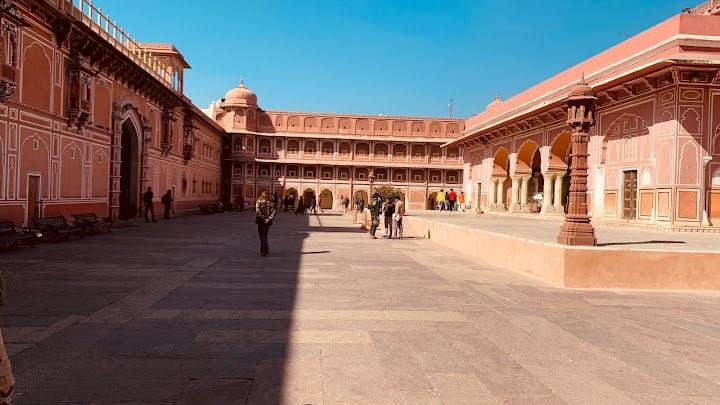
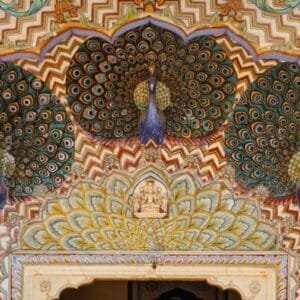
    5. Stroll Through the Palace Courtyards – Discover beautifully designed courtyards, including the famous Peacock Gate.
    6. Attend the Light & Sound Show – Learn about Jaipur’s history through a mesmerizing evening show.
    7. Enjoy Fine Dining at Baradari Restaurant – Relish Rajasthani cuisine in a heritage setting inside the palace complex.
    8. Visit the Armory Museum – Explore an extensive collection of royal weapons, including swords and daggers.
    9. Shop for Handicrafts & Souvenirs – Buy traditional Rajasthani jewelry, paintings, and textiles from palace shops.
    10. Take a Royal Tour – Opt for a guided tour or night visit to experience the palace’s regal charm.

Travel Tips

  1. Best Time to Visit – Visit between October and March for pleasant weather. Arrive early in the morning to avoid crowds.
  2. Ticket Booking – Book tickets online in advance to skip long queues. Consider a composite ticket for access to multiple attractions.
  3. Dress Comfortably – Wear light cotton clothes, comfortable shoes, and a hat in summer. Carry a shawl or jacket in winter.
  4. Guided Tours – Opt for a guided tour to learn in-depth about the history and architecture of the palace.
  5. Photography Rules – Photography is allowed in most areas, but some sections may have restrictions. Check before clicking pictures.
  6. Stay Hydrated – Carry a water bottle, especially during hot months. Drinking water is available inside.
  7. Dining Options – Try Baradari Restaurant inside the palace for a royal dining experience.
  8. Beware of Scams – Avoid unofficial guides and touts outside the palace. Always book authorized tours.
  9. Nearby Attractions – Plan visits to Jantar Mantar, Hawa Mahal, and Nahargarh Fort, all located close to the palace.
  10. Local Transport – Use auto-rickshaws, taxis, or app-based cabs (Ola/Uber) for easy transportation.

How to Reach

By Air

  • Nearest Airport: Jaipur International Airport (JAI) (Approx. 12 km away)
  • Travel Time: 25–30 minutes by taxi
  • Transport Options: Prepaid taxis, Ola/Uber, or private cabs

By Train

  • Nearest Railway Station: Jaipur Junction (Approx. 5 km away)
  • Travel Time: 15–20 minutes by auto-rickshaw or taxi
  • Transport Options: Auto-rickshaws, Ola/Uber, cycle rickshaws

By Road

  • From Delhi: Approx. 270 km, 5–6 hours by car
  • From Agra: Approx. 240 km, 4–5 hours by car
  • From Udaipur: Approx. 400 km, 7–8 hours by car
  • Bus Services: Rajasthan State Road Transport Corporation (RSRTC) buses and private Volvo buses operate from major cities

Local Transport in Jaipur

  • Auto-Rickshaws & Cycle Rickshaws: Easily available for short distances
  • App-Based Cabs: Ola and Uber operate across Jaipur
  • Jaipur City Buses: Low-cost option, but may be crowded
  • Walking: City Palace is located in the Pink City area, close to Hawa Mahal and Jantar Mantar, making it ideal for exploring on foot

Reviews

There are no reviews yet.

Be the first to review “The City Palace , Jaipur”

Your email address will not be published. Required fields are marked