
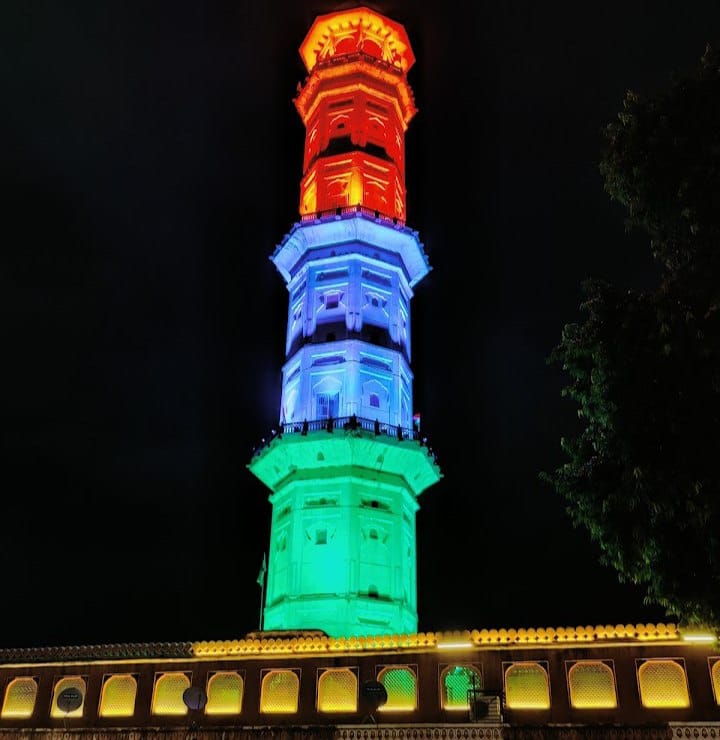
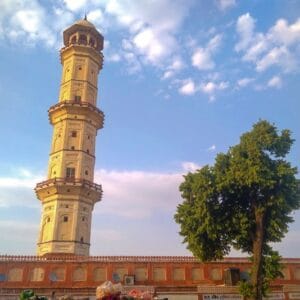
Isarlat Sargasooli (Sargasuli Tower) , Jaipur

58 people are viewing this place right now

Address - Aatish Market, Gangori Bazaar, J.D.A. Market, Kanwar Nagar, Jaipur, Rajasthan 302002

🕒open - 9:00 am

🕙Closed - 4:30 pm

🔖Entry Ticket Required

🔖Entry Ticket Required

Summary

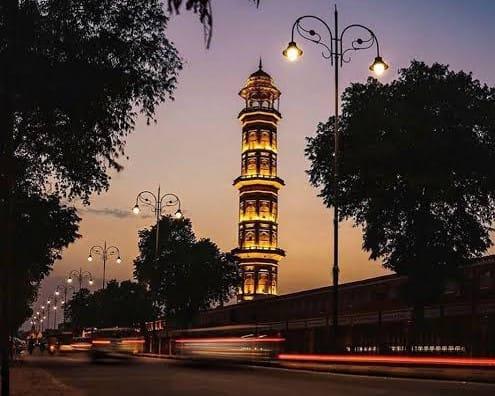
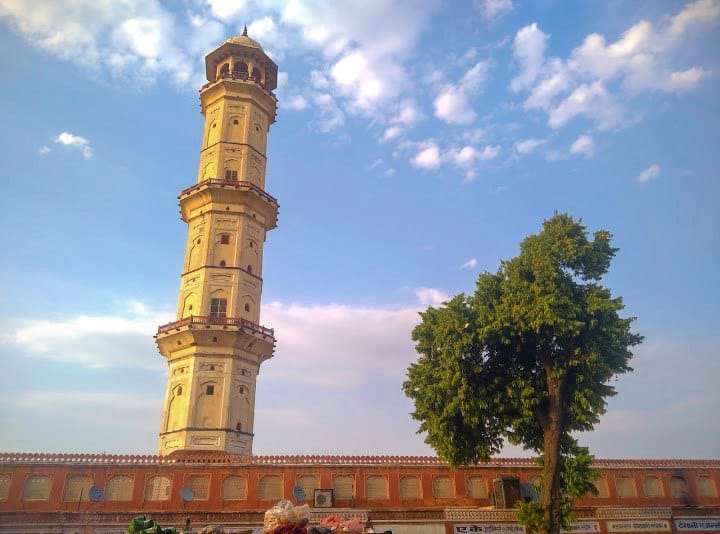
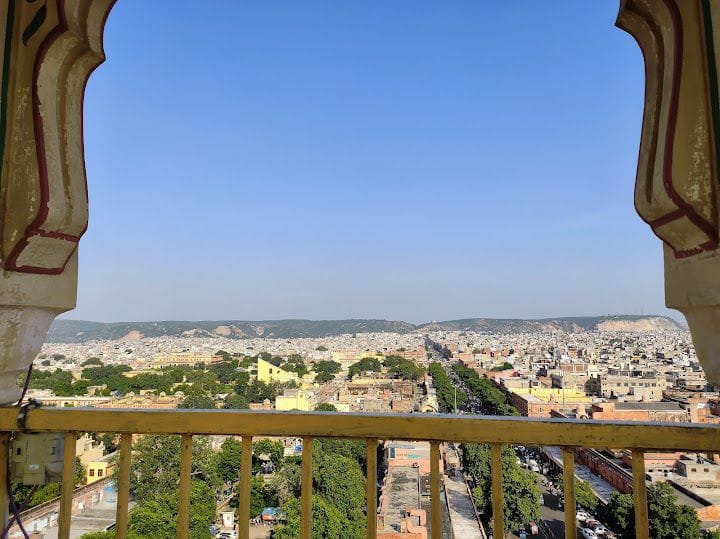
Isarlat Sargasooli, also known as the Victory Tower, was built in 1749 by Maharaja Ishwari Singh in Jaipur to celebrate his victory over rivals. This seven-story structure, inspired by the Qutub Minar, offers panoramic city views and reflects a blend of Rajput and Mughal architectural styles.

Location

  • Aatish Market, Gangori Bazaar, J.D.A. Market, Kanwar Nagar, Jaipur, Rajasthan 302002

⬇️Tap on “View larger map” to get Direction

Full Story

The Isarlat Sargasooli, also known as Swarg Suli or Swarga Suli, is one of Jaipur’s lesser-known but historically significant landmarks. Located near the Tripolia Gate in the old city, this towering structure is often referred to as the “Heaven-Piercing Minaret.” It is believed to have been built as a victory tower or commemorative monument during the reign of the Kachwaha rulers of Jaipur. Here’s a detailed exploration of its history, architecture, and significance:


Historical Background

  1. Construction and Founding:
    • The Isarlat Sargasooli was constructed in the 18th century during the reign of Maharaja Sawai Ishwari Singh (1743–1750), a ruler of the Kachwaha dynasty.
    • It was built to commemorate a significant military victory, although the exact event it commemorates remains a subject of debate among historians.
  2. Purpose and Significance:
    • The tower is believed to have served as a victory monument, celebrating the triumph of the Kachwaha rulers over their adversaries.
    • Some historians suggest that it was built to commemorate the victory over the Marathas or other regional powers during the 18th century.
    • The name “Swarg Suli” (Heaven-Piercing Minaret) reflects its towering height and symbolic significance as a connection between earth and heaven.
  3. Cultural Context:
    • The construction of such towers was a common practice among Rajput rulers to mark significant achievements, particularly military victories.
    • The Isarlat Sargasooli stands as a testament to the valor and pride of the Kachwaha dynasty.

Architectural Marvel

The Isarlat Sargasooli is a striking example of Rajput architecture, characterized by its towering height and intricate design.

  1. Design and Structure:
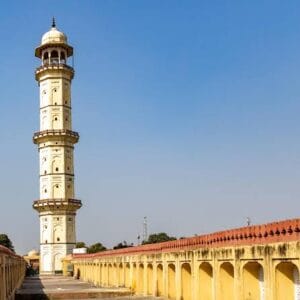
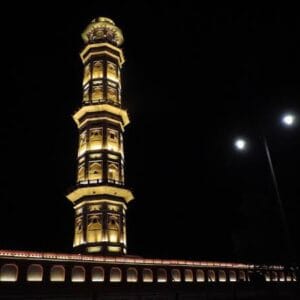
    • The tower is a seven-story structure, standing at an impressive height, which gives it the appearance of “piercing the heavens.”
    • It is built using red sandstone, a hallmark of Jaipur’s architecture, and features carved balconies and decorative motifs.
  2. Decorative Elements:
    • The tower is adorned with intricate carvings and geometric patterns, reflecting the craftsmanship of the artisans of the time.
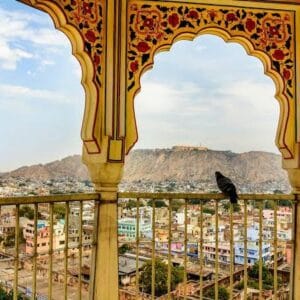
    • Each level of the tower has arched windows and balconies, which not only add to its aesthetic appeal but also provide panoramic views of the surrounding area.
  3. Symbolism:
    • The tower’s height and design symbolize the aspirations and achievements of the Kachwaha rulers, particularly their military prowess and divine favor.

Cultural and Historical Significance

  1. Symbol of Rajput Valor:
    • The Isarlat Sargasooli stands as a symbol of the bravery and strategic acumen of the Kachwaha rulers.
    • It reflects the pride and glory of the Rajput era, particularly during the 18th century.
  2. Tourist Attraction:
    • While not as well-known as other landmarks in Jaipur, the Isarlat Sargasooli is a fascinating site for history enthusiasts and architecture lovers.
    • Its proximity to the Tripolia Gate and other historical sites makes it a convenient stop for tourists exploring the old city.
  3. Architectural Legacy:
    • The tower is a fine example of the architectural ingenuity of the Rajput era, showcasing the use of red sandstone and intricate carvings.
    • It serves as a reminder of Jaipur’s rich cultural and historical heritage.

Interesting Facts About Isarlat Sargasooli

  • The tower is often compared to the Qutub Minar in Delhi due to its towering height and architectural style.
  • The name “Swarg Suli” reflects the belief that the tower connects the earthly realm with the heavens, symbolizing the divine favor enjoyed by the Kachwaha rulers.
  • The tower’s location near the Tripolia Gate places it in a historically significant area of Jaipur, which was once the main entrance to the city.

Conclusion

The Isarlat Sargasooli, or Swarg Suli, is a hidden gem in Jaipur’s historical landscape. Its towering height, intricate design, and historical significance make it a fascinating site for those interested in Rajput history and architecture. While it may not be as widely recognized as other landmarks in Jaipur, it stands as a testament to the valor and achievements of the Kachwaha dynasty. A visit to the Isarlat Sargasooli offers a unique glimpse into Jaipur’s royal past and its enduring legacy of pride and glory.

Opening time
  • Monday to Sunday: 9:00 AM – 4:30 PM
Best time to visitEarly morning for a peaceful experience or evening to enjoy the stunning city views.
Best day to visit
  • Weekdays (Monday to Friday) – prefer a quieter experience.
  • Weekends (especially Saturdays & Sundays) – Weekends tend to be slightly busier.
Best month/season to visit
  • Winter Months (October – March)– Ideal season for comfortable sightseeing.
National Emergency Number( sos )112
Place helping / contact no.Tourism Department of Rajasthan :

  • Contact No.: +91-141-2822800
  • Contact No.: +91-141-5110593

Inquiries regarding Isarlat Sargasooli (Swargasuli Tower) :

  • Contact No.: +91-141-2822863
SignificanceIsarlat Sargasooli is a historical monument that encapsulates a pivotal moment in Jaipur’s royal history and provides a glimpse into the city’s architectural past.
Type of PlaceHistorical Monument , victory tower , Watchtower , architectural landmark & Tourist Attraction.
Built ByIsarlat Sargasooli was built by Maharaja Sawai Ishwari Singh
Year of Construction

1749

Public washroomAvailable nearby
Canteen / RestaurantThere are many food stalls nearby
Parkingnearby
Busiest day
  • Weekends (Saturday & Sunday)
  • Public Holidays & Festivals
  • Peak Tourist Season (October – March) – Winter months attract the most visitors.
Local language
  • Rajasthani – Widely spoken in the region.
  • Hindi – Commonly spoken and understood.
  • English – Used in tourist areas, hotels, and guides.
Nearby accommodationAvailable
Spread over areaIt is a seven-story minaret standing approximately 140 feet (42 meters) tall. While the tower’s height is well-documented, specific details about the total area it occupies are not readily available. However, its octagonal base and slender structure suggest it covers a relatively modest footprint within Jaipur’s urban landscape.

Entry Fee Details for Isarlat Sargasooli (Swargasuli Tower), Jaipur:

  • Indian Nationals: ₹70 per person.

  • Foreign Nationals: ₹200 per person.

  • Children (5-12 years): ₹40 per child.

  • Children below 5 years: Free entry.

Please note: Entry fees are subject to change; it’s advisable to verify the current rates before your visit.

Things to Do at Isarlat Sargasooli, Jaipur

  1. Climb the Victory Tower:

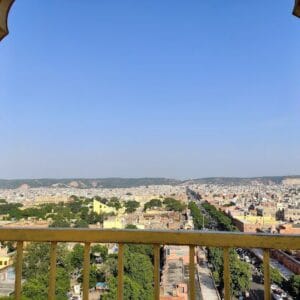
    • Ascend the spiral staircase to the seventh floor for stunning panoramic views of Jaipur’s skyline.
  2. Photography:

    • Capture breathtaking views of iconic landmarks like City Palace, Jantar Mantar, and Hawa Mahal.
  3. Explore Rajput Architecture:

    • Admire the intricate design blending Rajput and Mughal architectural styles.
  4. Learn Historical Significance:

    • Discover the story behind Maharaja Ishwari Singh’s victory and the political history of Jaipur.
  5. Visit Nearby Attractions:

    • Explore City Palace, Jantar Mantar, Hawa Mahal, and Johari Bazaar, all located within walking distance.
  6. Enjoy a Peaceful Visit:

    • Experience the serene ambiance of this heritage site, especially during the early morning or evening hours.

Tip: Wear comfortable shoes for the climb and visit early to avoid crowds and capture the best views!

Travel Tips

  1. Visit During Off-Peak Hours:

    • Arrive early morning or late afternoon to avoid crowds and enjoy cooler weather.
  2. Wear Comfortable Footwear:

    • Be prepared to climb the spiral staircase—comfortable shoes are essential.
  3. Carry Essentials:

    • Bring water, sunglasses, and sunscreen, especially during summer.
  4. Photography Tip:

    • Capture panoramic views of Jaipur from the top—ideal for sunrise and sunset shots.
  5. Respect the Monument:

    • Follow site regulations, avoid littering, and do not touch or damage the heritage structure.
  6. Plan Nearby Visits:

    • Explore City Palace, Jantar Mantar, and Hawa Mahal, all located nearby.
  7. Check Entry Fees & Timings:

    • Ensure you know the current ticket price and timings before visiting.
  8. Local Guidance:

    • Consider hiring a local guide to understand the history and significance of the monument.

Tip: Weekdays are usually less crowded than weekends and public holidays.


How to Reach

  1. By Air:

    • Nearest Airport: Jaipur International Airport (JAI) – 12 km away.
    • Take a taxi or cab to reach the Tripolia Bazaar area where the tower is located.
  2. By Train:

    • Nearest Railway Station: Jaipur Junction – 5 km away.
    • Hire an auto-rickshaw, cab, or local bus to reach the monument.
  3. By Road:

    • Local Transport: Easily accessible via auto-rickshaws, cabs, and local buses.
    • From Jaipur Bus Stand (Sindhi Camp): Around 4 km—take a cab or public bus.
  4. By Private Vehicle:

    • Drive to Tripolia Bazaar, near City Palace and Jantar Mantar.
    • Limited parking nearby—use public transport for easier access.

Tip: The monument is located in Old Jaipur (Pink City), making it convenient to visit along with nearby attractions like Hawa Mahal and City Palace.

Reviews

There are no reviews yet.

Be the first to review “Isarlat Sargasooli (Sargasuli Tower) , Jaipur”

Your email address will not be published. Required fields are marked