


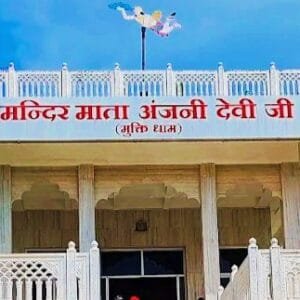
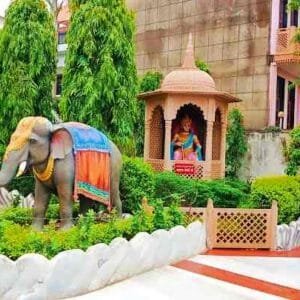
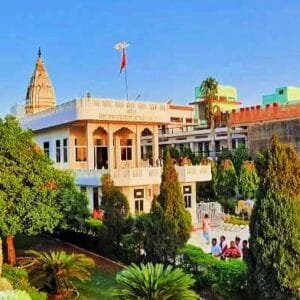
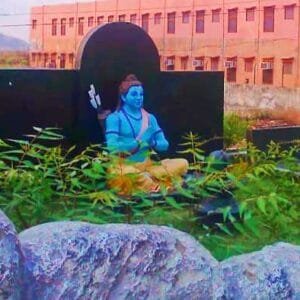

Maa Anjani Temple , Mehandipur

98 people are viewing this place right now

Address - Near Shri Mehandipur Balaji Temple, Village Mehandipur, Tehsil Sikrai, District Dausa, Rajasthan – 321610

🕒open - 5:30 am

🕙Closed - 10:00 pm

🔖No Entry Ticket Required

🔖No Entry Ticket Required

Summary

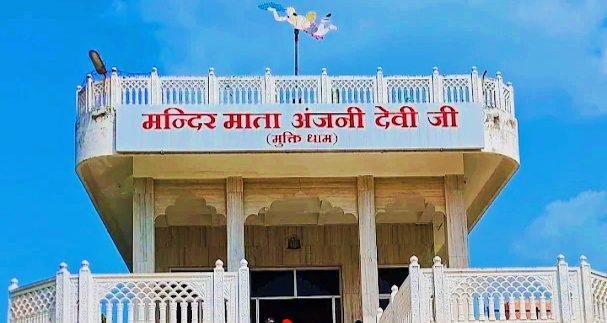
Maa Anjani Temple, located in Mehandipur, Rajasthan, is dedicated to Mata Anjani, mother of Lord Hanuman. Built centuries ago near Shri Mehandipur Balaji Temple, it symbolizes motherly protection and divine strength. Devotees visit for peace, blessings, and miracles, especially during Hanuman Jayanti and Navratri, completing their spiritual journey.

Location

  • Near Shri Mehandipur Balaji Temple, Village Mehandipur, Tehsil Sikrai, District Dausa, Rajasthan – 321610

⬇️Tap on “View larger map” to get Direction

Full Story 

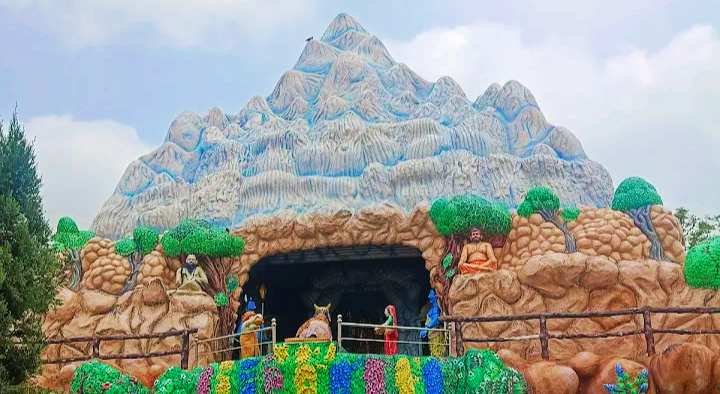
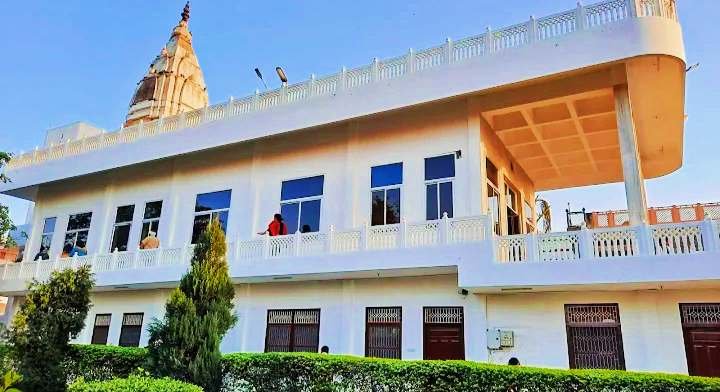
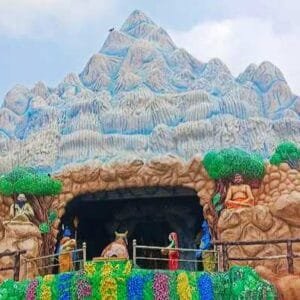
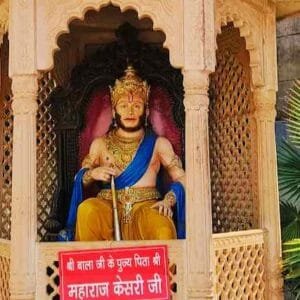
Maa Anjani Temple, situated in Mehandipur, Dausa District of Rajasthan, is one of the most revered temples dedicated to Mata Anjani (Anjana Devi) — the divine mother of Lord Hanuman, the great devotee of Lord Rama. The temple holds immense religious, spiritual, and historical significance, especially among devotees visiting Shri Mehandipur Balaji Temple, which lies close to it.

Here’s a detailed history of Maa Anjani Temple:


1. Who is Maa Anjani?

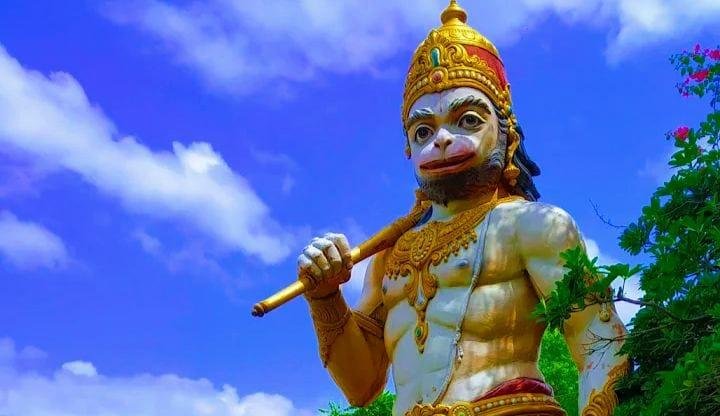
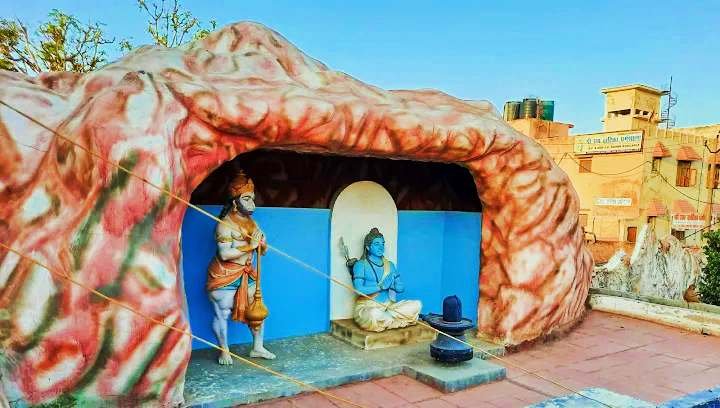
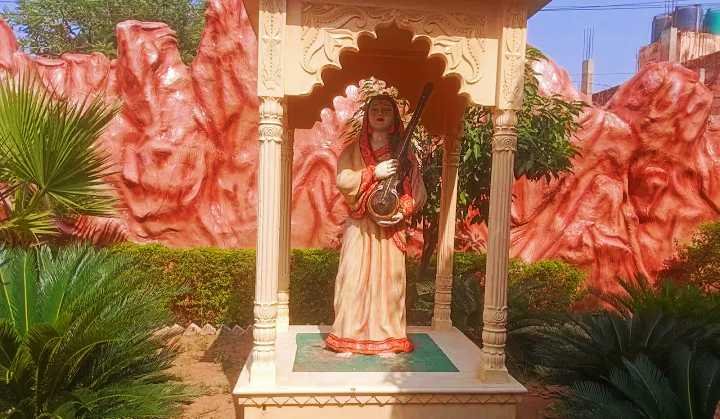
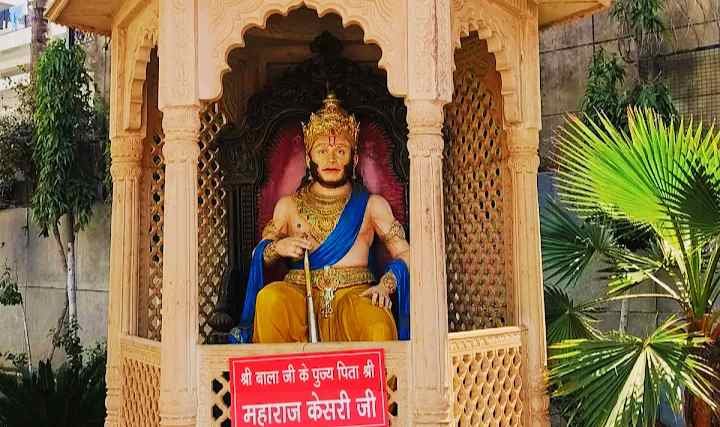
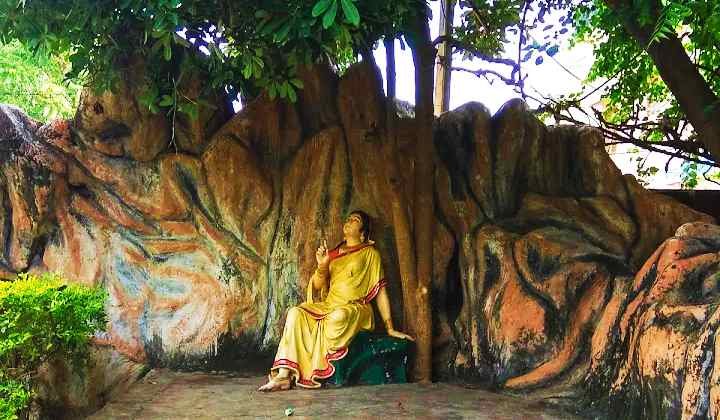
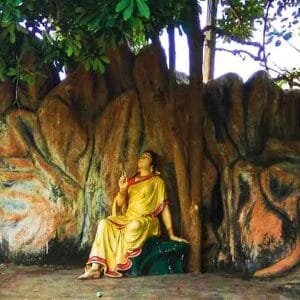
Maa Anjani, also known as Anjana Devi, is described in the Hindu scriptures as a celestial nymph who was born on Earth due to a curse. Through deep penance and devotion to Lord Shiva, she was blessed with a divine son — Hanuman Ji, an incarnation of Lord Shiva himself. Therefore, Maa Anjani is worshipped as the Mother of Strength, Courage, and Purity.


2. Historical Background of the Temple

  • Location: Near the famous Shri Mehandipur Balaji Temple, in Mehandipur village, Tehsil Sikrai, District Dausa, Rajasthan.

  • Established: The temple’s origins are ancient, believed to date back several centuries, though its present structure was renovated and expanded during the 18th–19th century as the Balaji Temple complex grew.

  • Built By: It is said that local saints and devotees of Balaji contributed to its construction, inspired by divine visions and dreams of Maa Anjani herself.

  • Associated Legends: Many devotees and priests believe that Maa Anjani appeared in a devotee’s dream, instructing the establishment of a shrine near her son Hanuman’s abode to bless devotees with motherly grace.


3. Religious and Spiritual Significance

  • Maa Anjani Temple is regarded as the spiritual counterpart to the Balaji Temple — symbolizing motherly protection alongside her son’s divine strength.

  • Devotees visit Maa Anjani’s shrine after seeking blessings from Shri Balaji to complete their pilgrimage.

  • The temple is especially believed to relieve devotees from pain, fear, and negativity, as Maa’s blessings protect from evil energies.

  • Many women devotees visit the temple to pray for their children’s well-being, fertility, and mental peace.


4. Architecture and Structure

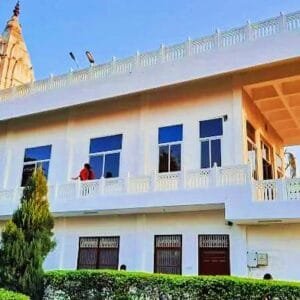
  • The temple is built in traditional Rajasthani style, using red sandstone and marble.

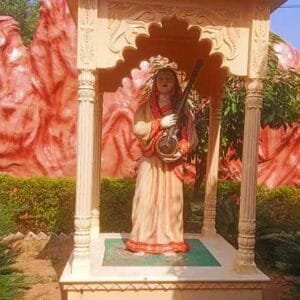
  • The main sanctum houses an idol of Maa Anjani seated in a motherly posture, often depicted holding baby Hanuman in her lap.

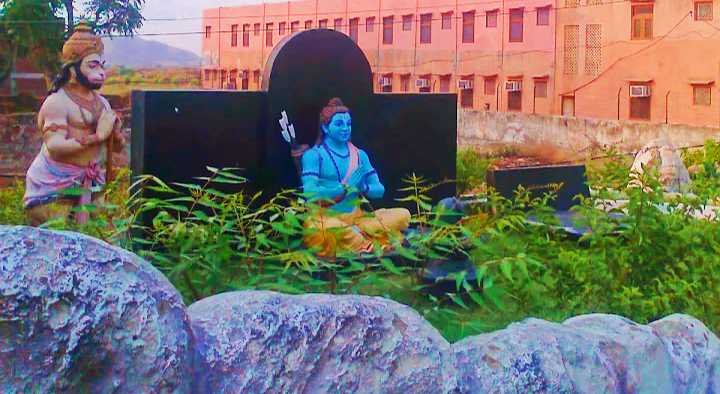
  • The walls of the temple are adorned with ancient paintings and carvings representing episodes from the Ramayana and Hanuman’s childhood.

  • The shikhara (spire) of the temple rises gracefully, visible from a distance, symbolizing maternal divinity.


5. Temple Rituals and Festivals

  • Daily Rituals: Regular aarti, bhog, and kirtan are performed, especially during morning and evening hours.

  • Hanuman Jayanti: Celebrated with grandeur, as it marks the birth of Hanuman Ji, making it the most important festival here.

  • Navratri: Special prayers and offerings are conducted during Chaitra and Sharad Navratri, attracting thousands of devotees.

  • Mata Anjani Mela: An annual fair is organized around the temple premises where devotees offer coconuts, sweets, and red chunari to the goddess.


6. Connection with Shri Mehandipur Balaji Temple

  • The Maa Anjani Temple forms part of the spiritual triangle along with Shri Balaji and Pretraj Sarkar Temple in Mehandipur.

  • It is believed that worshipping at Maa Anjani Temple after Balaji Darshan ensures complete spiritual cleansing and protection.

  • Many rituals for warding off evil spirits or mental afflictions are performed under the guidance of priests from both temples.


7. Pilgrim Facilities and Accessibility

  • Facilities: Drinking water, resting sheds, small canteens, and prasad shops are available.

  • Best Time to Visit: Between October to March, when the weather is pleasant.

  • Busiest Days: Tuesdays and Saturdays, being auspicious for Hanuman devotees.

  • Accessibility: Easily reachable from Dausa (about 40 km) and Jaipur (around 110 km). Regular buses and local taxis connect Mehandipur to major cities in Rajasthan.


8. Spiritual Beliefs and Miracles

  • Devotees claim that Maa Anjani listens to sincere prayers instantly.

  • Many miraculous stories are associated with blessings for motherhood, health recovery, and removal of evil influences.

  • It is believed that no evil force can harm those who visit both Maa Anjani and Shri Balaji with pure devotion.


9. Preservation and Modern Renovations

  • In recent years, the temple has undergone renovation and beautification by local trusts and devotees.

  • Marble flooring, new lighting, and boundary enhancements have been done while preserving the ancient sanctity of the shrine.

  • Priests and caretakers ensure that traditional rituals and customs remain intact, maintaining the authentic heritage of Mehandipur’s sacred complex.


Conclusion

The Maa Anjani Temple of Mehandipur stands as a divine symbol of motherhood, devotion, and protection. Deeply intertwined with the legacy of Shri Hanuman Ji, the temple embodies the eternal bond between mother and son, representing strength and compassion in perfect balance.
For devotees visiting Mehandipur, offering prayers at Maa Anjani’s shrine after Balaji Darshan completes their spiritual journey — filling their hearts with peace, faith, and divine blessings.
Through centuries, the temple continues to inspire millions with its timeless message: “A mother’s blessing is the strongest armor against all worldly suffering.”

Opening time
  • Morning: 5:30 AM

  • Evening: 10:00 PM

Note: The temple remains open all days of the week, with peak crowds on Tuesdays and Saturdays, especially during aarti and Hanuman Jayanti celebrations.

Best time to visit
  • Early Morning (5:30 AM – 8:00 AM) is ideal for peaceful darshan and morning aarti.
  • Evening (6:00 PM – 8:30 PM) is also divine, as the temple glows beautifully during Sandhya Aarti and devotional chants.
Best day to visit
  • Tuesday and Saturday are the most auspicious days to visit, devoted to Lord Hanuman.

  • On these days, Maa Anjani’s blessings are believed to bring protection, peace, and prosperity to her devotees.

Best month/season to visit
  • October to March: Best and most comfortable season; pleasant weather for darshan and travel.

  • April to June: Hot summer; visit early morning or evening to avoid heat.

  • July to September: Monsoon season; roads may be slippery but crowd is moderate.

National Emergency Number( sos )112
Place helping / contact no.Tourism Department of Rajasthan :

  • Contact No.: +91-141-2822800
  • Contact No.: +91-141-5110593

Maa Anjani Temple – Contact & Helpline Information :

  • Contact No.: +91-96027 88811
  • Contact No.: +91-1434 224666
  • Assistance: Available for darshan timings, offerings, and accommodation queries.

Significance
  • Dedicated to Maa Anjani, mother of Lord Hanuman, symbolizing motherly love, strength, and protection.

  • Devotees believe visiting the temple brings peace, prosperity, and relief from negative energies.

  • Especially important for children’s well-being, fertility prayers, and spiritual cleansing.

Type of PlaceTemple , Pilgrimage Site , Religious Site , Spiritual Center , Cultural Landmark.
Built By
  • The original shrine of Maa Anjani Temple was established by local saints and devotees of Shri Mehandipur Balaji, inspired by divine visions and devotion.
  • Over centuries, it has been renovated and expanded by successive generations of devotees and temple trusts.
Year of Construction/ founded
  • The exact year of Maa Anjani Temple’s construction is not precisely documented, but it is believed to date back several centuries.
  • The present structure was renovated and expanded during the 18th–19th century alongside the growth of the Mehandipur Balaji Temple complex.
Public washroom

Available near the temple premises for devotees and visitors.

  • Maintained by temple authorities.

  • Cleanliness is generally good, but peak hours and festivals may cause temporary queues.

Canteen / Restaurant

Available near Maa Anjani Temple and the Mehandipur Balaji complex.

  • Offers prasad, snacks, tea, and vegetarian meals for devotees.

  • Small local eateries are also present nearby for refreshments during darshan or pilgrimages.

Parking

Available near the temple premises for cars, two-wheelers, and buses.

  • Managed by temple authorities.

  • Spacious during regular days, but can get crowded during festivals like Hanuman Jayanti and Navratri.

Busiest day
  • Tuesday: Most crowded and auspicious day for Lord Hanuman devotees.

  • Saturday: Also very busy, considered highly sacred for worship and rituals.

  • Festivals / Special Occasions: Hanuman Jayanti and other Hindu festivals draw huge crowds.

Local language
  • Rajasthani – Widely spoken in the region.
  • Hindi – Commonly spoken and understood.
  • English – Used in tourist areas, hotels, and guides.
Nearby accommodationAvailable nearby
Spread over area

Maa Anjani Temple is part of the Mehandipur Balaji temple complex, which spans approximately 2–3 acres.

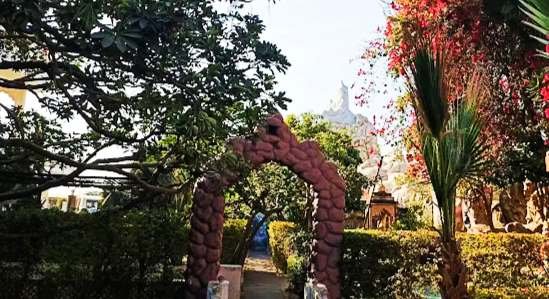
  • Includes the main sanctum of Maa Anjani, pathways, prayer halls, small gardens, and pilgrim facilities.

  • The area is compact yet serene, allowing easy access to Balaji Temple and other nearby shrines.


Ticket fee details for the Maa Anjani Temple, Mehandipur: 

Maa Anjani Temple is a religious and spiritual site, and typically, entry is free for all devotees. There are no mandatory ticket charges. However, some optional offerings and services may have nominal fees:


1. Entry Ticket

  • Cost: Free

  • Details: No entry fee is required to enter the temple premises or for darshan of Maa Anjani.

2. Special Offerings / Donations

  • Devotees can offer voluntary donations to the temple trust.

  • Suggested donations: ₹10 – ₹500, depending on the devotee’s choice.

  • Donations are used for temple maintenance, rituals, and festivals.

3. Prasad / Special Puja Charges

  • Prasad (holy offering): ₹20 – ₹100

  • Special Puja / Havan: ₹200 – ₹1,000

  • Devotees can book special pujas for personal blessings, health, or spiritual relief.

4. Accommodation / Dharamshala Charges (Optional)

  • Nearby dharamshalas may charge ₹100 – ₹500 per night for rooms.

  • These are optional stays for pilgrims visiting the temple.


Summary:

TypeFeeNotes
Entry TicketFreeOpen to all devotees
Voluntary Donations₹10 – ₹500For temple maintenance & rituals
Prasad / Special Puja₹20 – ₹1,000Depending on type of offering
Accommodation (Optional)₹100 – ₹500Nearby dharamshala / guesthouse

Conclusion: Visiting Maa Anjani Temple does not require mandatory ticket payment. Devotees are encouraged to contribute voluntarily for temple upkeep and special rituals.

Things To Do:

  1. Darshan and Prayer

    • Offer prayers to Maa Anjani, seeking blessings for peace, protection, and prosperity.

  2. Aarti Participation

    • Join the morning and evening aarti for a spiritual experience.

  3. Offerings and Prasad

    • Present red chunari, sweets, coconuts, and receive prasad.

  4. Explore Temple Complex

    • Walk through the Mehandipur Balaji Temple complex, visiting related shrines.

  5. Attend Festivals

    • Witness Hanuman Jayanti, Navratri, and other religious events with vibrant rituals.

  6. Spiritual Cleansing

    • Many devotees perform rituals for relief from negativity or evil influences.

  7. Photography and Cultural Observation

    • Capture temple architecture, carvings, and festive scenes (respecting temple rules).

  8. Interact with Priests and Locals

    • Learn about legends, rituals, and spiritual significance directly from priests or local devotees.

Travel Tips: 

  1. Timing:

    • Visit early morning (5:30–8:00 AM) or evening (6:00–8:30 PM) for a peaceful darshan.

  2. Best Days:

    • Tuesday and Saturday are auspicious, but also the busiest, so plan accordingly.

  3. Season to Visit:

    • October to March is ideal due to pleasant weather.

  4. Dress Code:

    • Wear modest and traditional clothing. Avoid shorts and sleeveless tops.

  5. Offerings:

    • Carry red chunari, coconuts, flowers, and sweets for offerings.

  6. Photography:

    • Allowed in some areas, but follow temple rules and avoid disturbing rituals.

  7. Crowd Management:

    • Festivals like Hanuman Jayanti and Navratri attract large crowds. Plan for extra time.

  8. Stay & Accommodation:

    • Book nearby hotels or dharamshalas in advance during peak season.

  9. Local Etiquette:

    • Respect temple rules, maintain silence, and avoid littering.

  10. Health & Safety:

  • Carry water, light snacks, and wear comfortable shoes, as walking through the complex is required.

These tips ensure a smooth, safe, and spiritually enriching visit to Maa Anjani Temple.


How to Reach: 

1. By Air

  • Nearest Airport: Jaipur International Airport (JAI) – ~110 km from Mehandipur.

  • Travel from Airport:

    • Taxi / Cab: Directly available from Jaipur Airport to Mehandipur (~2.5–3 hours).

    • Bus: Limited Rajasthan State Transport buses connect Jaipur to Dausa or nearby towns; then take a taxi/local transport.

2. By Train

  • Nearest Railway Station: Bandikui Junction (~34–35 km)

  • From Station: Auto-rickshaws, taxis, or private vehicles are available for 35–40 minute ride.

  • Other Nearby Stations: Dausa Railway Station (~46 km) – suitable if coming from Jaipur or Delhi.

3. By Road

  • Via Private Car / Taxi:

    • From Jaipur: Take NH21 → Dausa → Sikrai → Mehandipur (~110 km, 2.5 hours).

    • From Delhi: Take NH48 → Alwar → Dausa → Mehandipur (~270 km, 5–6 hours).

  • Bus Services: Rajasthan State Transport buses connect Jaipur, Dausa, and nearby towns to Mehandipur.

4. By Local Transport

  • Auto Rickshaws / E-Rickshaws: Available within Mehandipur village to reach the temple.

  • Cycle Rickshaw / Walking: Temple complex is compact, suitable for walking.

  • Local Taxi Services: Can be hired for temple tours, including Shri Balaji Temple and surrounding attractions.

Tip:

  • Early morning visits are recommended to avoid traffic and crowds.

  • During festivals, private taxis or pre-booked cabs are more convenient than buses or shared transport.

1. Minimum Traveling Budget 

This budget is ideal for backpackers or solo travelers who prioritize essentials.

Expense CategoryEstimated Cost (INR)Notes
Travel (Local Transport)200–300Shared auto rickshaw or bus rides within Mehandipur & nearby towns
Accommodation100–300Stay at dharamshala or budget guesthouse
Food / Prasad150–250Local eateries or simple meals at temple canteens
Temple Offerings / Donations50–100Optional offerings like flowers, coconuts, red chunari
Miscellaneous50–100Water, small purchases, extra expenses

Estimated Total (Minimum Budget): ₹550 – ₹1,050 per person/day

Tips for Budget Travel:

  • Travel in groups to share taxi costs.

  • Carry water and light snacks to save on small expenses.

  • Make voluntary offerings based on convenience

This is for travelers who want to visit on a tight budget while covering essential expenses.


2. Medium Traveling Budget 

Ideal for couples, families, or comfortable solo travelers seeking balanced comfort and convenience.

Expense CategoryEstimated Cost (INR)Notes
Travel (Local & Intercity)500–800Taxi or private cab from Jaipur/Dausa, local transport within Mehandipur
Accommodation800–1,500Stay at mid-range hotels or guesthouses with basic amenities
Food / Prasad300–500Meals at hotel or local restaurants, including prasad
Temple Offerings / Donations100–300Optional offerings like flowers, coconuts, red chunari
Miscellaneous100–200Water, snacks, small shopping, or extra expenses

Estimated Total (Medium Budget): ₹1,800 – ₹3,300 per person/day

This range is suitable for those preferring comfortable travel, quality food.


3. Large Traveling Budget 

Perfect for Luxury Experience who prefer high-end accommodations, private transport, and fine dining.

Expense CategoryEstimated Cost (INR)Notes
Travel (Intercity & Local)2,000–3,500Private taxi or luxury cab from Jaipur/Delhi, personalized local transport
Accommodation3,000–6,000Luxury hotels or resorts with modern amenities and comfortable stay
Food / Prasad500–1,000Premium meals at hotel restaurants, temple prasad, and snacks
Temple Offerings / Donations500–1,000Special pujas, larger donations, or customized offerings
Miscellaneous / Shopping500–1,000Souvenirs, water, snacks, and other personal expenses

Estimated Total (Luxury Budget): ₹6,500 – ₹12,500 per person/day

This budget is ideal for those seeking a premium experience, including private transfers, high-end accommodations, gourmet meals, and exclusive services.

Reviews

There are no reviews yet.

Be the first to review “Maa Anjani Temple , Mehandipur”

Your email address will not be published. Required fields are marked