
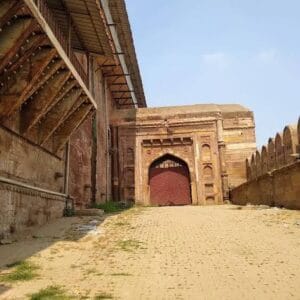
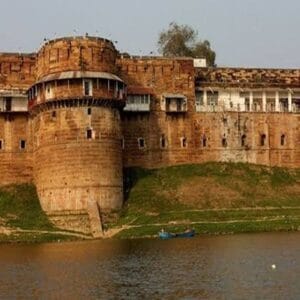
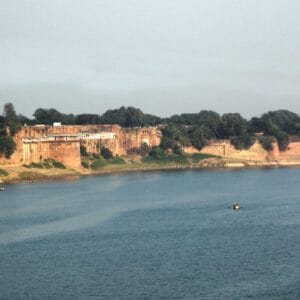
Akbar Fort ( Allahabad Fort ), Prayagraj

57 people are viewing this place right now

Address - Allahabad fort, Prayagraj, Uttar Pradesh 211005

🕒open - 9:44 am

🕙Closed - 6:00 pm

🔖No Entry Ticket Required

🔖No Entry Ticket Required

Summary

The Akbar Fort in Prayagraj, built by Emperor Akbar in 1583, is a majestic Mughal structure at the Triveni Sangam. Known for its Ashoka Pillar, Patalpuri Temple, and Saraswati Koop, it showcases Indo-Islamic architecture. A key historical and cultural site, parts of the fort remain under Indian Army control.

Location

  • Allahabad fort, Prayagraj, Uttar Pradesh 211005

Full Story

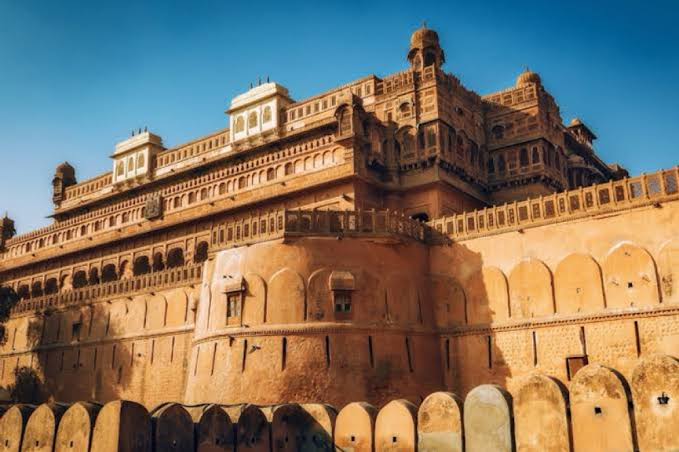
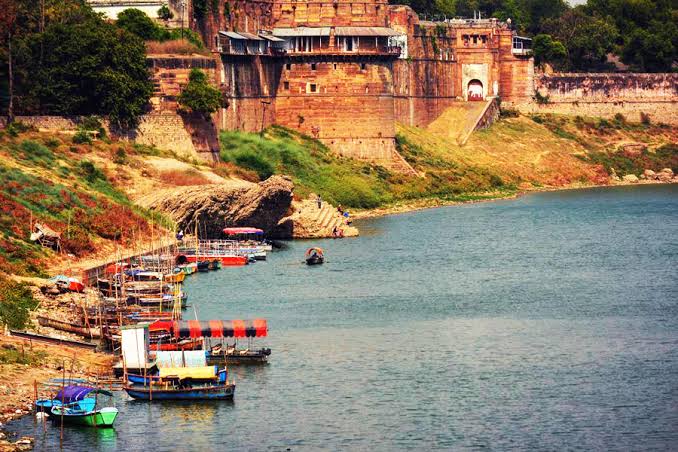
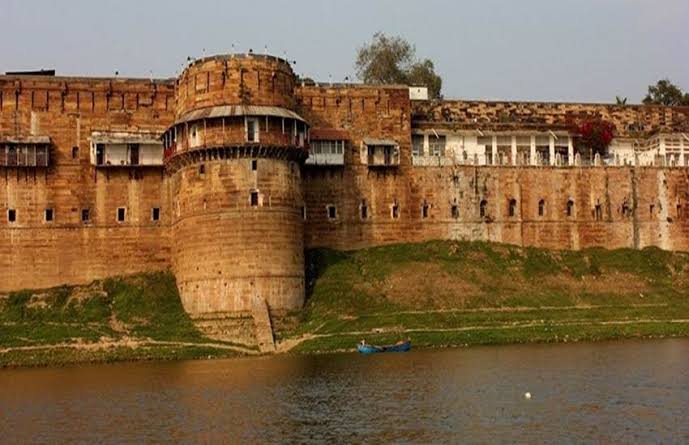
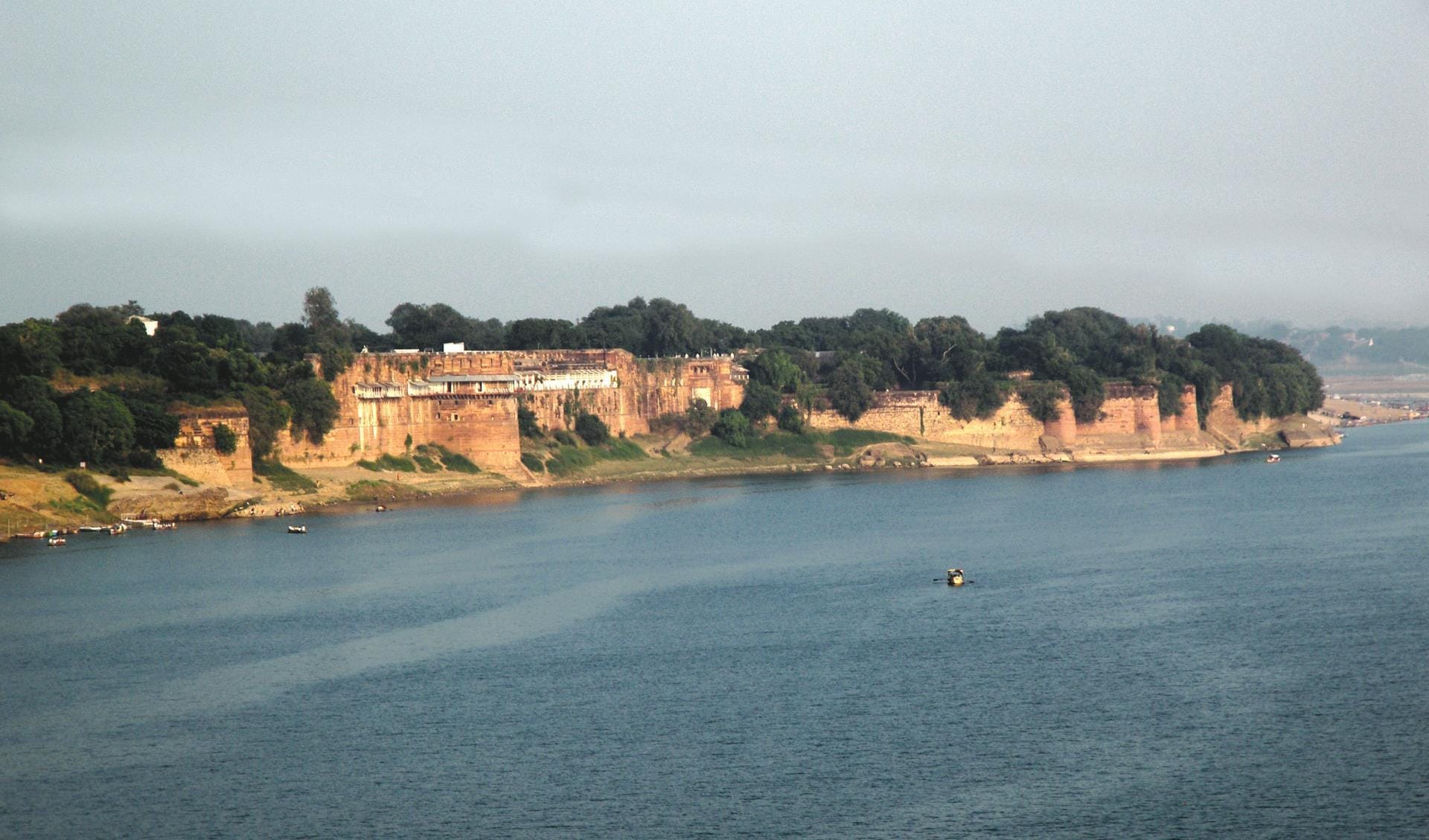
The Akbar Fort in Prayagraj (formerly Allahabad), Uttar Pradesh, is a prominent historical landmark built by the Mughal Emperor Akbar in 1583. Located on the banks of the confluence of the Ganga, Yamuna, and the mythical Saraswati rivers (the Triveni Sangam), the fort is a fine example of Mughal architecture and a symbol of the empire’s strategic prowess and architectural innovation.

Here is a detailed overview:


History and Significance

  1. Construction:
    • The fort was commissioned by Emperor Akbar in 1583 as a strategic military base to strengthen Mughal control over northern India.
    • It served as a key fortification to secure Akbar’s empire in the eastern regions and was a center of administrative activities.
  2. Strategic Location:
    • Situated near the Triveni Sangam, the fort controlled access to the rivers, making it crucial for trade, defense, and transportation during Mughal rule.
  3. Historical Importance:
    • The fort played a significant role during the Mughal, Maratha, and British eras.
    • After the decline of the Mughal Empire, the fort came under British control in 1798. It was later used as a military base by the British East India Company.

Architecture

  1. Design and Layout:
    • The fort is built in the Indo-Islamic architectural style, combining Persian and Indian elements.
    • It is constructed with red sandstone, a hallmark of Mughal architecture.
    • It features massive walls, bastions, and three grand gateways.
  2. Structures within the Fort:
    • Ashoka Pillar:
      • The fort houses a 35-foot-high sandstone pillar dating back to the Mauryan period (3rd century BCE). Emperor Ashoka’s edicts are inscribed on this pillar.
    • Saraswati Koop:
      • A sacred well believed to be the source of the mythical Saraswati River.
    • Patalpuri Temple:
      • An ancient underground temple dedicated to Hindu deities, showcasing the region’s syncretic culture.
    • Jodhabai Mahal:
      • A palace believed to have been used by Akbar’s Rajput queen.
  3. Artillery and Defense:
    • The fort’s design included strategically placed cannons, moats, and storage for weapons to defend against invaders.

Current Status

  1. Archaeological Importance:
    • The fort is a protected monument under the Archaeological Survey of India (ASI).
  2. Access to the Public:
    • A significant portion of the fort is under the control of the Indian Army and is not open to the general public.
    • However, visitors can access certain parts, such as the Ashoka Pillar, Patalpuri Temple, and Saraswati Koop during specific festivals or events.
  3. Kumbh Mela Connection:
    • During the Kumbh Mela, a massive Hindu pilgrimage held every 12 years, the fort becomes a focal point for visitors due to its proximity to the Triveni Sangam.

Cultural and Religious Importance

  1. The Akbar Fort is closely associated with the Hindu pilgrimage tradition at the Triveni Sangam.
  2. It serves as a reminder of India’s syncretic past, blending Mughal, Hindu, and Mauryan influences.

Tourist Information

  1. Location:
    • Near the Triveni Sangam, Prayagraj, Uttar Pradesh.
    • Approximately 7 km from Prayagraj Junction Railway Station.
  2. Best Time to Visit:
    • October to March is ideal for visiting Prayagraj due to pleasant weather.
    • The fort sees a surge in visitors during events like the Magh Mela and Kumbh Mela.
  3. Entry:
    • Visitors are required to follow the guidelines of the Indian Army and ASI as some sections are restricted.

The Akbar Fort remains a testament to the rich cultural and historical heritage of India and continues to draw tourists, historians, and pilgrims from across the world.

Opening time09:44 AM to 6:00 PM
Best time to visit09:44 AM to 6:00 PM
Best day to visitSunday & festival days
Best month/season to visitJanuary-February
National Emergency Number

( sos )

112
Place helping / contact no.Tourism Department of Uttar Pradesh

Contact No.: +91 522 223 5025

Significancehistorical, cultural, and religious
Type of PlaceHistorical
Built ByMughal Emperor Akbar
Year of construction1583
Public washroomAvailable
Canteen / RestaurantThere are many street food stalls nearby
ParkingAvailable
Busiest dayWeekdays and festival days
Local languageHindi
Nearby accommodationAvailable
Spread over area60 acres
  • Indian tourist fee – no entry fee
  • Indian children below 15 year fee – no entry fee
  • Foreigner tourist fee – no entry fee
  • Night viewing fee ( Indian ) – no entry fee
  • Night viewing fee ( Foreigner ) – no entry fee

There are several activities and experiences to enjoy in and around Akbar Fort in Prayagraj. Here’s a list of things to do:

1. Explore Historical Structures

  • Visit the Ashoka Pillar, an ancient artifact from the Mauryan Empire with inscriptions.
  • Explore the Patalpuri Temple, a sacred underground temple inside the fort.
  • See the Saraswati Koop, a well believed to mark the origin of the mythical Saraswati River.

2. Visit the Triveni Sangam

  • Witness the confluence of the Ganga, Yamuna, and Saraswati rivers, a major spiritual attraction for Hindus.
  • Take a boat ride to experience the beauty of the Sangam and the surrounding areas.

3. Attend Religious Festivals

  • Plan a visit during the Kumbh Mela or Magh Mela, which are grand events near the fort.

4. Capture Scenic Views

  • The fort offers panoramic views of the Triveni Sangam and the surrounding landscapes, perfect for photography enthusiasts.

5. Learn About Mughal Architecture

  • Admire the fort’s impressive Indo-Islamic architectural design, which showcases the grandeur of Akbar’s era.

6. Visit Nearby Attractions

  • Explore the Hanuman Mandir nearby, famous for its reclining idol of Lord Hanuman.
  • Visit the Allahabad Museum for more historical insights into Prayagraj.

7. Experience Spirituality

  • Participate in rituals and holy dips at the Sangam, which is considered highly auspicious by pilgrims.

8. Enjoy the Local Cuisine

  • Relish local street food and delicacies like chaat, kachori, and jalebi from stalls around the fort and Sangam area.

Important Note

Since a significant portion of the fort is controlled by the Indian Army, public access is limited to specific areas. Always check locally for the latest visitor guidelines.

Here are some simple travel tips for visiting Akbar Fort in Prayagraj:

  1. Check Timings: Only some areas of the fort are open to visitors. Confirm the timings before going.
  2. Best Time to Visit: Winter months (October to March) are ideal, or visit during festivals like Kumbh Mela.
  3. Wear Comfortable Clothes: Dress modestly and wear comfortable shoes for walking.
  4. Carry Essentials: Take water and snacks, as there are no food options inside the fort.
  5. Hire a Guide: A guide can help you understand the history of the fort better.
  6. Avoid Crowds: Visit early in the day to avoid peak crowds, especially during festivals.
  7. Follow Rules: Photography may be restricted in some areas, so ask before clicking pictures.
  8. Parking: Parking is available near Triveni Sangam, but it can get busy during peak times.
  9. Respect Customs: Be respectful in religious areas like the Patalpuri Temple or at the Sangam.
  10. Stay Safe: Keep your belongings secure and follow local guidelines.

By following these simple tips, your visit will be smooth and enjoyable!


How To Reach

  1. By Air: Prayagraj Airport (15 km away) is the nearest. Take a taxi or auto-rickshaw from the airport to the fort.
  2. By Train: The nearest railway station is Prayagraj Junction (7 km away). From there, hire an auto-rickshaw or taxi.
  3. By Road: Drive your own vehicle or take a bus to Prayagraj. Parking is available near Triveni Sangam.
  4. By Local Transport:
  • Use auto-rickshaws, e-rickshaws, or local buses to easily reach the fort.
  • Book any local auto taxi or rikshaws
  • Book online bike taxi via Rapido
  • Book online auto taxi or rikshaw  via ola, uber or inDrive etc..

Note: The fort is close to Triveni Sangam, making it easy to locate.

Reviews

There are no reviews yet.

Be the first to review “Akbar Fort ( Allahabad Fort ), Prayagraj”

Your email address will not be published. Required fields are marked