


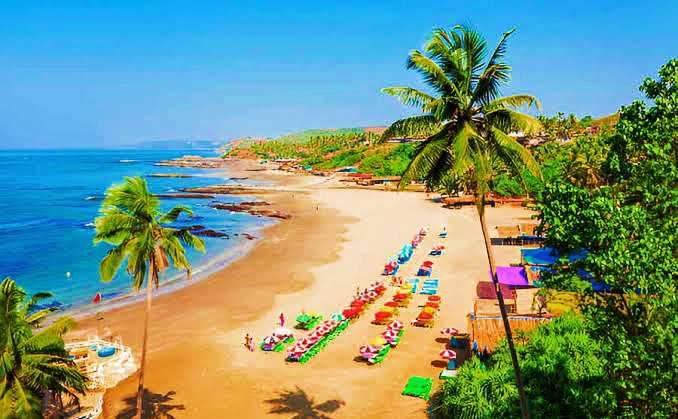
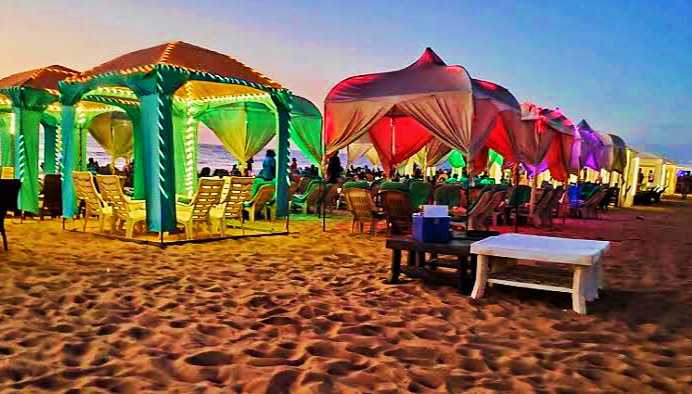
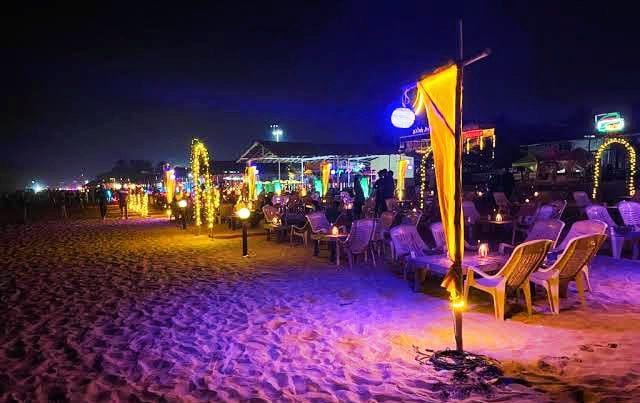
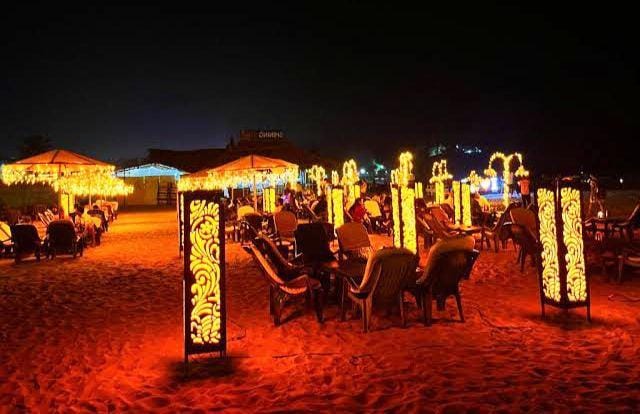
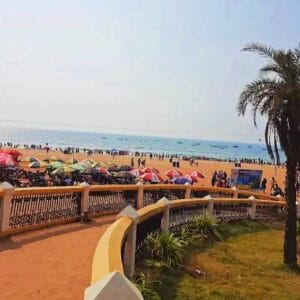
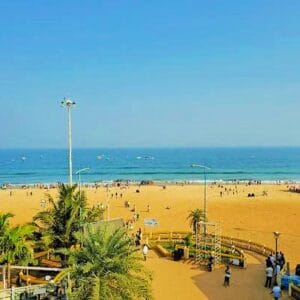
Calangute Beach , Calangute

86 people are viewing this place right now

Address - Calangute, Bardez, North Goa District, Goa – 403516

🕒open - 12:00 am

🕙Closed - 12:00 am

🔖No Entry Ticket Required

🔖No Entry Ticket Required

Summary

Calangute Beach, known as the “Queen of Beaches”, has evolved from a quiet fishing village to a bustling tourist hub. Influenced by Portuguese colonization, hippie culture of the 1960s, and modern tourism, it blends heritage, vibrant nightlife, and water sports, while facing environmental challenges and the need for sustainability.

Location

  • Calangute, Bardez, North Goa District, Goa – 403516

⬇️Tap on “View larger map” to get Direction

Full Story

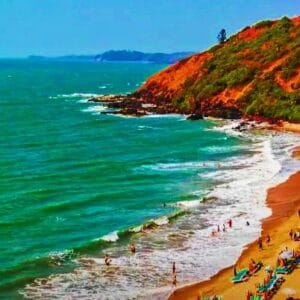
Calangute Beach, often referred to as the “Queen of Beaches” in Goa, is one of the most famous and oldest tourist destinations in India. Its history is deeply intertwined with Goa’s colonial past, cultural evolution, and transformation into a global tourist hotspot.


1. Ancient and Pre-Colonial Era

Calangute’s history dates back to ancient times when the region was part of the Kadamba Kingdom (10th–14th century), which ruled much of Goa and contributed to early temple culture and maritime trade.

Following the Kadambas, Calangute came under the control of the Vijayanagara Empire and later the Adil Shahis of Bijapur, who were the immediate predecessors to Portuguese rule.

The name “Calangute” is believed by some to have originated from the Konkani words “Koli-gutti” (land of fishermen and hills) or possibly “Kalyan Ghat” (beautiful shore), though its exact origin remains debated.


2. Portuguese Colonization (1510–1961)

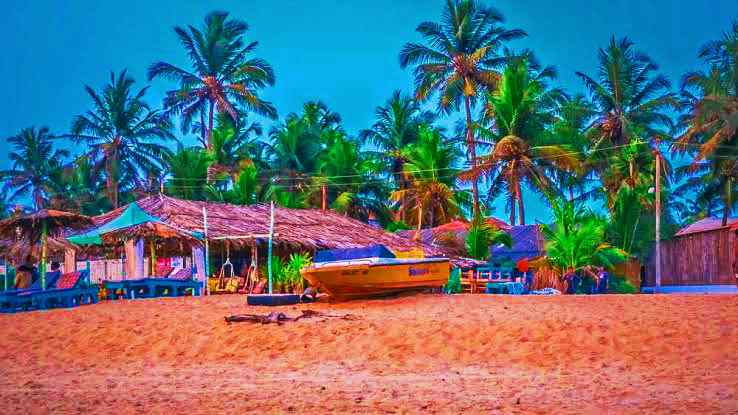
After the Portuguese conquered Goa in 1510, Calangute remained a quiet fishing and agricultural village with coconut plantations and paddy fields.

The Portuguese introduced Catholicism, leading to conversions among locals. This influence is still visible in the village’s architecture and churches, especially the St. Alex Church, originally established in 1595 and rebuilt in its current form in 1741.

Unlike coastal trading ports like Old Goa or Mormugao, Calangute was not a major commercial hub but remained important for its rural character and religious activities.


3. Post-Liberation Era (1961 Onwards)

After Goa’s liberation from Portuguese rule in 1961, the Indian government began integrating Goa into the national framework and promoting tourism.

During the late 1960s and 1970s, Calangute emerged as a favored destination among hippie travelers from Europe and America. They were drawn by its peaceful shores, natural beauty, and alternative lifestyle.

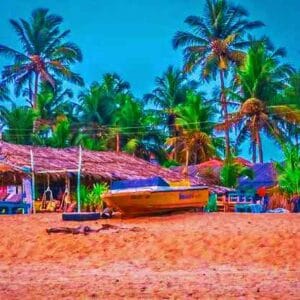
Simple beach shacks, local eateries, and guesthouses began to appear to cater to these travelers, laying the foundation for a tourism-based economy.


4. Rise as a Tourist Destination (1980s–2000s)

By the 1980s, Calangute had gained recognition as a budget-friendly and vibrant beach destination, attracting both domestic and international tourists.

Government and private investments in tourism infrastructure led to the development of hotels, restaurants, and water sports facilities.

While Calangute wasn’t directly featured in Dil Chahta Hai, the broader popularity of Goa in Bollywood films and pop culture helped boost the region’s image as a youthful, carefree destination.


5. Modern-Day Calangute (2000s–Present)

Today, Calangute is one of the most commercialized and bustling beaches in Goa, known for:

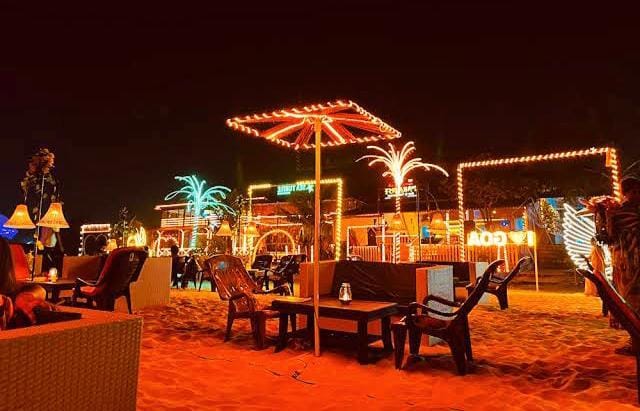
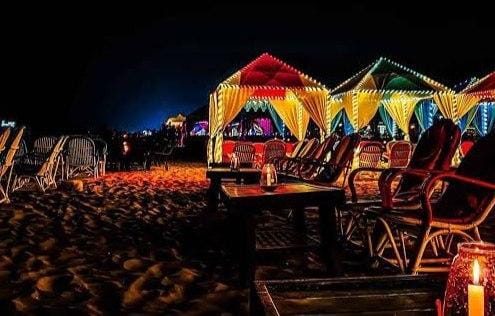
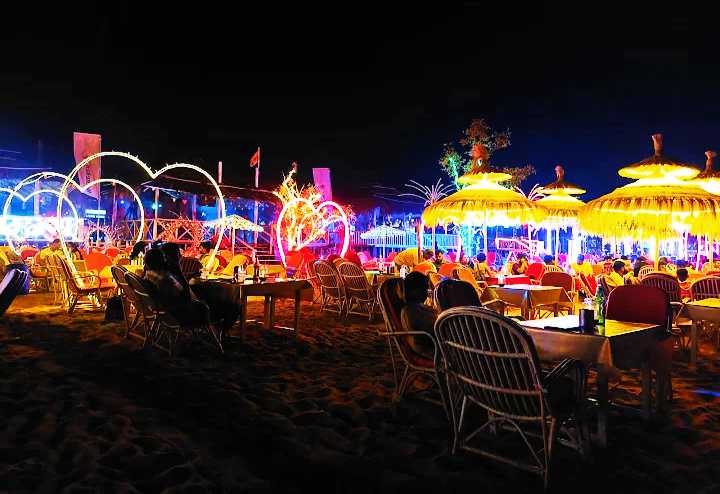
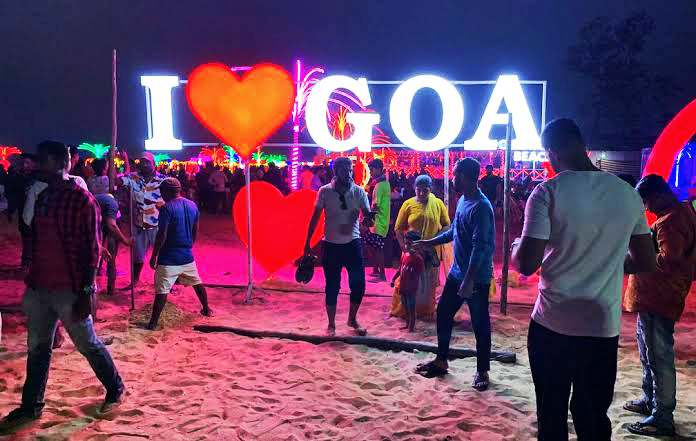
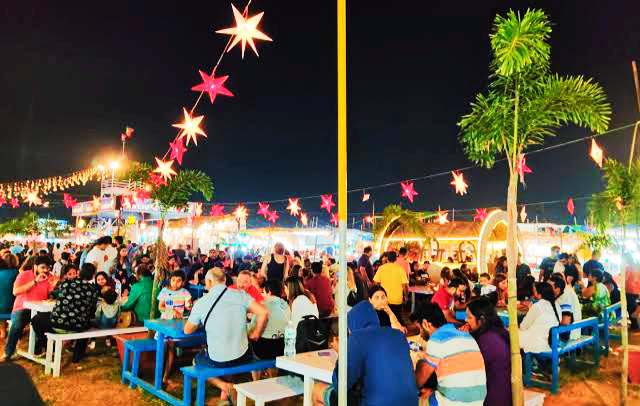
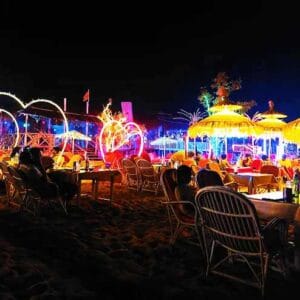
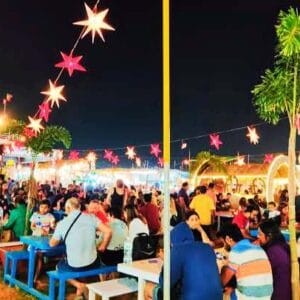
  • Vibrant nightlife (clubs, beach parties, music festivals)

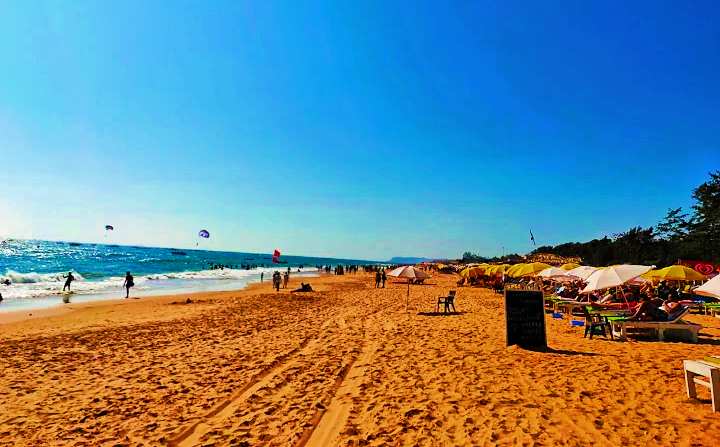
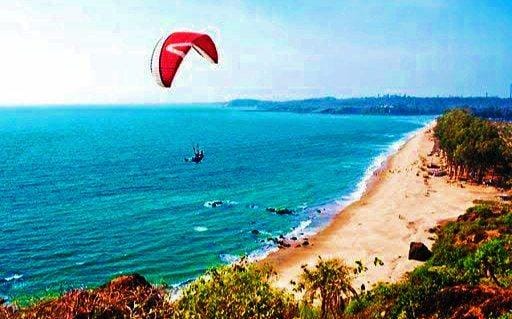
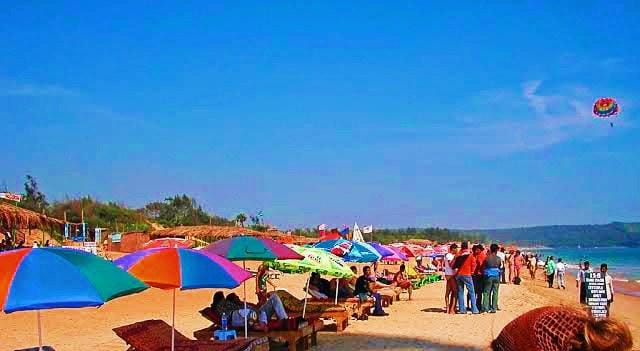
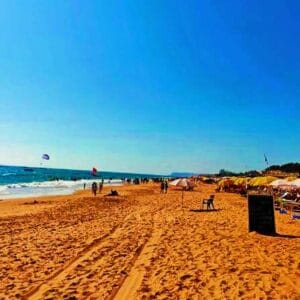
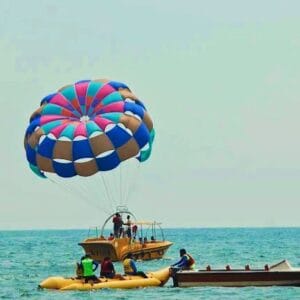
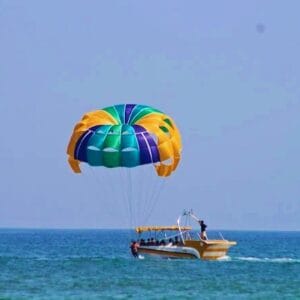
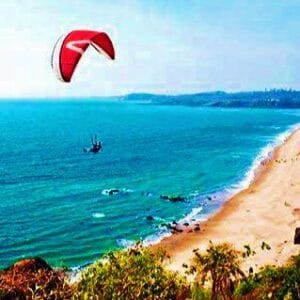
  • Water sports (parasailing, jet-skiing, banana boat rides)

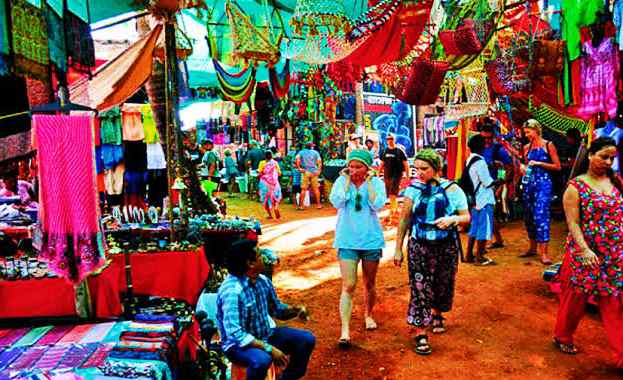
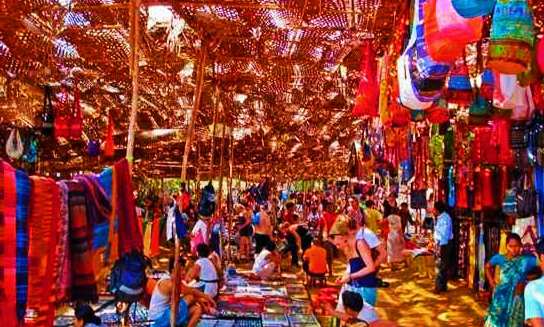
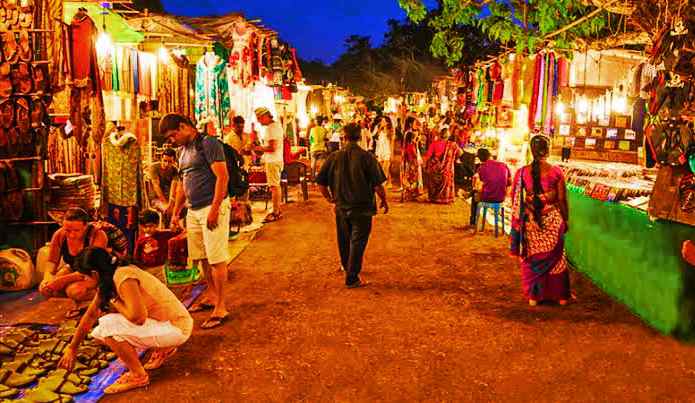
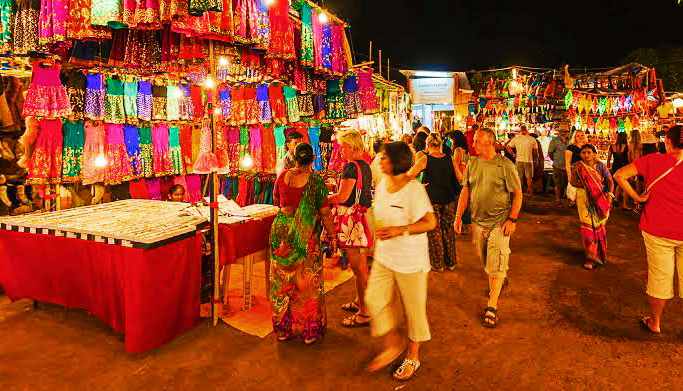
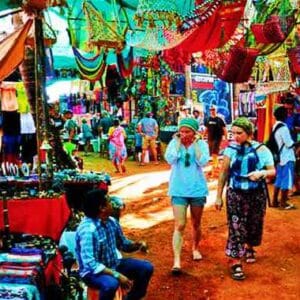
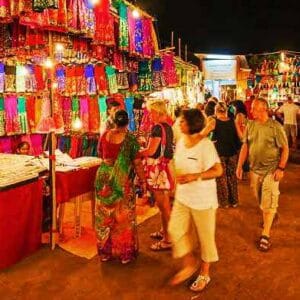
  • Shopping markets (souvenirs, local crafts, cashew nuts, spices)

  • Global cuisine (Goan seafood, Portuguese dishes, Israeli and continental cafes)

However, the rapid growth in tourism has also brought challenges like overcrowding, pollution, and environmental degradation.


6. Cultural and Economic Impact

Calangute’s economy thrives on tourism, fishing, and hospitality services, with many locals engaged in small-scale tourism enterprises.

It hosts notable cultural events such as the Sunburn Festival (electronic dance music) and Shigmo (a traditional Goan Hindu spring festival).

The area is a rich blend of Portuguese-Christian heritage, Hindu traditions, and contemporary tourism culture, making it one of Goa’s most unique destinations.


7. Environmental and Developmental Challenges

  • Overcrowding during peak seasons (especially November–February)

  • Pollution, including plastic waste and untreated sewage

  • Coastal erosion due to unregulated construction and climate change

  • Efforts are being made to implement waste management, CCTV monitoring, and beach cleanliness drives by Goa’s tourism authorities and NGOs.


Conclusion

Calangute Beach has evolved from a sleepy, rural fishing village under Portuguese influence into the “Queen of Beaches”, symbolizing the fusion of tradition and modernity. Its history reflects the broader transformation of Goa — from a colonial enclave to an international tourism hotspot. While it remains one of India’s most beloved beach destinations, sustainable practices and ecological awareness are essential to preserve its charm for future generations.

Opening time
  • Beach Access: Open 24×7 (best time: 6:00 AM to 7:00 PM)

  • Water Sports Activities: 9:00 AM – 5:30 PM

    • Activities Include: Parasailing, jet skiing, banana boat rides, bumper rides, and boat cruises.

  • Beachside Shops & Flea Markets: 10:00 AM – 8:00 PM

    • What’s Available: Souvenirs, clothes, jewelry, spices, beachwear, local crafts

    • Best visited during late morning or early evening

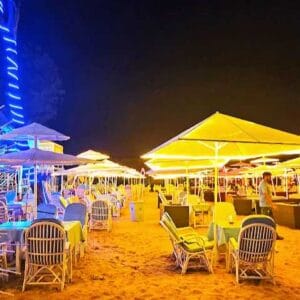
  • Beach Shacks/Restaurants: 8:00 AM – 11:00 PM (some may stay open later)

    • Food Available: Goan seafood, Indian, Continental, Portuguese, and international cuisines

    • Peak Hours: 12:00 PM – 3:00 PM (lunch) & 7:00 PM – 10:00 PM (dinner)

  • Nightlife (Clubs/Bars): 7:00 PM – 3:00 AM

    • Popular For: Live music, beach parties, DJs, cocktails

    • Notable venues may have themed nights or entry fees

  • Transport Services: Available all day (easiest to access 6:00 AM – 10:00 PM)

    • Includes: Taxis, bike rentals, car rentals, and local buses

Best time to visit
  • Early Morning (6:00 AM – 9:00 AM): Peaceful atmosphere, good for walks and photography

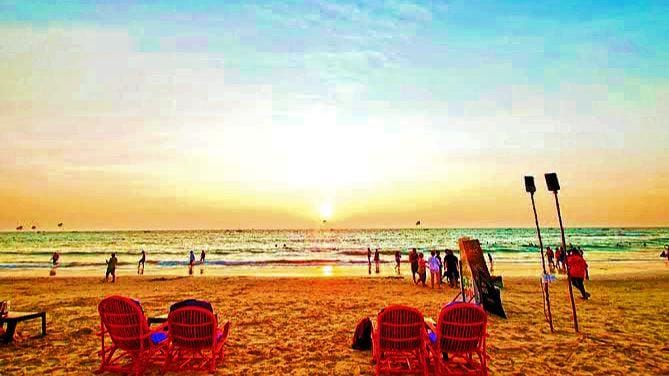
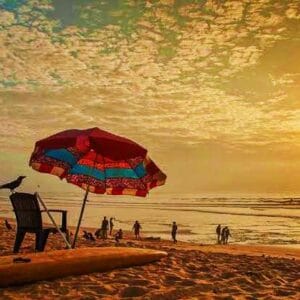
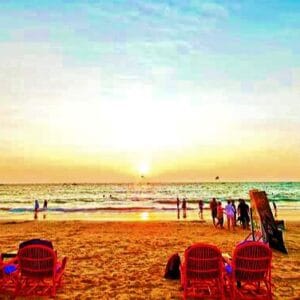
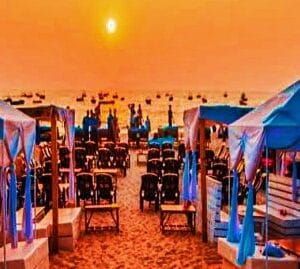
  • Evening (5:00 PM – 7:30 PM): Sunset views, mild weather, and vibrant crowd

Best day to visit
  • Weekdays (Monday to Thursday): Less crowded, easier parking, better for relaxing, photography, and beach walks.

  • Weekends (Friday to Sunday) For Vibrant Atmosphere & Events: Lively crowd, beach parties, music events, nightlife at its peak.
    Note: More crowded and expensive.

  • For Festival Vibes (During Events like):

    • Sunburn Festival (December)

    • Christmas & New Year

    • Shigmo Festival (March)

Best month/season to visit
  • Best Season:

    • Winter (November to February):

      • Ideal for beach walks, water sports, and sightseeing

      • Peak time for festivals like Sunburn, Christmas, and New Year

      • Most recommended for first-time visitors

    • Summer (March to May): Hot and humid, fewer crowds, but less comfortable for sightseeing.

  • Best Months:

    • December to February: Pleasant weather and vibrant cultural events.

    • October and February: Mild weather and fewer tourists.

National Emergency Number( sos )112
Place helping / contact no.Tourism Department of Goa:

Local Assistance & Accommodation:

  • The Park Calangute: +91 832 3501430 / +91 8805028191

  • Ocean Park Resort: +91 832 6711000 / +91 7887877718

Transportation Services:

  • Goa Miles (Official Taxi Service): +91 9607198989

  • Website: goamiles.com

SignificanceCalangute Beach, the “Queen of Beaches,” is a major tourism hub in Goa with historical significance as a hippie haven. It’s a cultural melting pot and economic driver, famous for its long sandy stretch, water sports, vibrant atmosphere, and easy accessibility, making it an iconic Goan destination.
Type of PlaceCoastal beach , Entertainment Zone , Cultural Crossroads , Recreational Area , Commercial Hub , Major Tourist attraction.
Built ByCalangute Beach is a natural beach, so it was not built by any person or ruler. However, its development into a major tourist destination was influenced over time by various groups.
Year of Construction
  • Thousands of years ago – Naturally formed along the Arabian Sea coast.
  • Settled since the Kadamba dynasty (10th–14th century).

  • Portuguese Developed as a village under Portuguese rule (from 1510).

  • Became a tourist hotspot in the 1960s–70s (hippie era).

  • Major tourism growth from the 1980s onwards.

Public washroomAvailable nearby
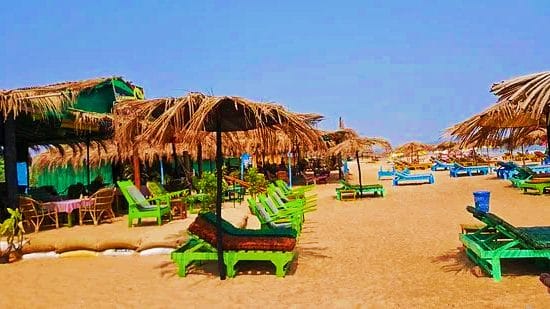
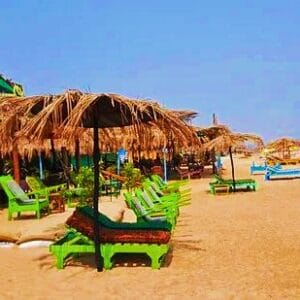
Canteen / RestaurantThere are top restaurants and beach shacks, offering a variety of cuisines and dining experiences.
ParkingAvailable nearby
Busiest day
  • Saturday & Sunday: Higher general weekend visitors.
  • Peak Tourist Season (Nov-Mar): Increased overall tourism in Goa.
  • Public holidays & festivals

  • New Year’s Eve and Christmas

Local language
  • Konkani: Primary local language spoken by the majority of Goans.

  • English: Widely understood and used, especially in churches, tourism, and official communication.

  • Portuguese: Some older locals and religious texts still retain Portuguese influence.

  • Hindi & Marathi: Also commonly spoken and understood in the region.

Nearby accommodationAvailable nearby
Spread over area
  • Length: 4–5 km long

  • Width: Varies from 30 meters to 50 meters in most areas

  • Area: Around 2–2.5 square kilometers (approx.)

It stretches from Baga Beach in the north to Candolim Beach in the south, making it a popular, expansive space for both tourists and locals.

Ticket fee and activity cost details at Calangute Beach:

Activity / ServiceCost (Approx.)Remarks
Beach EntryFreeNo entry fee to access the beach
Jet Skiing₹300 – ₹5005-minute ride
Parasailing₹800 – ₹1,5005–10 minutes, solo or tandem
Banana Boat Ride₹300 – ₹500 per person10–15 minutes
Bumper Ride₹300 – ₹500 per personShort water thrill ride
Speed Boat Ride₹300 – ₹500 per person5–10 minutes
Scuba Diving₹2,500 – ₹4,000Includes training + dive session
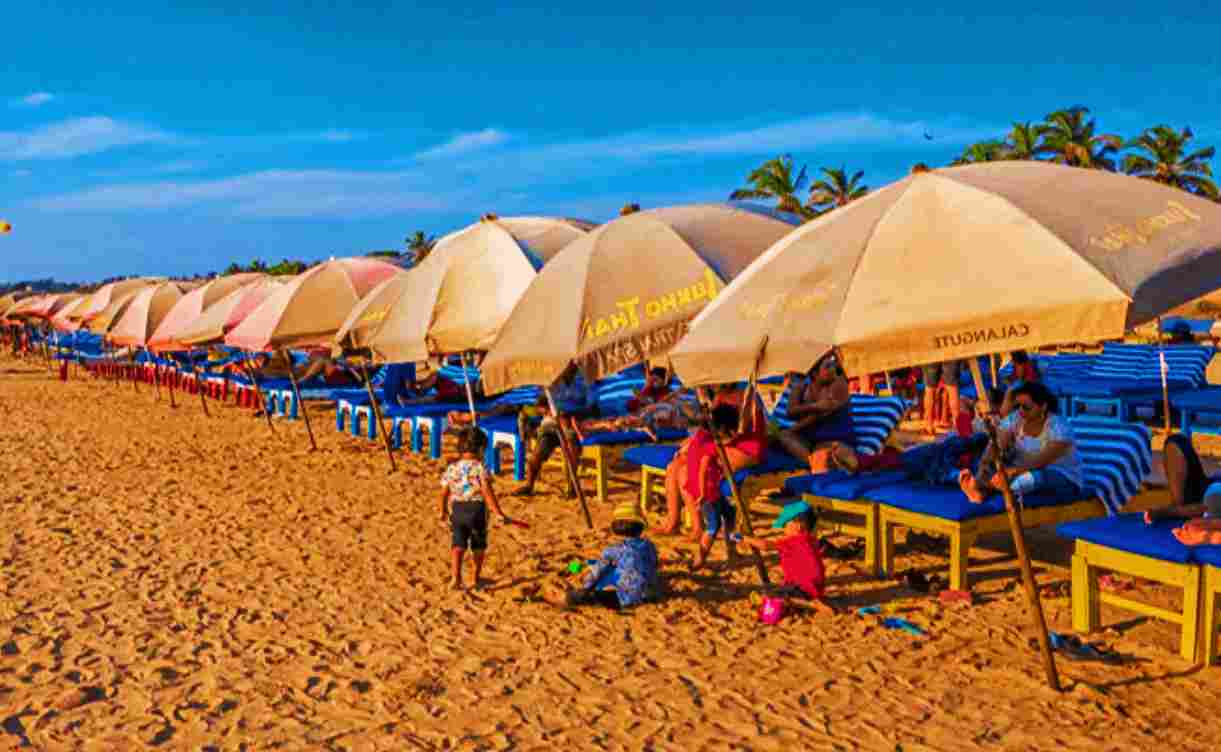
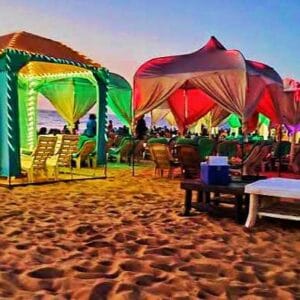
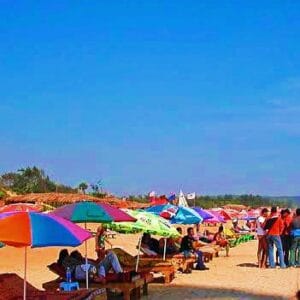
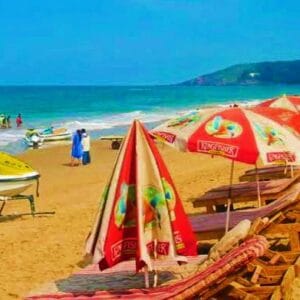
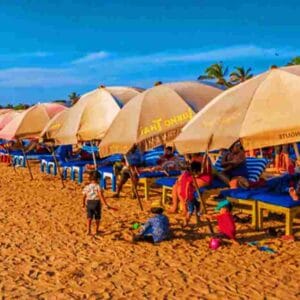
Sunbed / Umbrella Rental₹100 – ₹300 per dayVaries by vendor and beach area
Public Parking₹100 for 12 hours (approx.)Paid lot near beach
Proposed Entry Tax₹100 – ₹300 (Not yet active)May apply in the future for non-hotel guests

Things to Do at Calangute Beach:

Beach Activities:

  1. Sunbathing – Relax on the golden sands.

  2. Swimming – Calm waters ideal for a dip.

  3. Water Sports – Parasailing, jet-skiing, banana boat rides, and more.

  4. Beach Volleyball – Many areas offer volleyball setups.

  5. Photography – Capture the scenic sunset and vibrant beach life.

Dining & Shopping:

  1. Beach Shacks – Enjoy Goan seafood, snacks, and cocktails.

  2. Shopping – Browse for souvenirs, cashews, spices, and clothing at the local markets.

Sightseeing & Relaxation:

  1. Visit St. Alex Church – A beautiful historical church nearby.

  2. Explore Local Markets – Shop for souvenirs and local goods.

  3. Evening Walks – Take a peaceful walk along the beach, especially at sunset.

Nightlife:

  1. Beach Parties – Experience vibrant beach parties with music.

  2. Clubs and Bars – Enjoy live music, cocktails, and dancing at nearby venues.

These activities make Calangute Beach a lively spot for all types of travelers.

Travel Tips: 

Before You Go
  1. Best Time to Visit: November to February for pleasant weather and festivals.

  2. Accommodation: Book in advance during peak season to avoid high rates.

  3. Currency: Carry enough cash; ATMs are available but may run dry in peak seasons.

  4. Packing Tips: Light cotton clothes, sunscreen, flip-flops, sunglasses, and a hat.

Getting There
  1. Nearest Airport: Dabolim Airport (40 km away).

  2. Nearest Railway Station: Thivim (19 km) or Vasco da Gama (42 km).

  3. Local Transport: Rent scooters/bikes or use taxis and auto-rickshaws for local travel.

On the Beach
  1. Water Safety: Swim in designated zones with lifeguards.

  2. Activity Booking: Book water sports through licensed operators to avoid scams.

  3. Sun Protection: Apply SPF 50+ sunscreen regularly.

  4. Beach Etiquette: Respect local customs and avoid littering.

Shopping & Dining
  1. Bargaining: Bargain while shopping at beachside markets.

  2. Food Safety: Prefer hygienic, busy shacks for food and drinks.

  3. Local Delicacies: Try Goan fish curry, bebinca, and Feni (local liquor).

What to Avoid
  1. Unlicensed Tours: Avoid unverified guides or package deals.

  2. Drugs: Strictly illegal; avoid any illegal substances.

  3. Public Drinking: Drinking alcohol in open beach areas is prohibited and punishable.

Safety & Connectivity
  1. Stay Connected: Mobile networks are good, but some areas may have weak signals.

  2. Emergency Contacts:

  • Police: 100

  • Ambulance: 108

  • Tourist Helpline: 1363

  1. Solo Travel: Safe for solo travelers but be cautious at night.


How to Reach: 

By Air
  • Nearest Airport: Goa International Airport (Dabolim Airport), about 40 km from Calangute.

  • Travel Time: Approx. 1 to 1.5 hours by taxi or cab.

  • Transport Options: Prepaid taxis, app-based cabs, or private rentals available at the airport.

By Train
  • Nearest Stations:

    • Thivim Station – 19 km (closest and most convenient)

    • Vasco da Gama Station – 42 km

    • Madgaon (Margao) Station – 50 km

  • From Station to Beach: Taxi, bike rental, or local bus.

By Road
  • From Panaji (Goa’s Capital): 16 km – takes about 30–40 minutes.

  • From Mumbai / Pune: Long-distance buses (overnight), private cars or self-drive.

  • Bus Services: Kadamba Transport (state buses), private AC/non-AC buses run frequently.

By Local Transport
  • Taxis / Auto-rickshaws: Easily available but may charge more in peak season.

  • Bike / Scooter Rentals: Most popular for short travel; approx. ₹300–₹500/day.

  • Local Buses: Budget-friendly; connect Calangute to Panaji, Mapusa, and other areas.


1. Minimum Traveling Budget 

This budget is ideal for backpackers or solo travelers who prioritize essentials.

CategoryCost (INR)Details
Travel (Local)₹200 – ₹500Local bus, bike rental, or shared taxi
Accommodation₹500 – ₹1,000Budget guesthouses or hostels
Food & Drinks₹300 – ₹600Local shacks, street food, and simple meals
Beach Activities₹300 – ₹800One water sport (optional)
Shopping/Extras₹100 – ₹300Souvenirs, snacks, or small items
Estimated Total Budget for 1 Day₹1,400 – ₹3,200Varies by lifestyle, season, and activity choices

Tips to Save Money

  • Travel in off-season (June–September)

  • Stay in dorms or homestays

  • Use local buses instead of taxis

  • Eat at local eateries or beach shacks

  • Book water sports in groups for discounts


2. Medium Traveling Budget 

Ideal for couples, families, or comfortable solo travelers seeking balanced comfort and convenience.

CategoryCost (INR)Details
Travel (Local)₹500 – ₹800Scooter/car rental or private cabs
Accommodation₹1,500 – ₹2,5003-star hotels or mid-range resorts
Food & Drinks₹600 – ₹1,000Mix of beach shacks, cafés, and mid-range restaurants
Beach Activities₹800 – ₹1,5001–2 water sports + beach lounge setup
Shopping/Leisure₹300 – ₹700Local markets, souvenirs, and small indulgences
Estimated Total Budget for 1 Day₹3,700 – ₹6,500Comfortable travel, stay, and activity mix

Inclusions at This Budget

  • AC room with good amenities

  • Multiple water sports or excursions

  • Dining at recommended cafés

  • Scooter/taxi-based mobility


3. Large Traveling Budget 

Perfect for Luxury Experience who prefer high-end accommodations, private transport, and fine dining.

CategoryCost (INR)Details
Travel (Local)₹1,000 – ₹2,000Private taxi, premium car rental, airport transfers
Accommodation₹4,000 – ₹10,000+4–5 star resorts, beachside villas, boutique hotels
Food & Drinks₹1,000 – ₹2,000Fine dining, multicuisine restaurants, beach clubs
Beach Activities₹1,500 – ₹3,000Multiple water sports, scuba diving, private tours
Shopping/Leisure₹1,000 – ₹2,000Designer boutiques, spa, nightlife, luxury souvenirs
Estimated Total Budget for 1 Day₹8,500 – ₹19,000+Premium travel experience with comfort, privacy & exclusivity

What You Get

  • Beachfront luxury stay

  • Private guided activities or boat rides

  • Spa, wellness, and fine-dining options

  • Access to high-end clubs, events, and parties

Reviews

There are no reviews yet.

Be the first to review “Calangute Beach , Calangute”

Your email address will not be published. Required fields are marked