









Summary
Location
- E-212, Rua 31 de Janeiro, Fontainhas (quarter), Altinho, Panaji, Goa 403001
⬇️Tap on “View larger map” to get Direction
Full Story
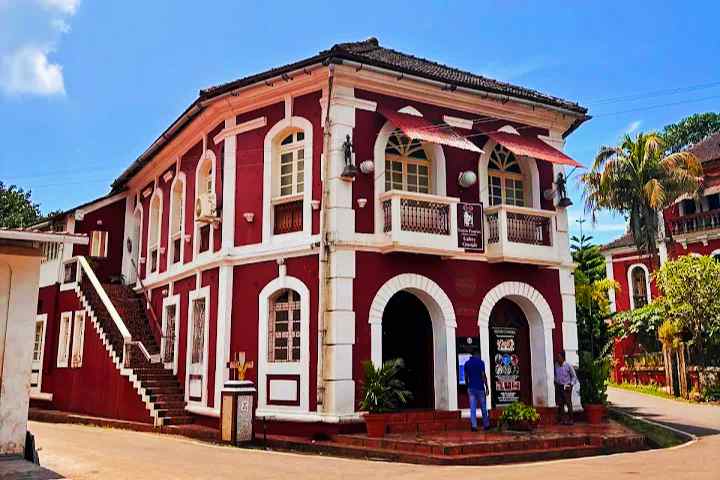
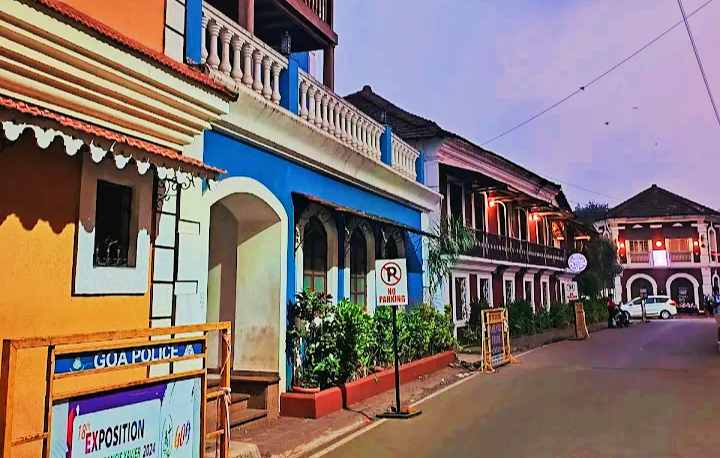
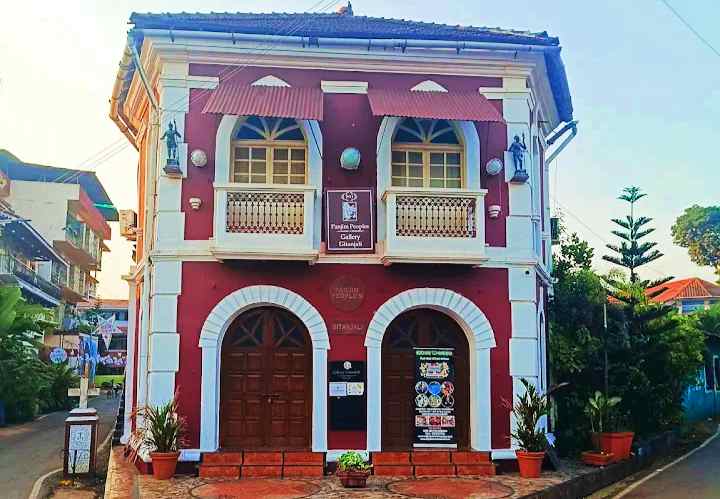
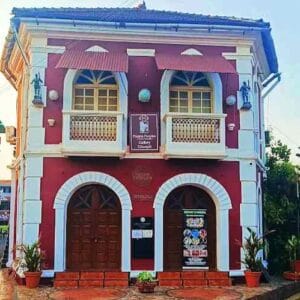
Gitanjali Gallery is one of Goa’s most respected and long-standing art spaces, located in the charming Latin Quarter of Fontainhas, Panaji. Surrounded by Portuguese-style heritage houses and narrow lanes, the gallery is part of a larger cultural setting that draws artists, writers, and heritage lovers alike. The gallery plays a central role in preserving and promoting the contemporary and historical art scene in Goa.
1. Origins and Founding
Established in the early 1990s, Gitanjali Gallery was founded by Menezes Braganza, a family with a deep commitment to Goan heritage and culture.
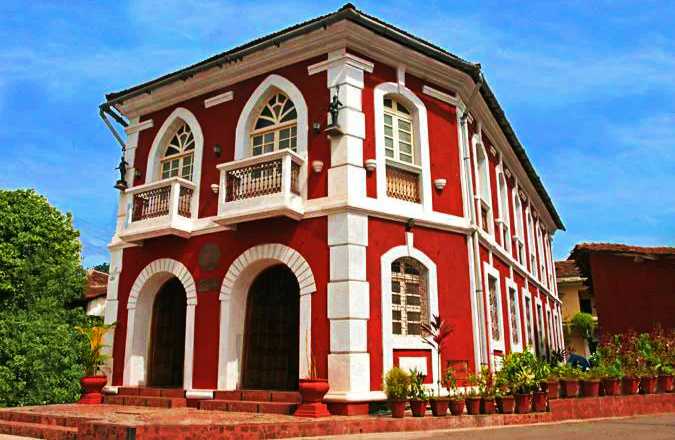
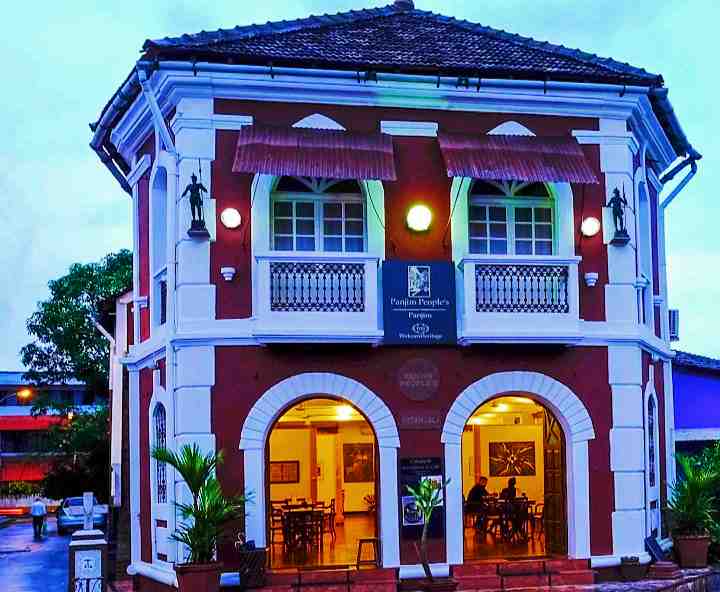
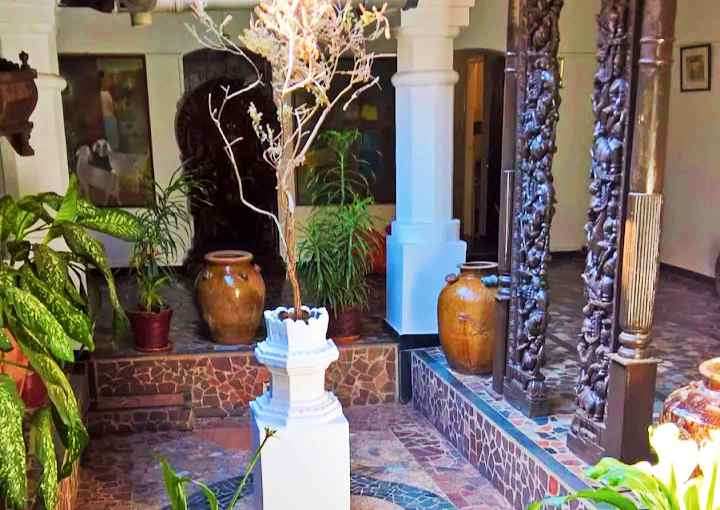
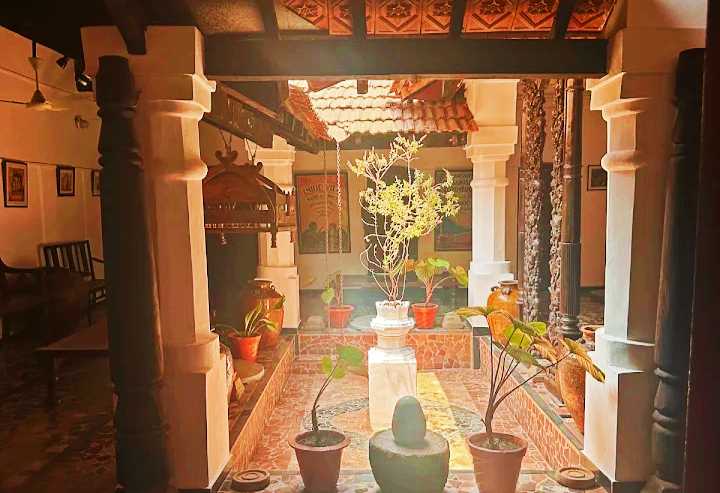
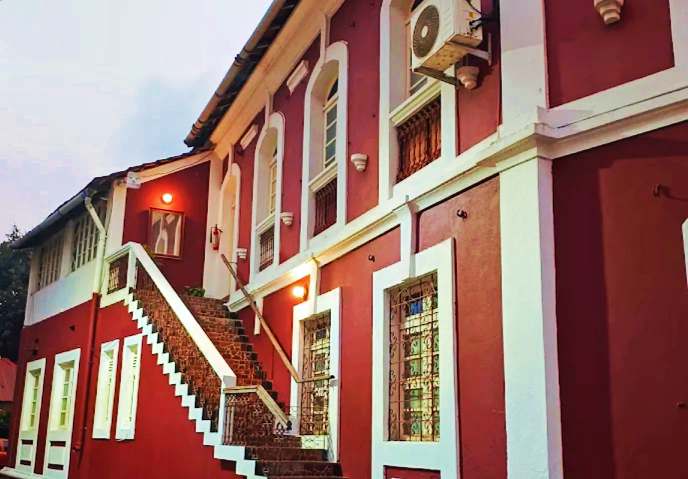
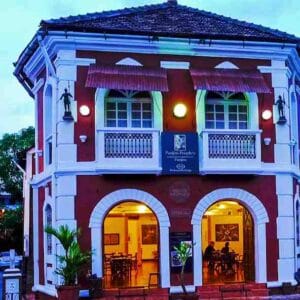
The gallery is located within the Panjim Inn complex, which is a heritage hotel restored from a 19th-century Indo-Portuguese mansion. This location itself reflects a confluence of history and art.
Initially, the gallery was created as a private cultural initiative to showcase both Goan and international art and support contemporary artists in an otherwise tourism-driven state.
2. Artistic Focus and Contributions
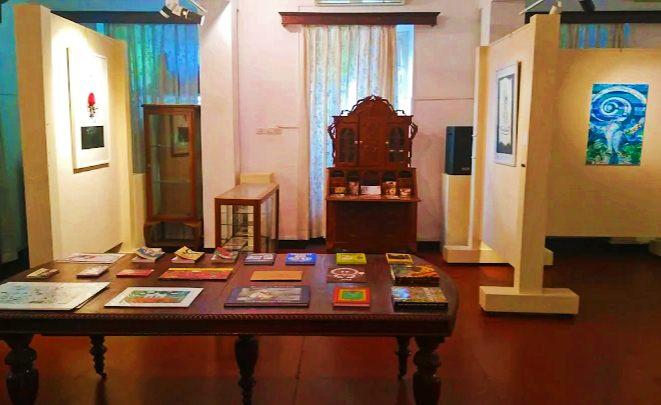
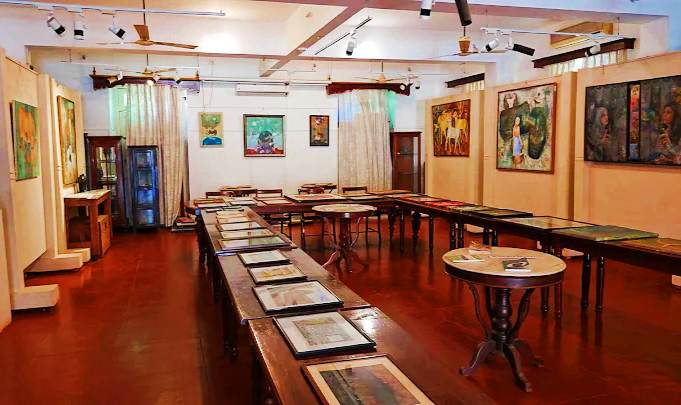
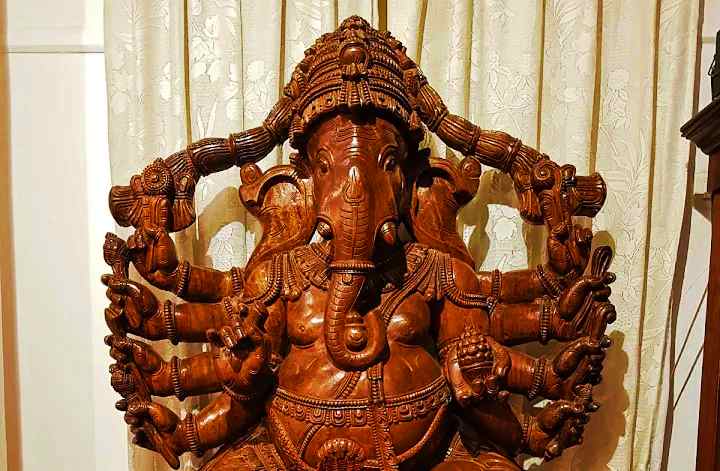
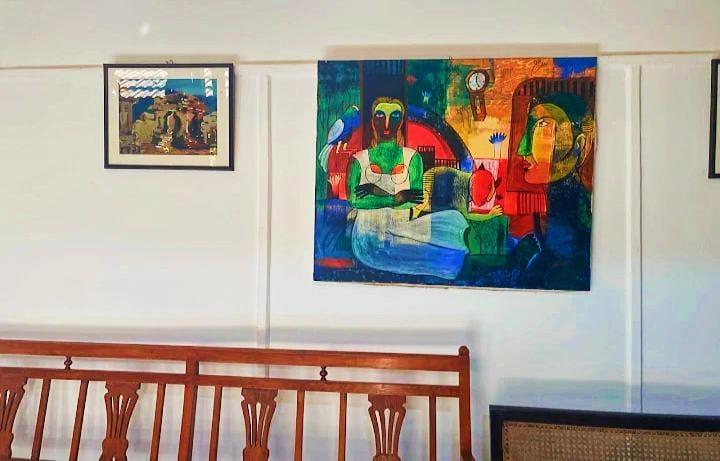
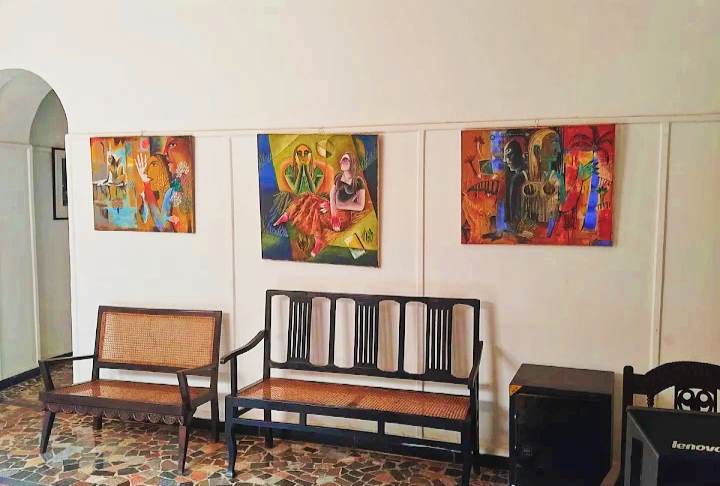
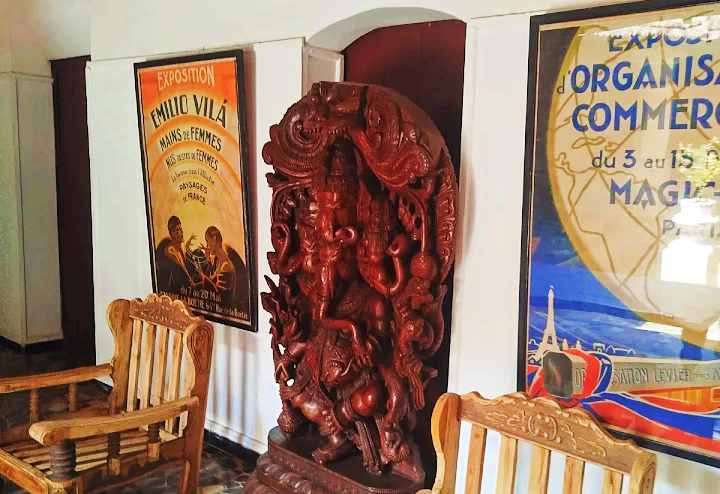
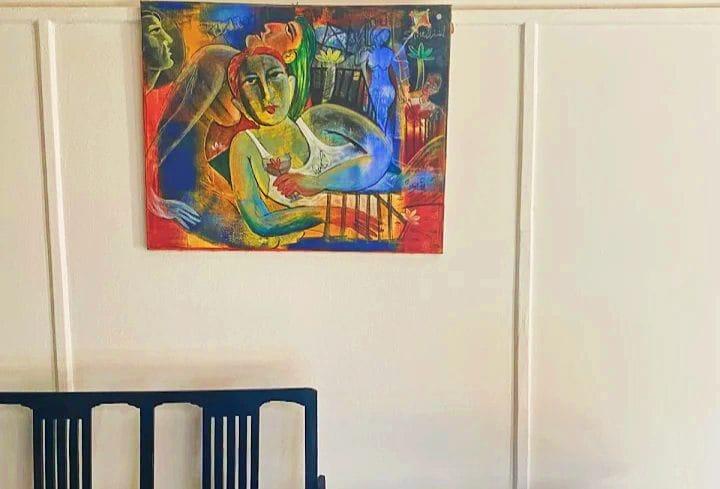
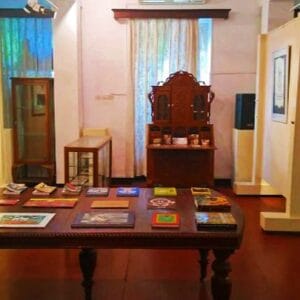
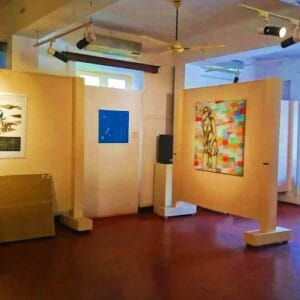
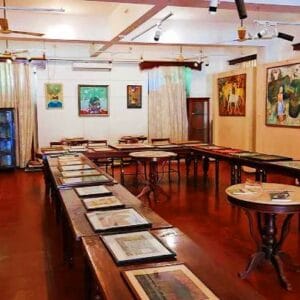
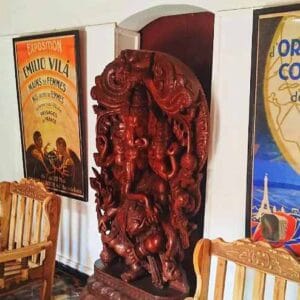
Gitanjali Gallery has served as a platform for local, national, and international artists, offering them a space to exhibit paintings, photography, sculptures, and mixed media installations.
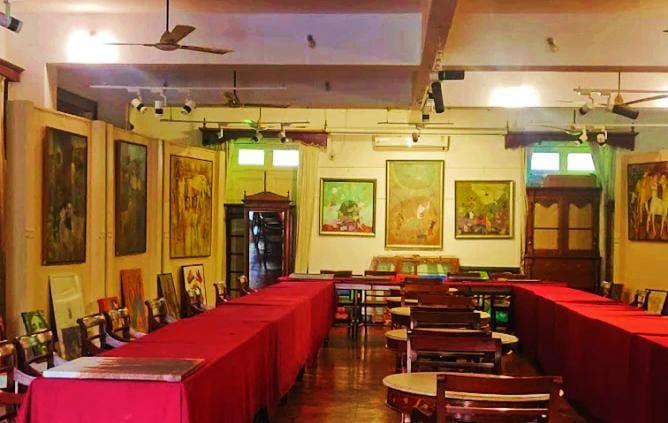
The gallery focuses not only on visual art but also hosts literary readings, heritage talks, film screenings, and workshops.
Many of the exhibitions touch upon Goa’s colonial past, indigenous identity, and post-colonial reflections, making it a center for cultural discourse.
Artists like F.N. Souza, Laxman Pai, and Subodh Kerkar have had associations with the gallery either directly or indirectly through curated exhibits.
3. Architectural Significance
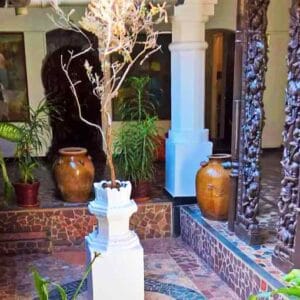
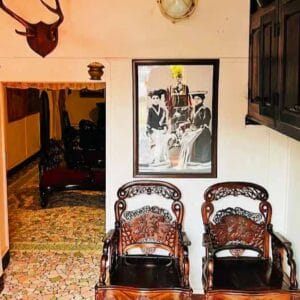
The structure that houses the Gitanjali Gallery is itself of heritage value, being a restored Indo-Portuguese home with arched windows, balcaos (porches), wooden staircases, and ceramic tiles.
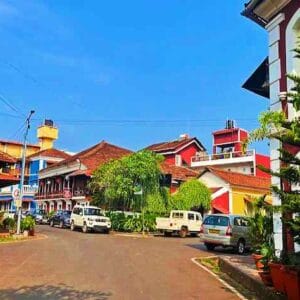
The ambiance of the gallery is enriched by the surrounding Fontainhas neighborhood, which retains the aura of old Goa, contributing to a unique viewing experience.
The design of the gallery reflects a seamless blend of colonial architecture and artistic modernism, making the space itself a part of the experience.
4. Community and Educational Role
Beyond exhibitions, Gitanjali Gallery has also worked closely with art students, scholars, and heritage conservation groups.
It collaborates with institutions such as the Goa College of Art, Fundação Oriente, and local schools to promote art education.
The space is used to discuss Goa’s multicultural past, Portuguese influence, and indigenous roots in creative and interactive ways.
5. Challenges and Evolution
Over the years, like many independent art galleries in India, Gitanjali Gallery has faced challenges including funding, shifting tourism trends, and maintaining local engagement.
Despite this, it has managed to remain open and relevant by adapting its programming, embracing multimedia art, and retaining its cultural authenticity.
The gallery has also evolved into a café and creative hub, attracting a younger audience and digital nomads while maintaining its artistic core.
Conclusion
Gitanjali Gallery is not just a physical space for art—it is a cultural anchor in Goa’s Latin Quarter, preserving the rich artistic and historical tapestry of the region. Through its thoughtful curation, heritage location, and community engagement, the gallery has become a vital part of Goa’s evolving identity. While contemporary art scenes often move toward modern complexes and digital spaces, Gitanjali Gallery stands as a testament to the value of heritage, storytelling, and local-rooted creativity.




Reviews
There are no reviews yet.