










Summary
Location
- Jal Mahal, Amer, Jaipur, Rajasthan 302002)
⬇️Tap on “View larger map” to get Direction
Full Story
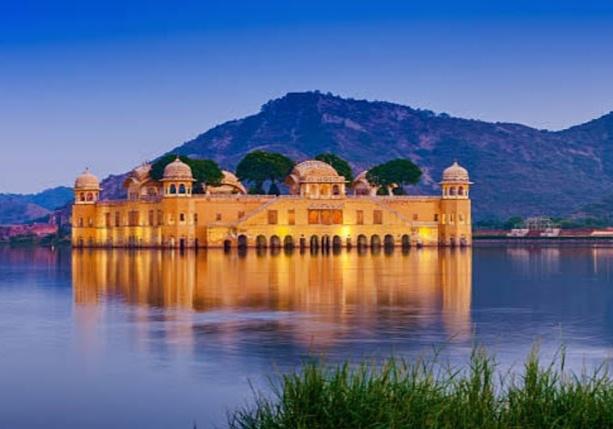
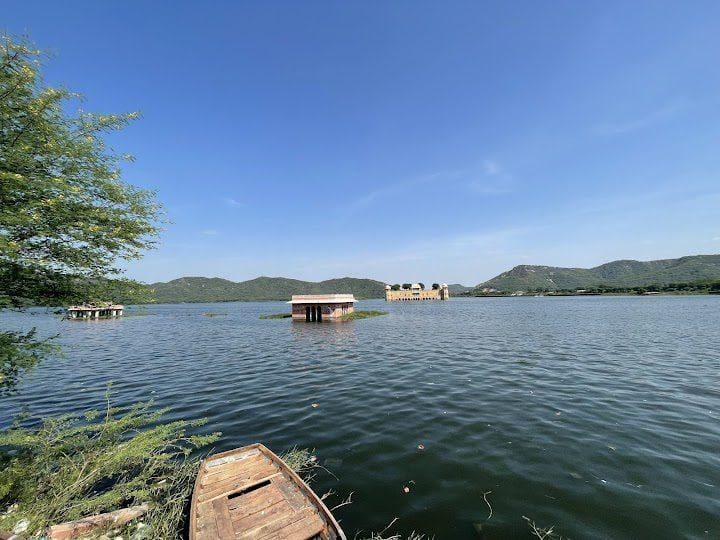
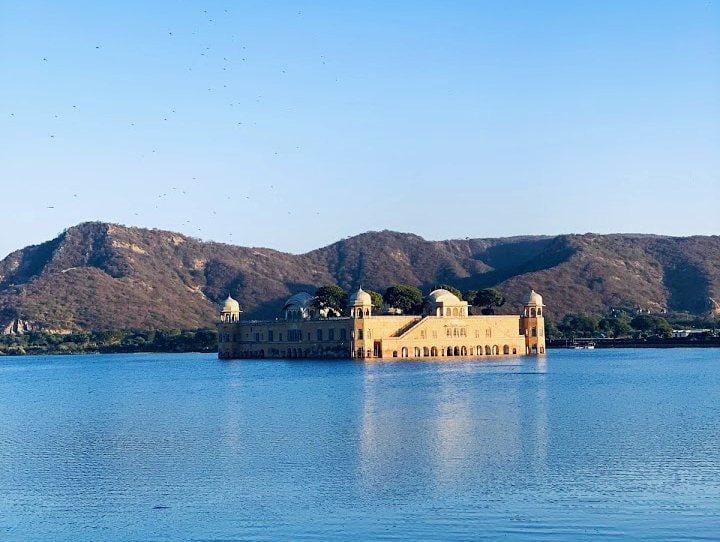
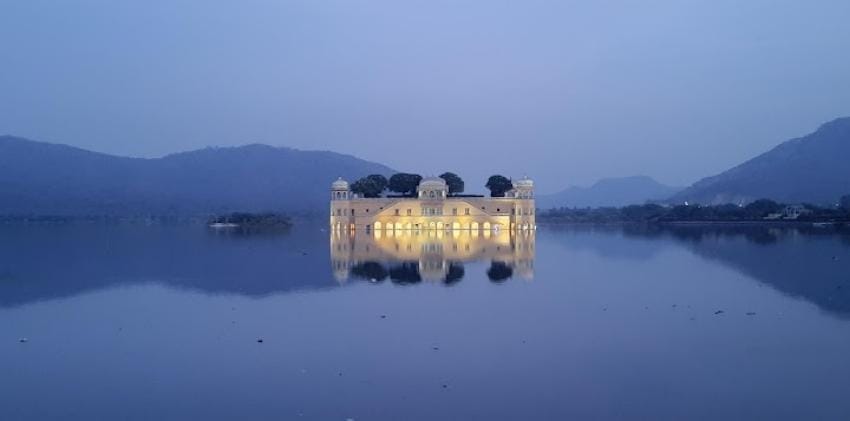
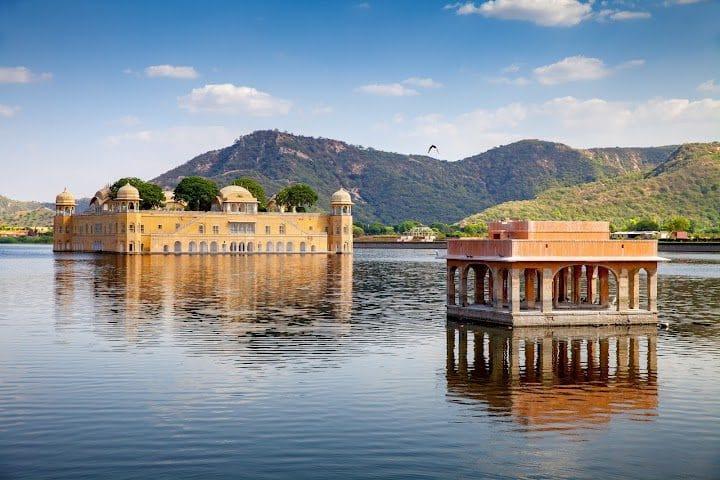
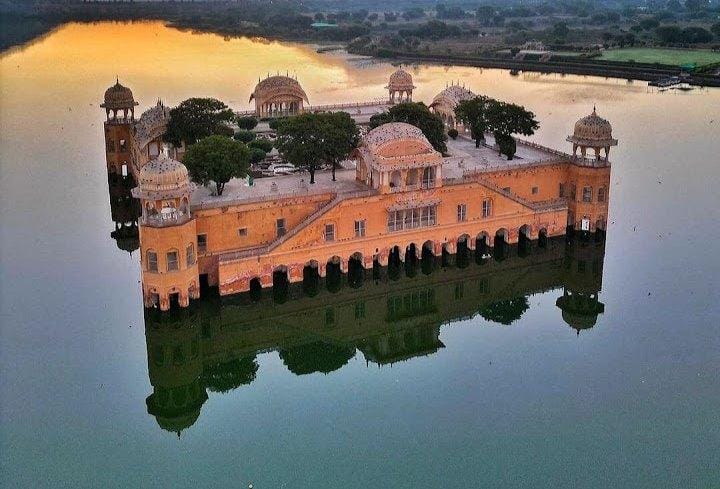
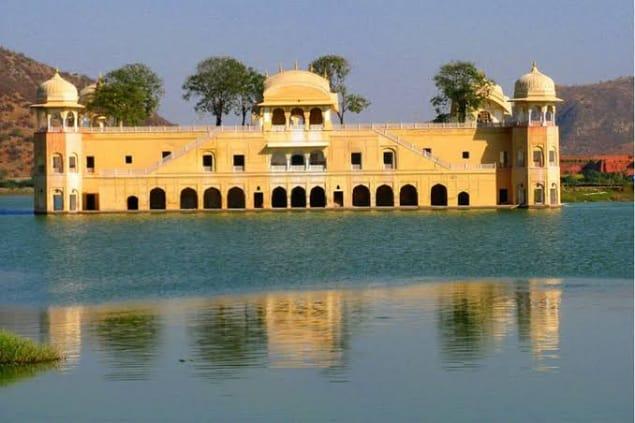
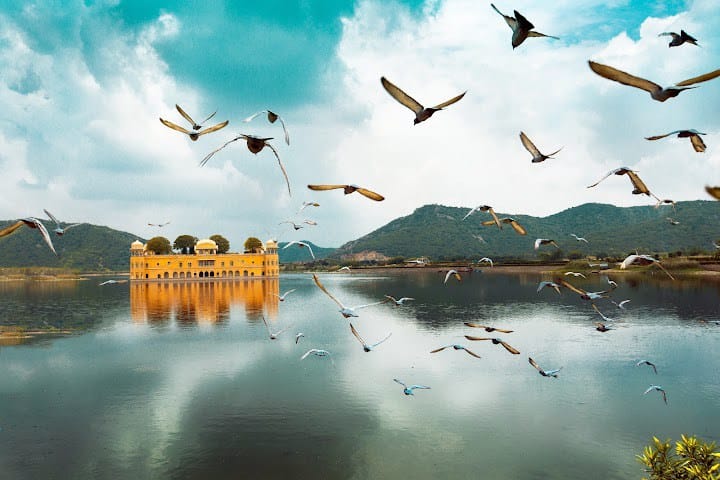
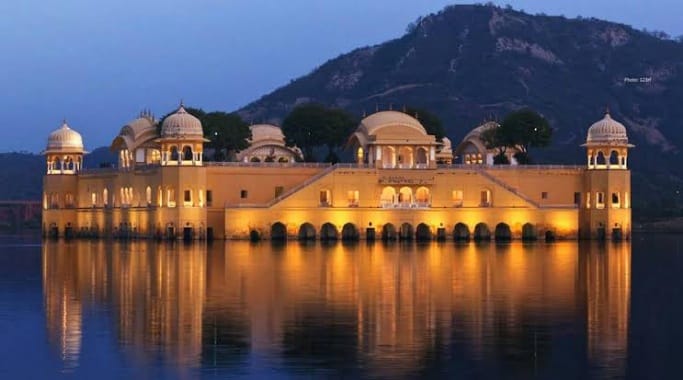
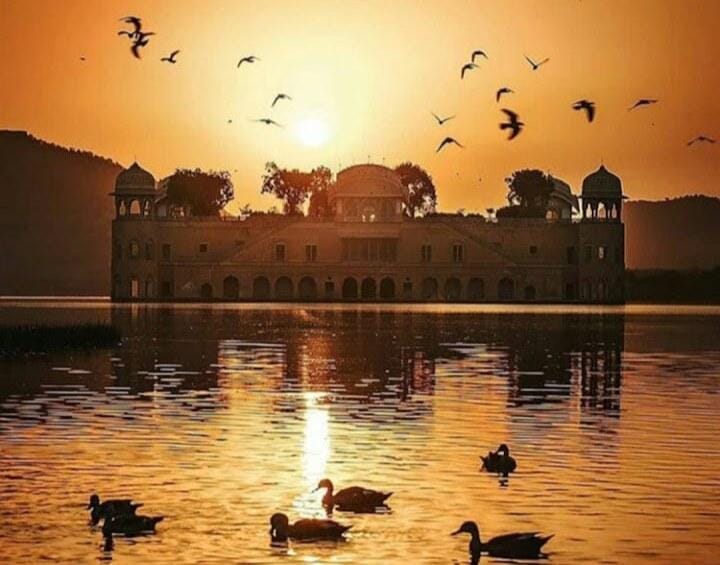
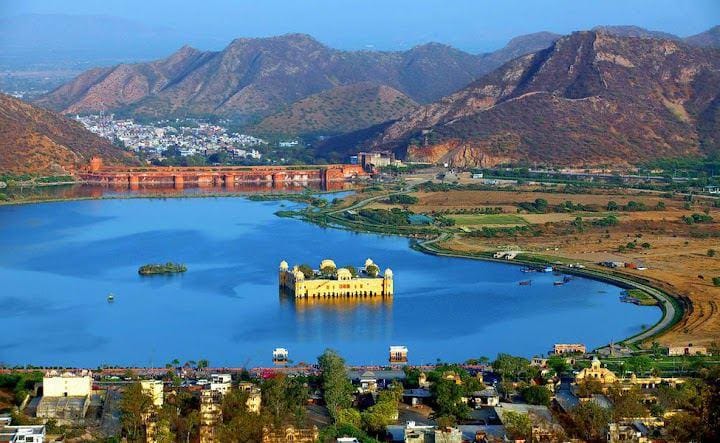
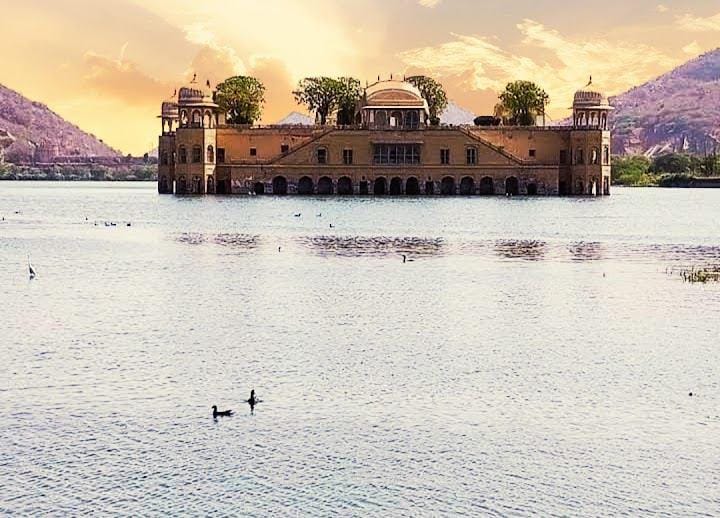
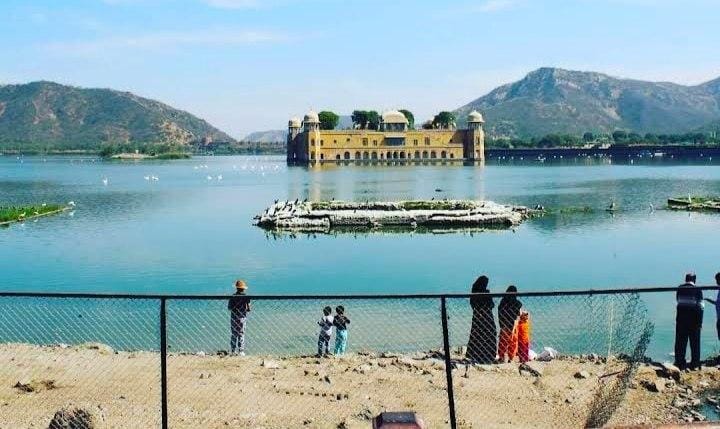
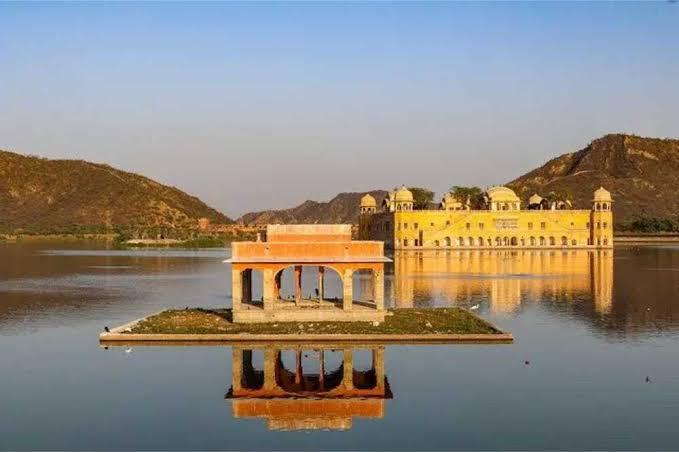
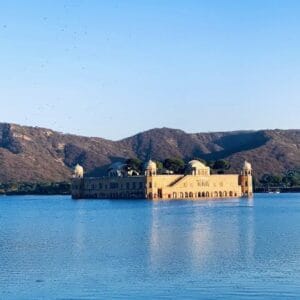
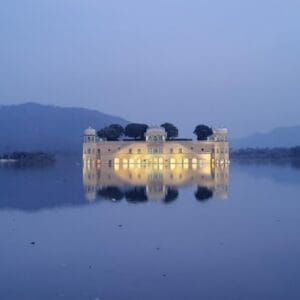
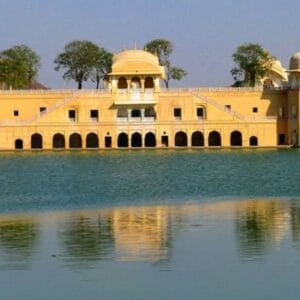
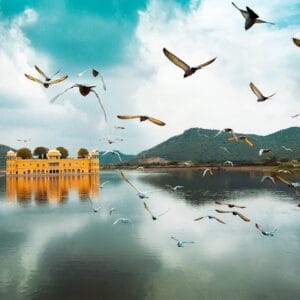
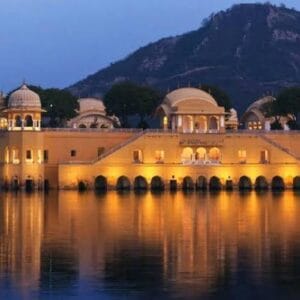
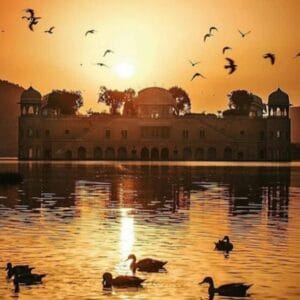
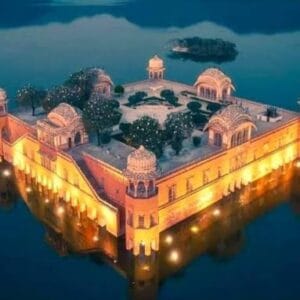
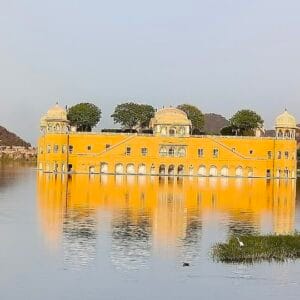
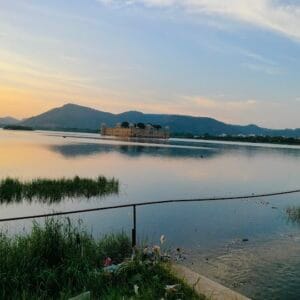
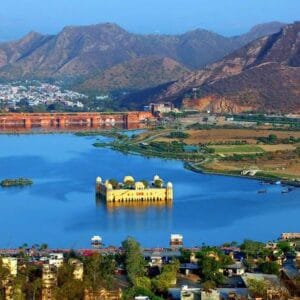
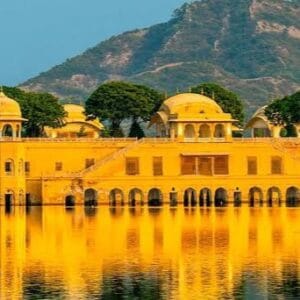
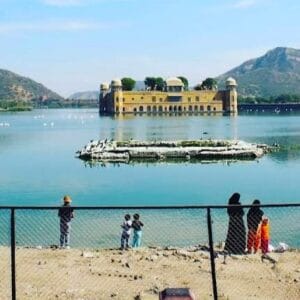
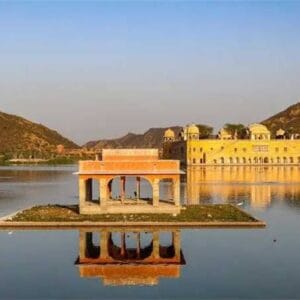
The Jal Mahal, or “Water Palace,” is one of Jaipur’s most enchanting landmarks, renowned for its serene beauty and unique location in the middle of Man Sagar Lake. This architectural gem combines Rajput and Mughal styles and stands as a testament to the ingenuity and aesthetic sensibilities of the Rajput rulers. Here’s a detailed exploration of its history, architecture, and significance:
Historical Background
- Origins and Construction:
- The Jal Mahal was originally built in 1799 by Maharaja Sawai Pratap Singh, the same ruler who commissioned the Hawa Mahal.
- However, some historical accounts suggest that the palace’s origins date back even further, with initial construction possibly undertaken by Maharaja Madho Singh I in the mid-18th century.
- The palace was primarily used as a pleasure retreat for the royal family and their guests during duck hunting expeditions and leisure outings.
- Restoration by Maharaja Jai Singh II:
- The structure and the surrounding lake were significantly renovated and expanded by Maharaja Sawai Jai Singh II in the 18th century.
- He improved the lake’s embankments and built the palace in its current form, blending Rajput and Mughal architectural styles.
- Purpose and Use:
- The Jal Mahal was never intended to be a residential palace but rather a summer retreat and a venue for royal gatherings and festivities.
- Its location in the middle of the lake provided a tranquil escape from the bustling city of Jaipur.
Architectural Marvel
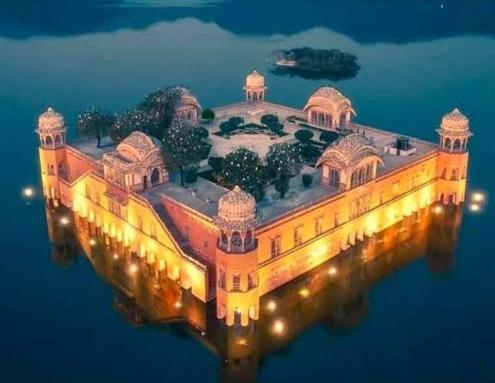
The Jal Mahal is a stunning example of Rajput and Mughal architecture, with its elegant design and strategic location making it a visual masterpiece.
- Design and Layout:
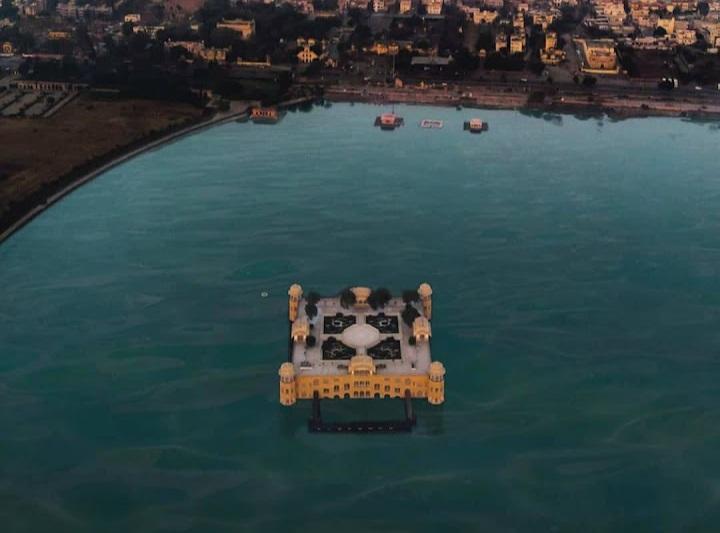
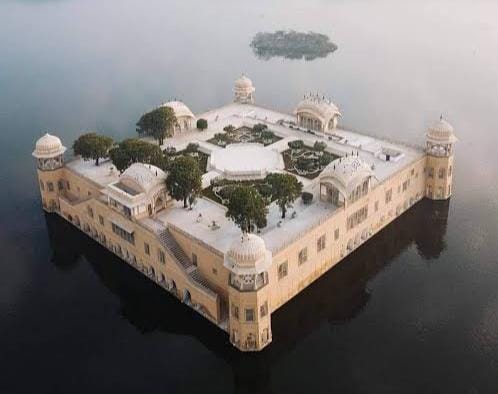
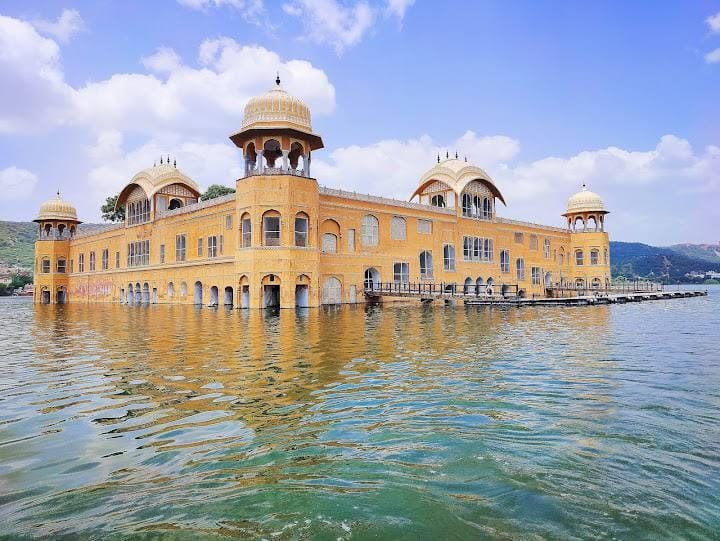
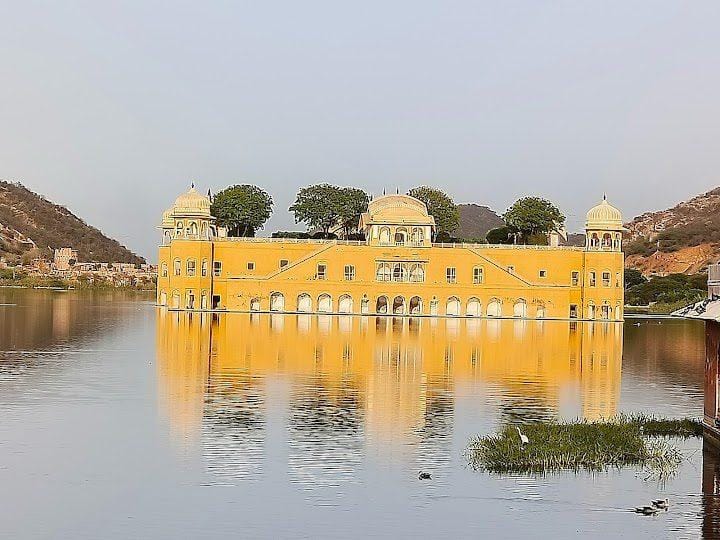
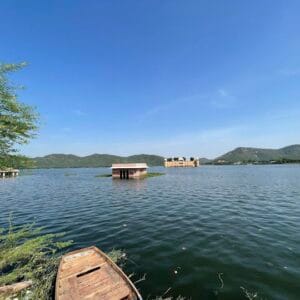
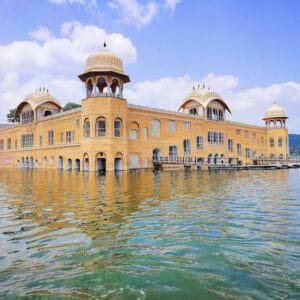
- The palace is a five-story structure, with four floors submerged underwater and only the top floor visible above the lake’s surface.
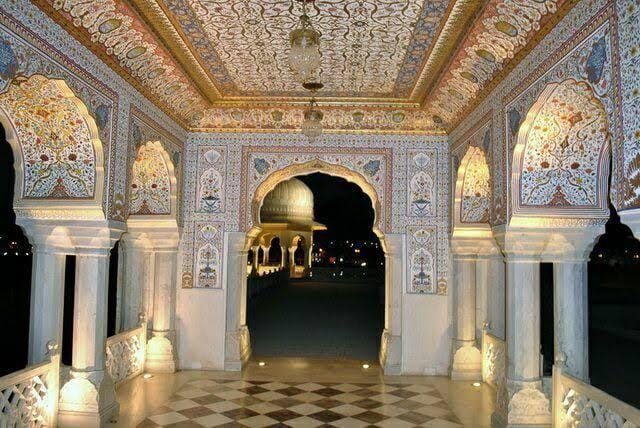
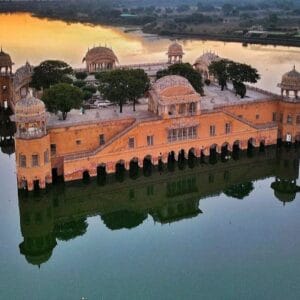
- The visible part of the palace is built in red sandstone, a hallmark of Jaipur’s architecture, and features intricate carvings and decorative motifs.
- Mughal and Rajput Influences:
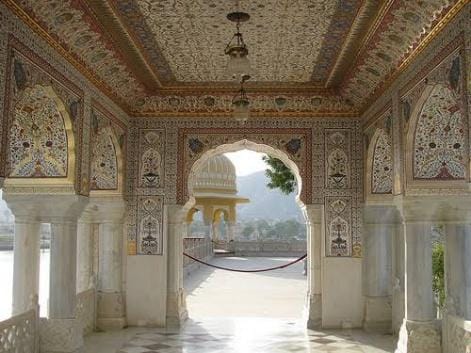
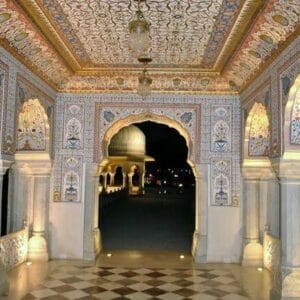
- The Jal Mahal showcases a blend of Mughal symmetry and Rajput ornamentation.
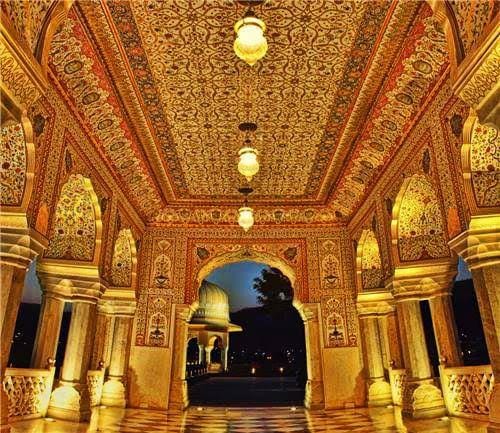
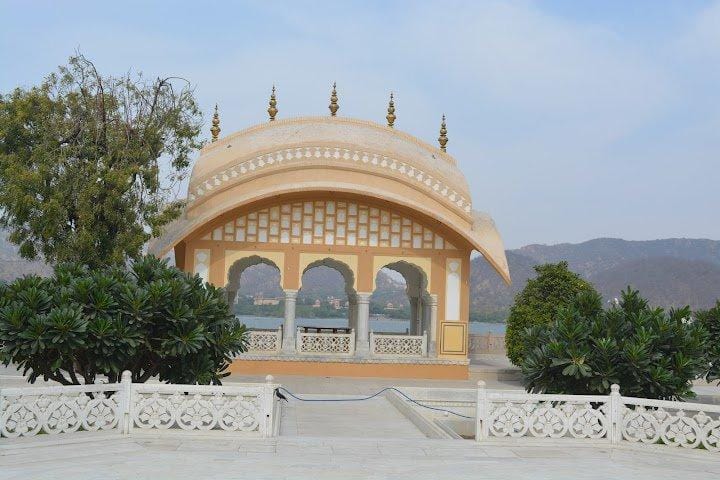
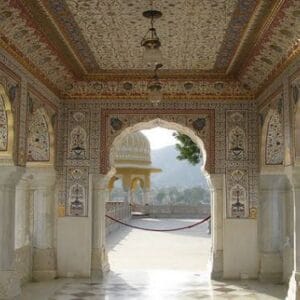
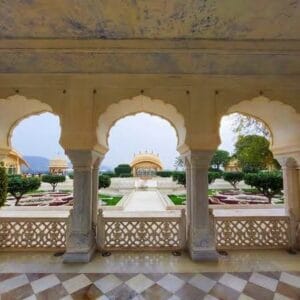
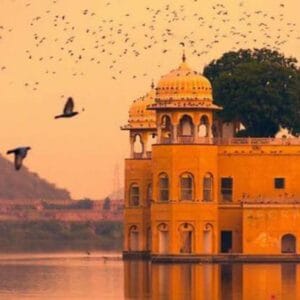
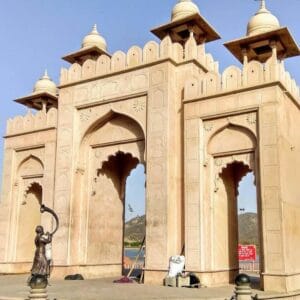
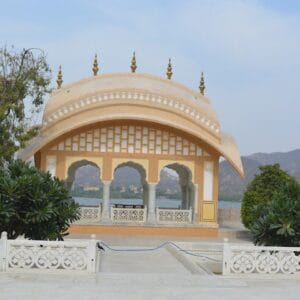
- The chhatris (domed pavilions), arched doorways, and floral patterns reflect Mughal influence, while the use of sandstone and the overall grandeur are distinctly Rajput.
- Gardens and Terraces:
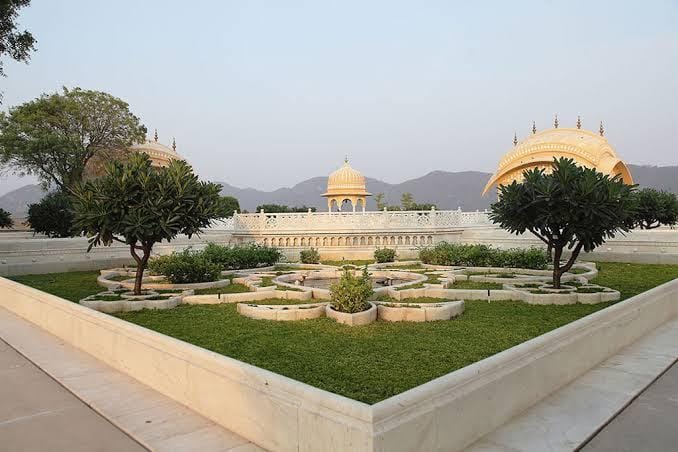
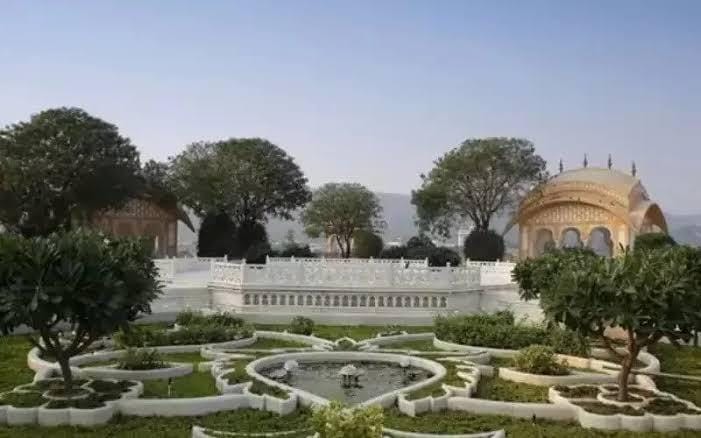
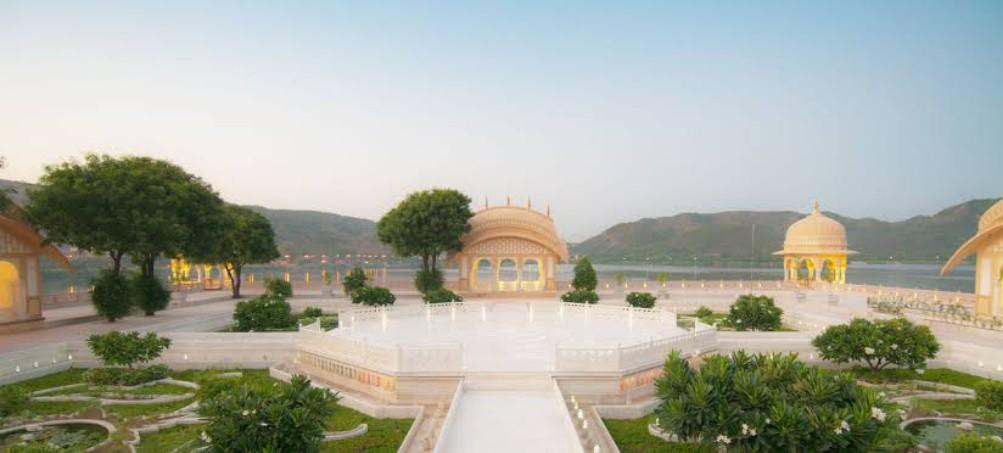
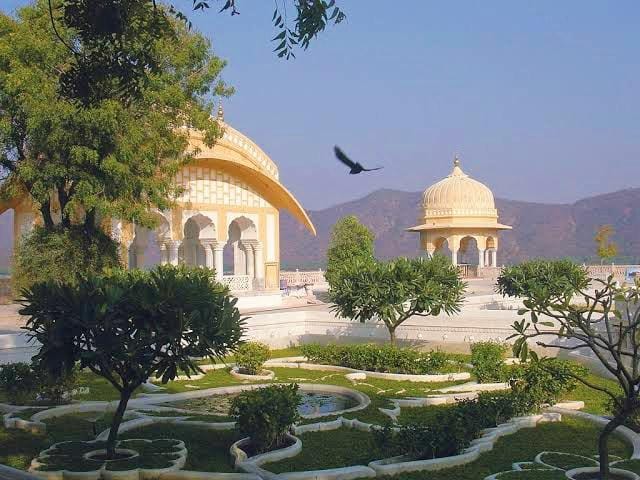
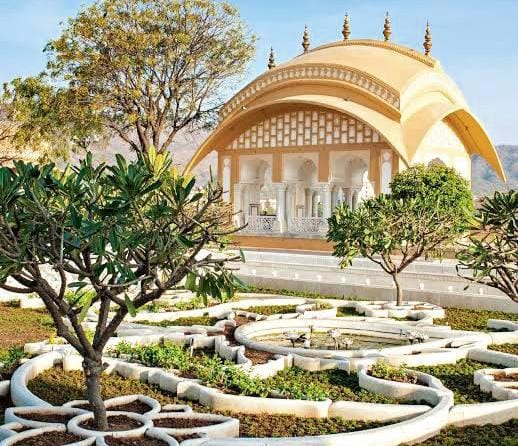
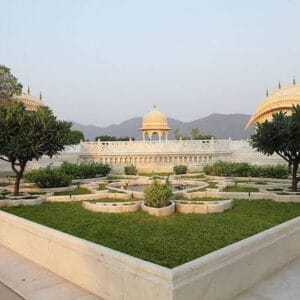
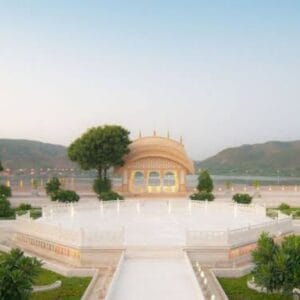
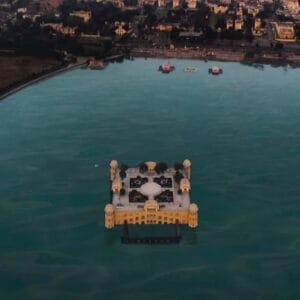
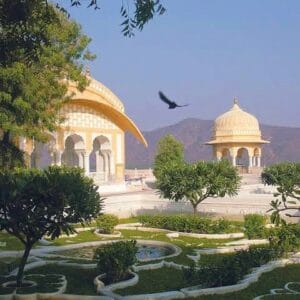
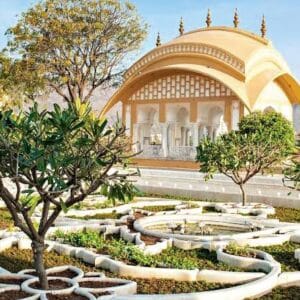
- The palace is surrounded by a terraced garden on the rooftop, which was used for royal gatherings and offered panoramic views of the lake and the surrounding Aravalli Hills.
- The garden is designed in the Mughal charbagh style, with symmetrical layouts and lush greenery.
- Lake and Ecosystem:
- The Man Sagar Lake was created by constructing a dam between two hills to store rainwater.
- The lake is home to a variety of migratory birds, making it a haven for birdwatchers and nature enthusiasts.
Cultural and Historical Significance
- Symbol of Royal Leisure:
- The Jal Mahal represents the Rajput rulers’ love for art, nature, and leisure.
- It served as a serene retreat for the royal family, away from the formalities of court life.
- Tourist Attraction:
- Today, the Jal Mahal is one of Jaipur’s most iconic landmarks, attracting tourists from around the world.
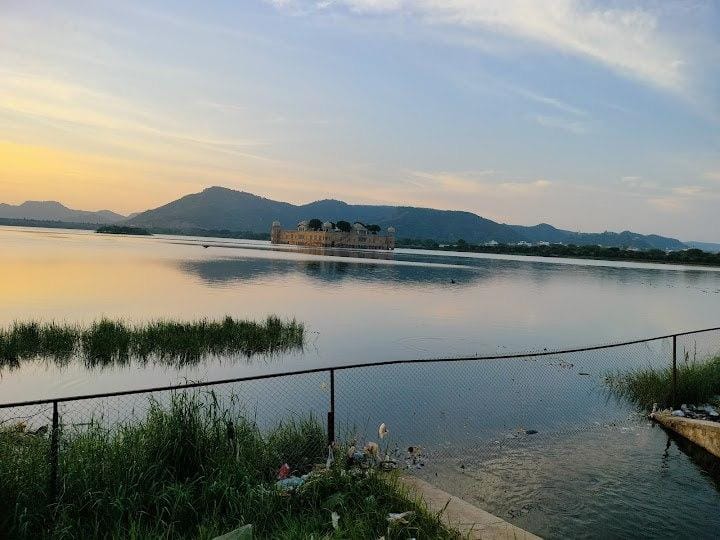
- While entry into the palace itself is restricted, visitors can enjoy breathtaking views of the palace from the lake’s banks.
- Ecological Importance:
- The Man Sagar Lake and its surrounding ecosystem are vital for the local environment, supporting biodiversity and acting as a natural water reservoir.
Restoration and Preservation
- Modern Restoration Efforts:
- Over the years, the Jal Mahal and Man Sagar Lake fell into disrepair due to neglect and pollution.
- In the early 2000s, the Rajasthan government initiated a restoration project to revive the lake and preserve the palace.
- The lake was cleaned, and measures were taken to prevent further pollution, ensuring the preservation of this historical site.
- Challenges:
- Despite restoration efforts, the Jal Mahal remains closed to the public due to structural concerns and ongoing conservation work.
- However, the palace’s exterior continues to captivate visitors, and plans for its eventual reopening are in progress.
Interesting Facts About Jal Mahal
- The submerged floors of the Jal Mahal are believed to have housed royal chambers and servants’ quarters.
- The palace is designed to withstand water pressure, with its foundation and walls built to remain stable even when submerged.
- The Man Sagar Lake is home to over 150 species of migratory and resident birds, making it a popular spot for birdwatching.
Conclusion
The Jal Mahal is a remarkable fusion of natural beauty and architectural brilliance. Its serene location in the middle of Man Sagar Lake, combined with its elegant design, makes it a symbol of Jaipur’s royal heritage and a testament to the Rajput rulers’ love for art and nature. While the palace itself remains off-limits to visitors, its enchanting exterior continues to inspire awe and admiration. The Jal Mahal stands as a timeless reminder of Jaipur’s glorious past and its enduring cultural legacy.





Reviews
There are no reviews yet.