Summary
Raj Yoga School, founded in 2015 in Goa, is a renowned Yoga Teacher Training institute blending traditional Indian yoga with modern wellness practices. It offers Yoga Alliance-certified courses (100hr–500hr) in Hatha, Ashtanga, and Meditation, attracting global students. Known for its authenticity, small batch sizes, and holistic approach.
Location
- Near Shiv Krupa General Store, Khalcha Wada, Arambol Beach Road, Arambol, Goa 403524
⬇️Tap on “View larger map” to get Direction
Full Story
Raj Yoga School represents a thoughtfully grown institution rooted in classical yoga, shaped by qualified leadership, and celebrated for its inclusive, in-depth teacher training—impacting a global student base with authenticity and heart.
Here’s a detailed history of Raj Yoga School:
1. Introduction & Founding
Raj Yoga School is a renowned Yoga Teacher Training (YTT) institution located in Goa, India, with additional courses held in Dharamshala, Himachal Pradesh.
Founded in July 2015 by experienced yoga instructors Rajinder Kaushal and Bharat Tilekar, the school emerged during a global rise in yoga tourism.
Their vision was to create a center that merged authentic yogic tradition with modern wellness practices, offering certified teacher training courses in a serene, coastal environment.
2. Influence of Goa’s Yoga & Hippie Culture
Since the 1960s–70s, Goa has attracted spiritual seekers, artists, and hippies drawn to its natural beauty and freedom.
By the 1990s and 2000s, North Goa (Arambol, Anjuna, Mandrem) evolved into a global yoga hotspot with numerous ashrams, healing centers, and TTCs.
Raj Yoga School was founded during this spiritual tourism wave and positioned itself as a structured yet holistic training school, offering multi-style yoga including Hatha, Ashtanga, Vinyasa, Pranayama, and Meditation.
3. Growth & Recognition
Raj Yoga School quickly earned a reputation for delivering quality Yoga Alliance-certified training programs, notably:
These programs drew students from around the world — including Europe, the USA, Russia, Israel, and South America — who sought authentic Indian training at an affordable price, set against Goa’s peaceful beaches.
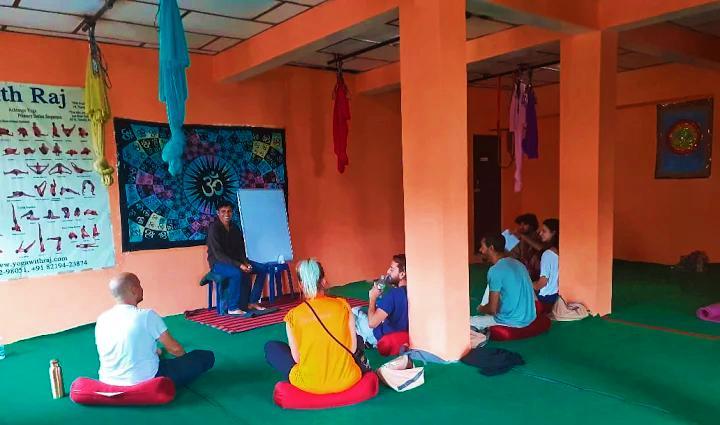
With time, the school expanded its curriculum to include Ayurveda, Sanskrit chanting, yogic philosophy, cleansing kriyas, and teaching methodology.
4. Teaching Methodology & Philosophy
Traditional Roots: Strong emphasis on classical Hatha Yoga, Ashtanga Vinyasa, and the Yoga Sutras of Patanjali.
Modern Integration: Includes vinyasa sequencing, body alignment, injury prevention, and functional anatomy.
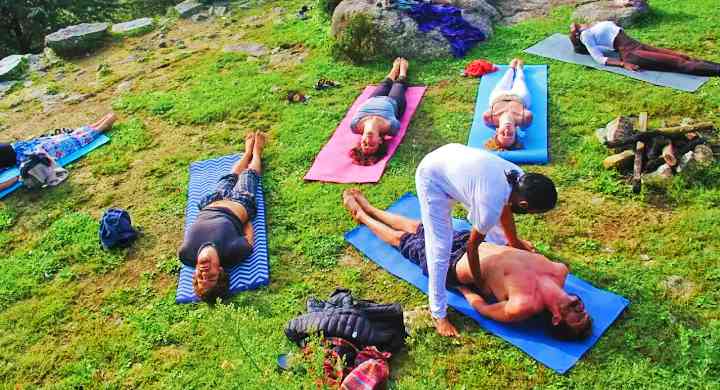
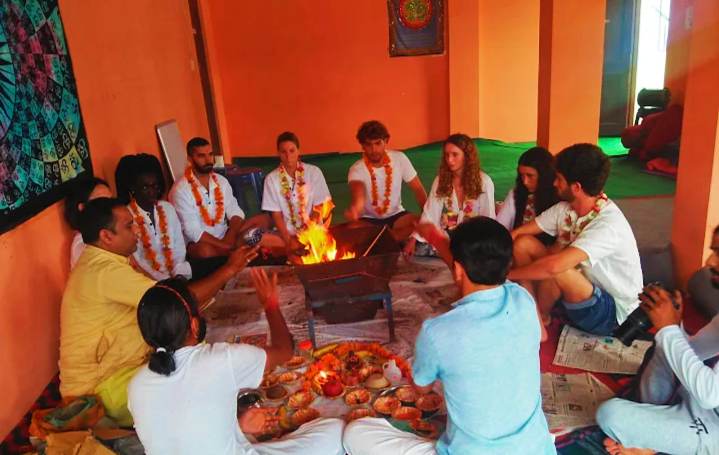
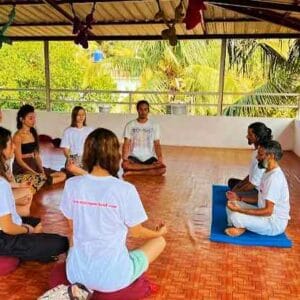
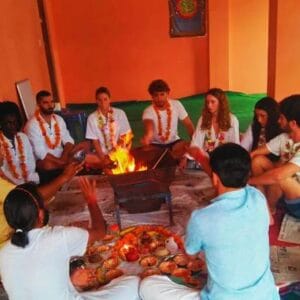
Holistic Approach: Focus on nurturing the student’s mind, body, and spirit. Classes often integrate meditation, mantra, pranayama, and daily yogic rituals.
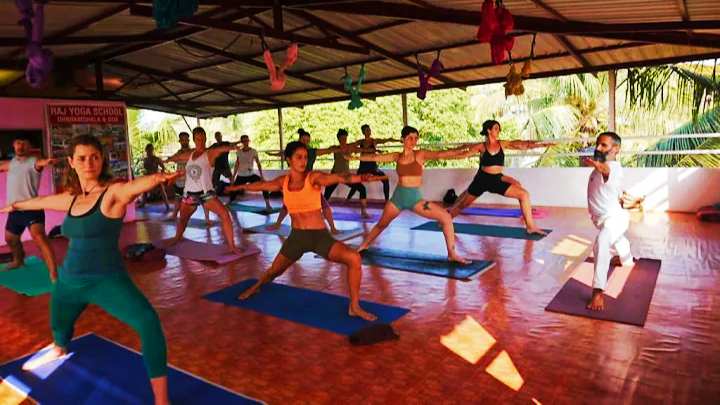
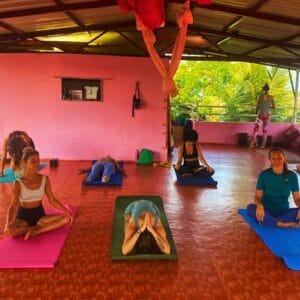
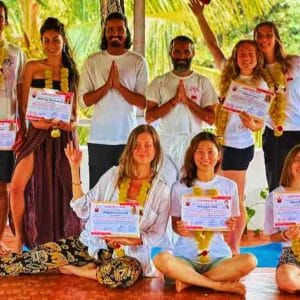
The school limits batch sizes (typically 10–25 students per group) to ensure personalized attention, making it ideal for beginners and advanced practitioners alike.
5. Impact on Goa’s Yoga Scene
Raj Yoga School helped reinforce Goa’s status as a global center for yoga teacher training.
Inspired several new yoga schools in North Goa to adopt similar structured TTC models.
Promoted yoga education in quieter villages like Mandrem and Ashwem, spreading tourism benefits to local communities.
Created a strong alumni network of certified yoga teachers contributing globally to wellness and education.
6. Challenges & Evolution
Rising Competition: The growth of new yoga schools in Goa led to greater competition and a need to stay authentic and innovative.
Maintaining Quality: Despite increasing demand, the school maintained high teaching standards and small batches.
COVID-19 Pandemic: Like many wellness institutions, the school faced temporary closures. However, post-pandemic, there was a notable resurgence in enrollment due to renewed interest in health and inner well-being.
Raj Yoga School adapted with hybrid models, flexible dates, and updated safety protocols, ensuring a strong comeback.
Conclusion
Raj Yoga School has significantly contributed to the yoga education movement in Goa by combining ancient yogic wisdom with modern, internationally recognized training systems.
Its foundation rests on authentic teachings, spiritual integrity, and a community-based approach to learning.
Despite facing industry saturation and global challenges, the school continues to thrive by staying true to its roots while evolving with the times.
Its graduates now teach across the world, carrying forward a legacy that keeps Goa at the spiritual heart of the global yoga movement.
Ticket fee details for Raj Yoga School:
Raj Yoga School does not have a general entry ticket like tourist attractions. Instead, it offers fee-based yoga programs and classes. Here’s a breakdown of all types:
1. Drop-In Yoga Classes (Per Class Fees)
| Class Type | Duration | Fee (Approx.) |
|---|
| Hatha Yoga & Pranayama | 90 minutes | ₹300–₹500 |
| Ashtanga / Vinyasa Flow | 75–90 minutes | ₹300–₹500 |
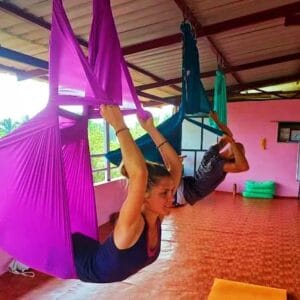
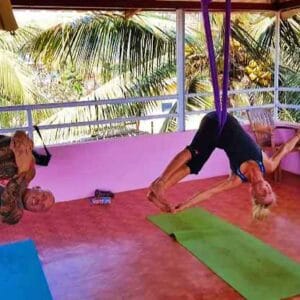
| Aerial Yoga | 60 minutes | ₹600–₹800 |
| Meditation (Evening) | 60 minutes | ₹200–₹300 |
Drop-in classes are open to all, no registration required—but aerial & meditation need pre-booking.
2. Yoga Teacher Training Course (TTC) Fees
| Course Type | Duration | Fee (Approx.) |
|---|
| 100-hour TTC | 12–14 days | ₹45,000–₹55,000 |
| 200-hour TTC | 24–28 days | ₹65,000–₹85,000 |
| 300-hour TTC | 30+ days | ₹90,000–₹1,10,000 |
| 500-hour Combined TTC | 50–60 days | ₹1,40,000–₹1,60,000 |
All TTC fees typically include accommodation, meals, study materials, and certification (Yoga Alliance USA).
3. Custom Retreats / Private Sessions
Custom yoga or wellness retreats (on request): ₹1,500–₹3,000 per day
Private yoga sessions: ₹1,000–₹2,000 per hour (depending on teacher and style)
Things to Do at Raj Yoga School:
1. Yoga Classes & Teacher Training
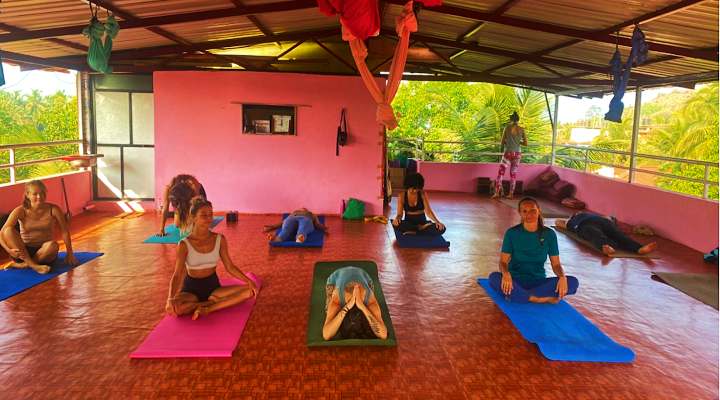
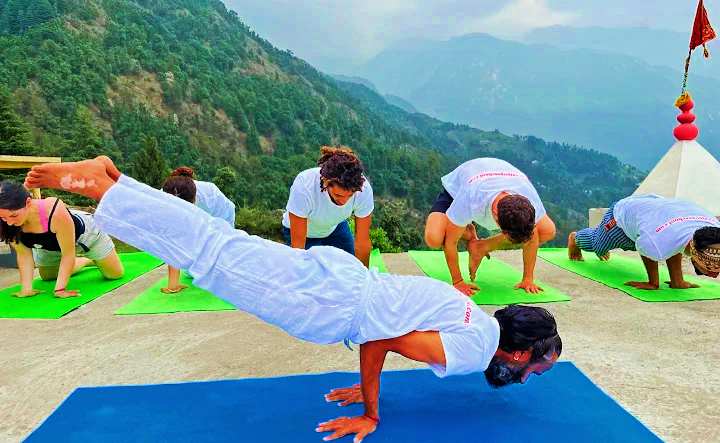
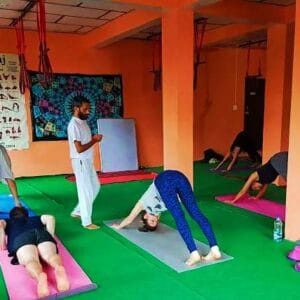
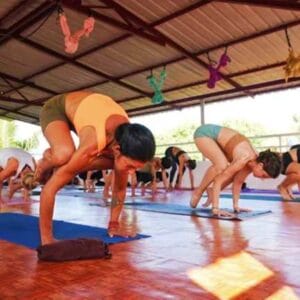
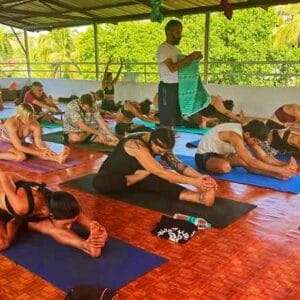
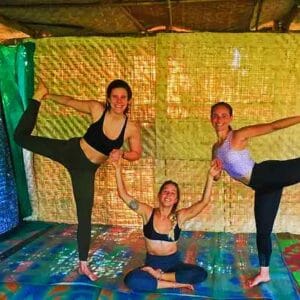
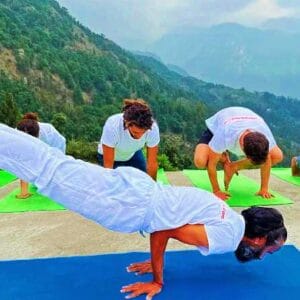
Join drop-in yoga classes (Hatha, Vinyasa, Ashtanga)
Enroll in 100–500 hour Yoga Teacher Training Courses (TTC)
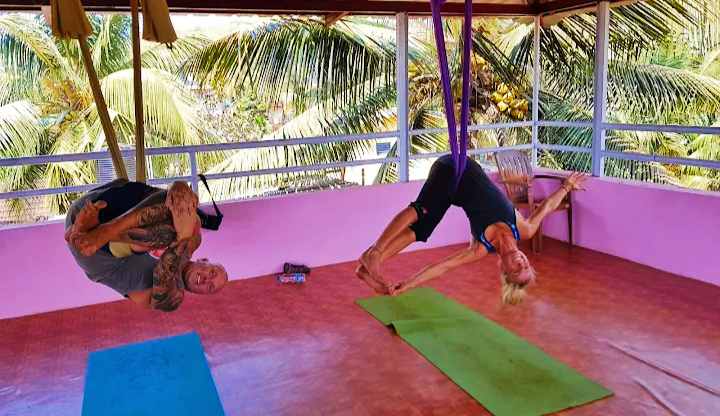
Practice Aerial Yoga (pre-booking required)
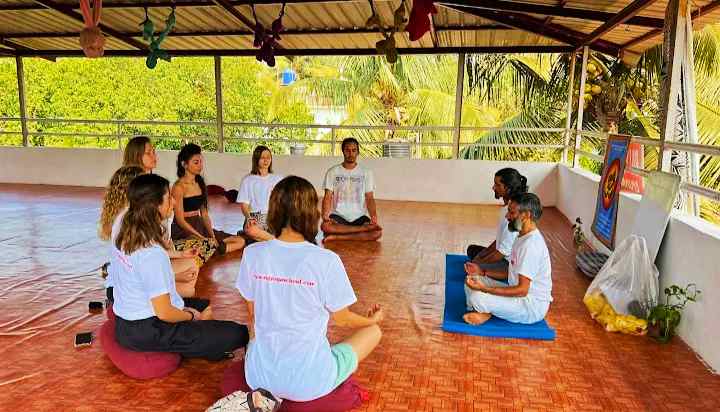
2. Pranayama & Meditation
3. Yoga Philosophy & Lifestyle
Attend sessions on Yoga Sutras, Bhagavad Gita, and yogic living
Explore Sanskrit chanting, mantra recitation, and cleansing kriyas
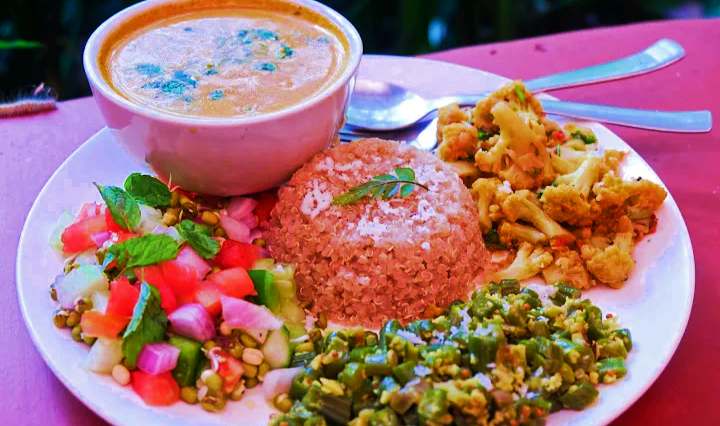
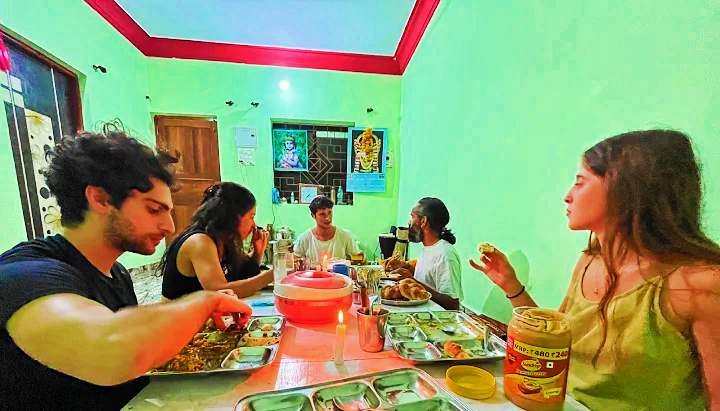
4. Yogic Meals & Wellness
5. Explore Surroundings
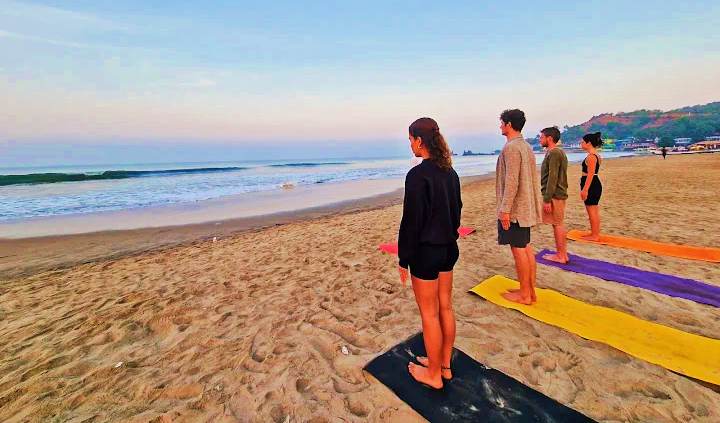
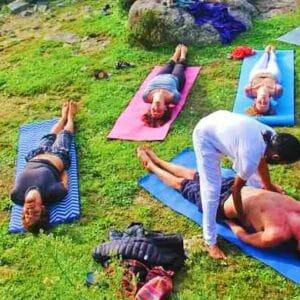
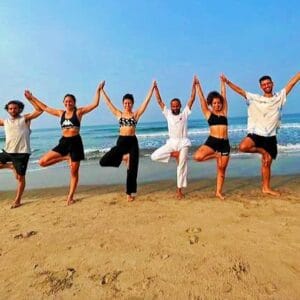
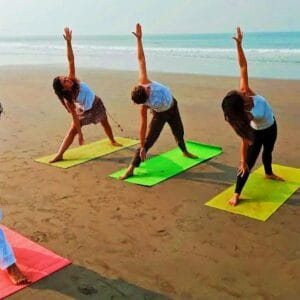
Visit nearby Arambol Beach, Mandrem Beach, or attend local wellness events
Take part in sunset meditations, beach walks, or nearby music circles
Travel Tips:
1. Book Travel in Advance
Best to visit between November and March
Book flights, trains, and accommodations early—it’s peak yoga season in Goa
2. Pack Smart
Bring comfortable yoga clothes, light shawl, reusable water bottle, and flip-flops
Carry mosquito repellent, sunscreen, and light cottons for tropical weather
3. Arrive a Day Early
4. Internet & SIM
5. Payments & Currency
Carry some cash (INR) for small shops, cafes, or local taxis
Most yoga schools and hostels accept UPI, Paytm, Google Pay, or credit/debit cards
6. Local Travel
7. Respect the Yoga Space
Avoid loud behavior, smoking, and alcohol during your stay
Be punctual and attend classes with a clean body and calm mind
How to Reach:
By Air:
Nearest Airport: Goa International Airport (Dabolim) – ~60 km
New Option: Manohar International Airport (Mopa) – ~30 km (closer to Arambol)
Transport: Take a taxi (~₹1500–₹2000) or pre-book a cab to Arambol
By Train:
Nearest Railway Station: Pernem (PNM) – ~16 km from Arambol
Other options: Thivim (28 km), Madgaon (75 km)
From Station: Take a local taxi, auto-rickshaw, or pre-booked cab
By Road:
Regular buses available to Mapusa or Pernem from major Goa towns
From Mapusa/Pernem, take a taxi or rickshaw to Arambol
Private car or self-drive also works well (ample two-wheeler parking)
By Local Transport:
Taxi apps: Use GoaMiles or pre-paid taxi services
Scooter rental: ₹300–₹400/day, ideal for exploring
Local bus: Limited frequency to Arambol, budget-friendly but slower
Rickshaws: Available near beaches and market areas
1. Minimum Traveling Budget
This budget is ideal for backpackers or solo travelers who prioritize essentials.
| Category | Details | Estimated Cost (INR) |
|---|
| Transport | Local bus, shared cab, or scooter rent | ₹100 – ₹300 |
| Yoga Class | Drop-in Hatha or Vinyasa class | ₹300 – ₹500 |
| Meals | Local veg thali / café food | ₹200 – ₹300 |
| Snacks/Water/Misc. | Light spending during the day | ₹100 |
Minimum Budget (Per Day – Per Person): ₹800 to ₹1,200
Tips:
Use public buses or shared cabs to save money
Eat at local thali restaurants or school canteens
Book drop-in yoga only, skip extras like aerial/private sessions
2. Medium Traveling Budget
Ideal for couples, families, or comfortable solo travelers seeking balanced comfort and convenience.
| Category | Details | Estimated Cost (INR) |
|---|
| Transport | Private taxi, rented scooter with fuel | ₹300 – ₹600 |
| Yoga Class | Drop-in class or short workshop | ₹400 – ₹700 |
| Meals | Healthy café meals (2–3 times a day) | ₹400 – ₹600 |
| Snacks/Drinks | Fresh juice, coffee, water | ₹100 – ₹200 |
| Extras | Small purchases, tip, or local shopping | ₹100 – ₹200 |
Total Medium Budget
(Per Day – Per Person) | | ₹1,300 – ₹2,300 |
Suitable For:
Travelers seeking comfort + flexibility
Want to enjoy quality meals, better travel, and optional extras
3. Large Traveling Budget
Perfect for Luxury Experience who prefer high-end accommodations, private transport, and fine dining.
| Category | Details | Estimated Cost (INR) |
|---|
| Transport | Private cab or chauffeur-driven car | ₹800 – ₹1,500 |
| Yoga Sessions | Private session, aerial yoga, or extended drop-in workshop | ₹800 – ₹1,500 |
| Meals | Gourmet vegetarian/vegan meals in premium cafes | ₹600 – ₹1,000 |
| Wellness Add-ons | Massage, Ayurveda, reiki, or spa treatments | ₹1,000 – ₹2,000 |
| Shopping/Extras | Yoga gear, books, local crafts, etc. | ₹500 – ₹1,000 |
| Luxury Stay (Optional) | Boutique hotel/resort (1 night) | ₹3,000 – ₹6,000 |
| Total Large Budget (Per Day – Per Person) | | ₹4,500 – ₹11,000+ |
Suitable For:
Visitors wanting a wellness retreat experience
Includes private sessions, spa, and luxury dining/accommodation















Reviews
There are no reviews yet.