
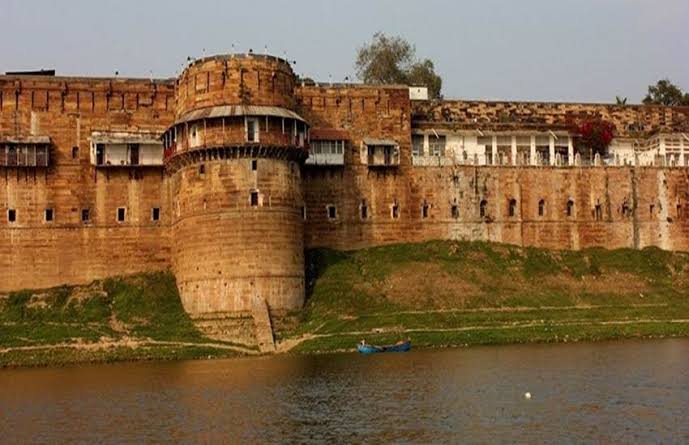
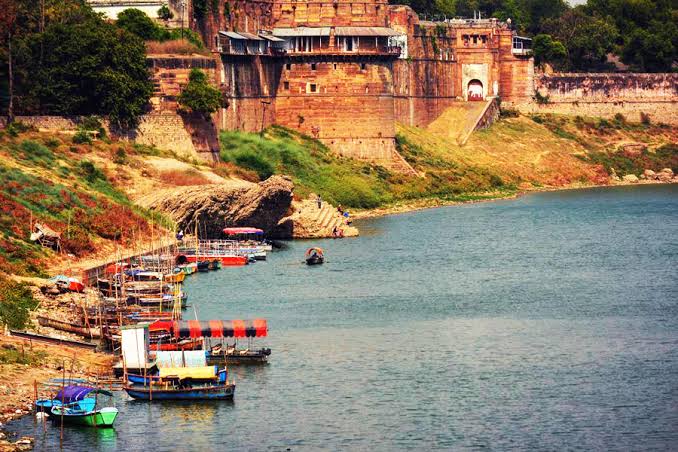
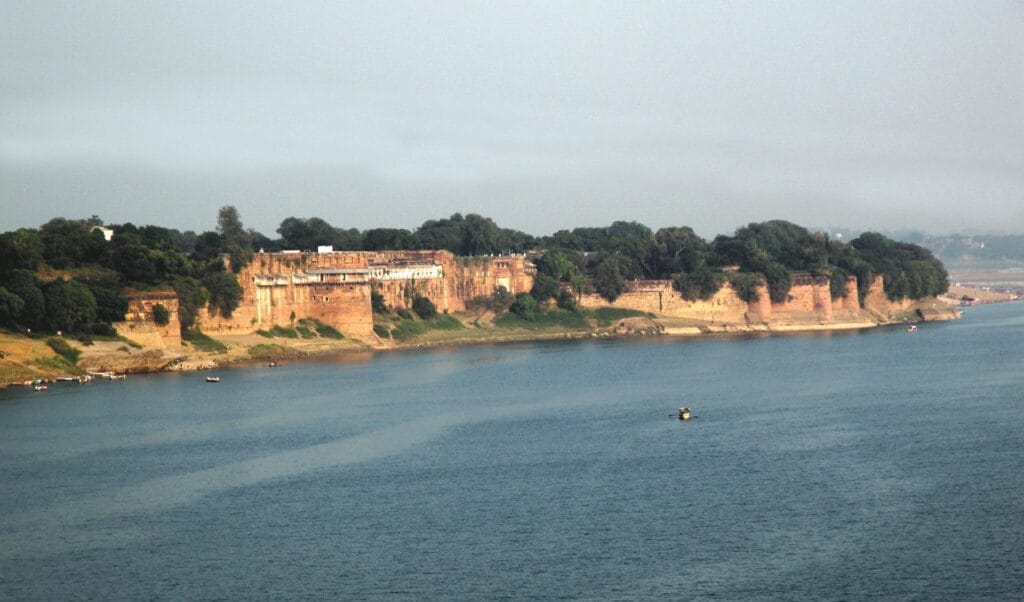
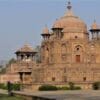
The Akbar Fort in Prayagraj (formerly Allahabad), Uttar Pradesh, is a prominent historical landmark built by the Mughal Emperor Akbar in 1583. Located on the banks of the confluence of the Ganga, Yamuna, and the mythical Saraswati rivers (the Triveni Sangam), the fort is a fine example of Mughal architecture and a symbol of the empire’s strategic prowess and architectural innovation.
Here is a detailed overview:
History and Significance
- Construction:
- The fort was commissioned by Emperor Akbar in 1583 as a strategic military base to strengthen Mughal control over northern India.
- It served as a key fortification to secure Akbar’s empire in the eastern regions and was a center of administrative activities.
- Strategic Location:
- Situated near the Triveni Sangam, the fort controlled access to the rivers, making it crucial for trade, defense, and transportation during Mughal rule.
- Historical Importance:
- The fort played a significant role during the Mughal, Maratha, and British eras.
- After the decline of the Mughal Empire, the fort came under British control in 1798. It was later used as a military base by the British East India Company.

Architecture
- Design and Layout:
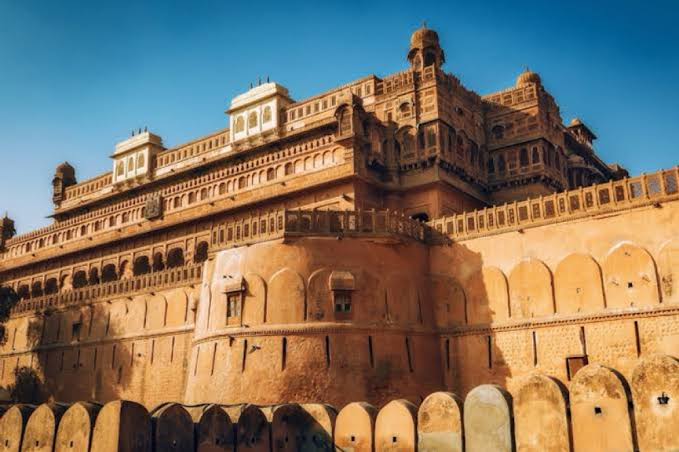
- The fort is built in the Indo-Islamic architectural style, combining Persian and Indian elements.
- It is constructed with red sandstone, a hallmark of Mughal architecture.
- It features massive walls, bastions, and three grand gateways.
- Structures within the Fort:
- Ashoka Pillar:
- The fort houses a 35-foot-high sandstone pillar dating back to the Mauryan period (3rd century BCE). Emperor Ashoka’s edicts are inscribed on this pillar.
- Ashoka Pillar:
- Saraswati Koop:
- A sacred well believed to be the source of the mythical Saraswati River.
- Patalpuri Temple:
- An ancient underground temple dedicated to Hindu deities, showcasing the region’s syncretic culture.
- Jodhabai Mahal:
- A palace believed to have been used by Akbar’s Rajput queen.
- Artillery and Defense:
- The fort’s design included strategically placed cannons, moats, and storage for weapons to defend against invaders.
Current Status
- Archaeological Importance:
- The fort is a protected monument under the Archaeological Survey of India (ASI).
- Access to the Public:
- A significant portion of the fort is under the control of the Indian Army and is not open to the general public.
- However, visitors can access certain parts, such as the Ashoka Pillar, Patalpuri Temple, and Saraswati Koop during specific festivals or events.
- Kumbh Mela Connection:
- During the Kumbh Mela, a massive Hindu pilgrimage held every 12 years, the fort becomes a focal point for visitors due to its proximity to the Triveni Sangam.
Cultural and Religious Importance
- The Akbar Fort is closely associated with the Hindu pilgrimage tradition at the Triveni Sangam.
- It serves as a reminder of India’s syncretic past, blending Mughal, Hindu, and Mauryan influences.
Tourist Information
- Location:
- Near the Triveni Sangam, Prayagraj, Uttar Pradesh.
- Approximately 7 km from Prayagraj Junction Railway Station.
- Best Time to Visit:
- October to March is ideal for visiting Prayagraj due to pleasant weather.
- The fort sees a surge in visitors during events like the Magh Mela and Kumbh Mela.
- Entry:
- Visitors are required to follow the guidelines of the Indian Army and ASI as some sections are restricted.
The Akbar Fort remains a testament to the rich cultural and historical heritage of India and continues to draw tourists, historians, and pilgrims from across the world.


2 comments
TRY TO
Fantastic goods from you, man. I’ve understand your stuff previous to and you are just too
fantastic. I actually like what you have acquired here, certainly like what you
are stating and the way in which you say it. You make it entertaining and you still care for to keep it sensible.
I cant wait to read far more from you. This is actually a tremendous
web site.
0110pankajg@gmail.comAuthor
Thank you so much for your wonderful comment! I truly appreciate your kind words and support. I’m glad to hear that you enjoy my content and find it entertaining yet sensible. Your feedback motivates me to keep doing my best. Looking forward to sharing more with you!