




















Summary
Location
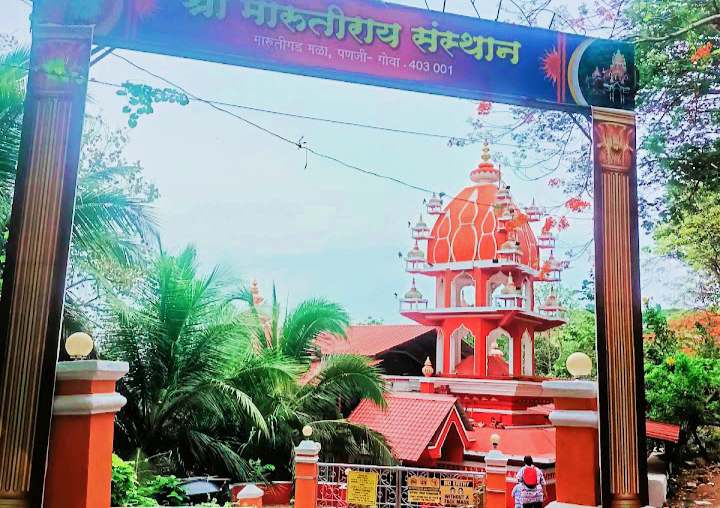
- Altinho Hill, Near Fontainhas, Panjim (Panaji), Goa – 403001
⬇️Tap on “View larger map” to get Direction
Full Story
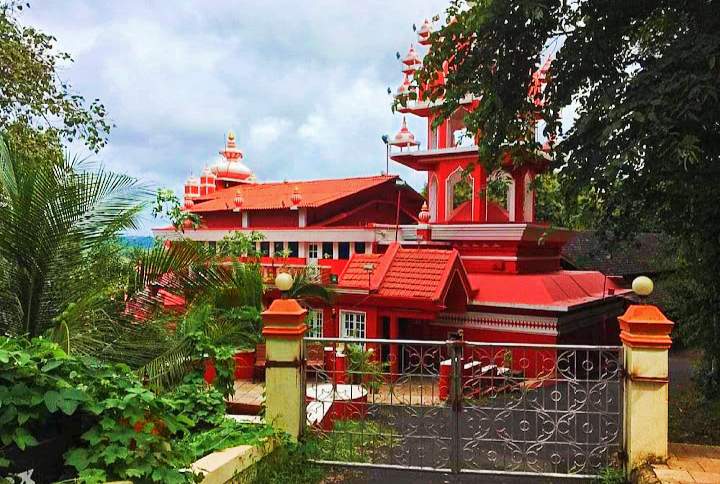
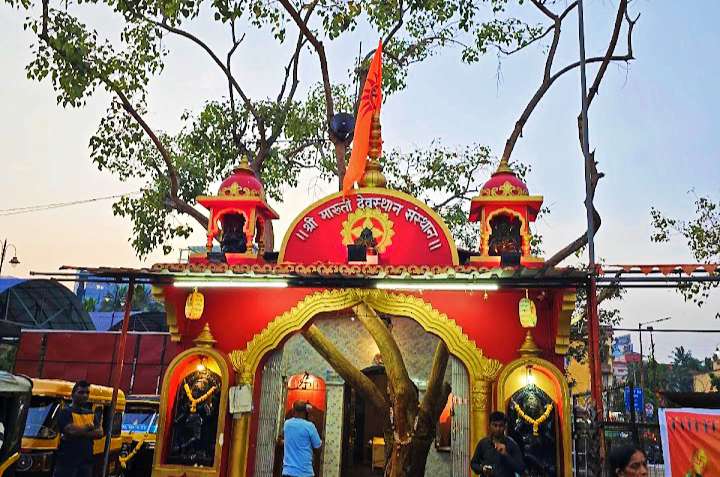
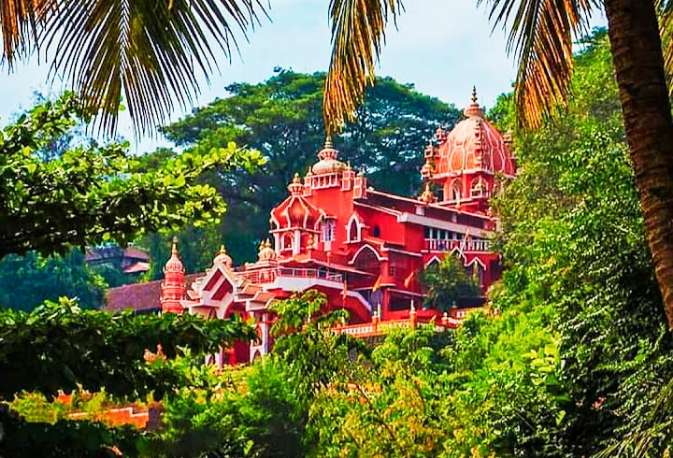
The Maruti Temple (also known as Shri Maruti Mandir) located on Altinho Hill, near Fontainhas, Panjim (Panaji), Goa, is one of the most prominent Hanuman temples in the region. Below is a detailed historical account of this temple:
1. Origins & Early History
- The Maruti Temple is believed to have been originally built during the Kadamba dynasty (10th–14th century) when Hinduism was flourishing in Goa.
- Some historians suggest that the temple was later relocated to Altinho Hill during the Portuguese colonial era (1510–1961) to protect it from destruction.
- The Portuguese imposed strict anti-Hindu policies, leading to the demolition of many temples. Devotees often moved idols to safer locations, and the Maruti idol may have been shifted to Altinho during this time.
2. Portuguese Era & Secrecy
- During the Inquisition (1560–1812), Hindu temples were systematically destroyed, and open worship was banned.
- The Maruti Temple survived either because it was hidden in a remote location or because it was small and inconspicuous.
- Some accounts suggest that devotees continued worship in secret, possibly under the guise of a cross or Christian symbol to avoid persecution.
3. Post-Liberation Revival (After 1961)
- After Goa’s liberation from Portuguese rule in 1961, Hindu temples began to be restored openly.
- The Maruti Temple was renovated and gained prominence as a key religious site in Panaji.
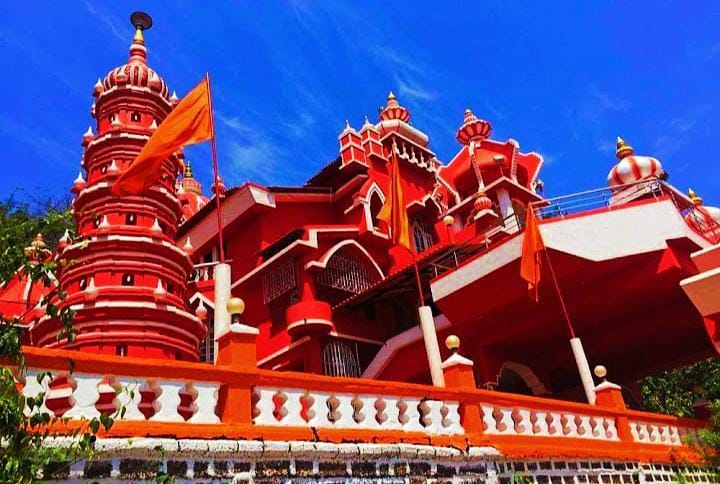
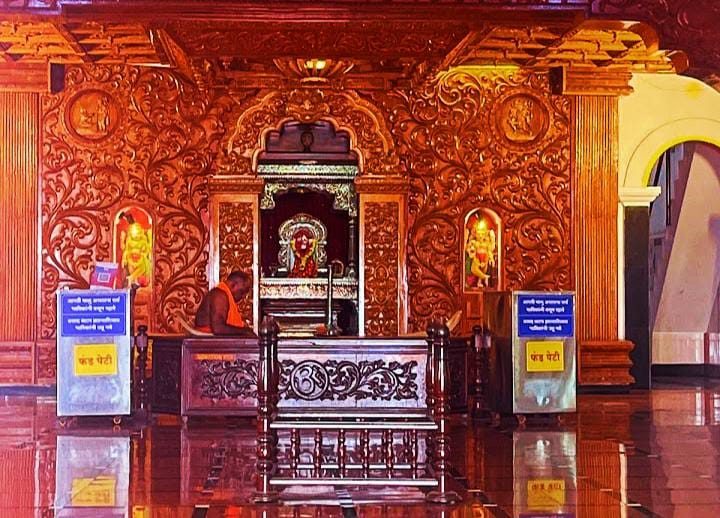
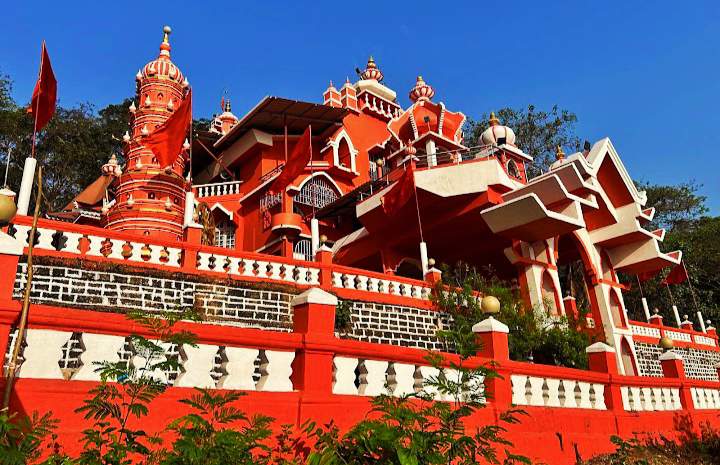
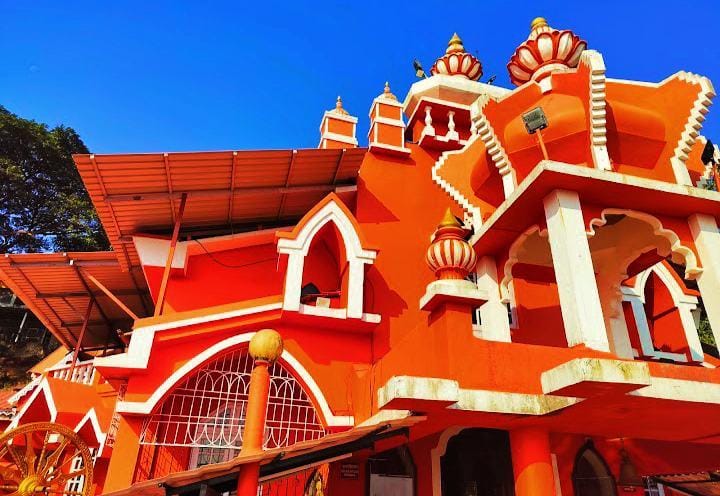
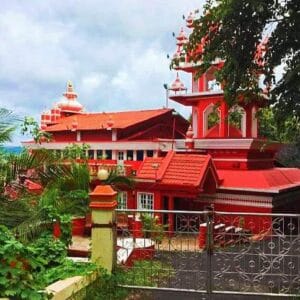
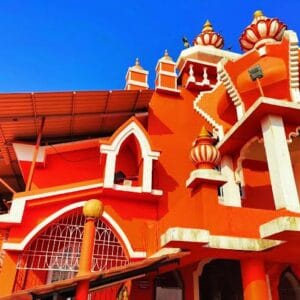
- The current structure is relatively modern, built in traditional Goan temple architecture with a deepastambha (lamp tower) and a simple yet elegant sanctum.
4. Significance of the Temple
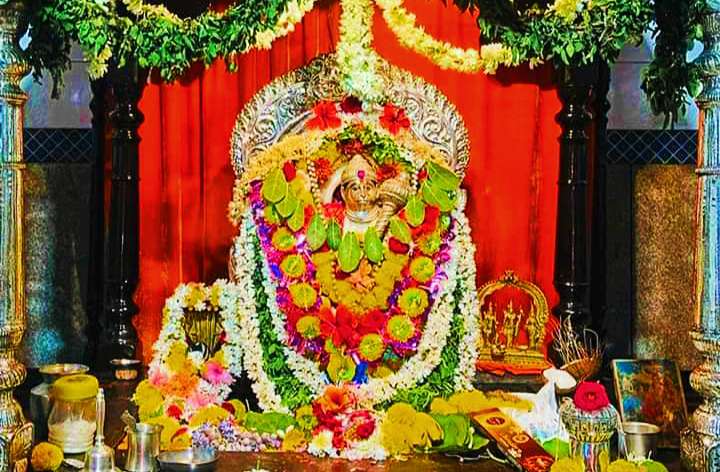
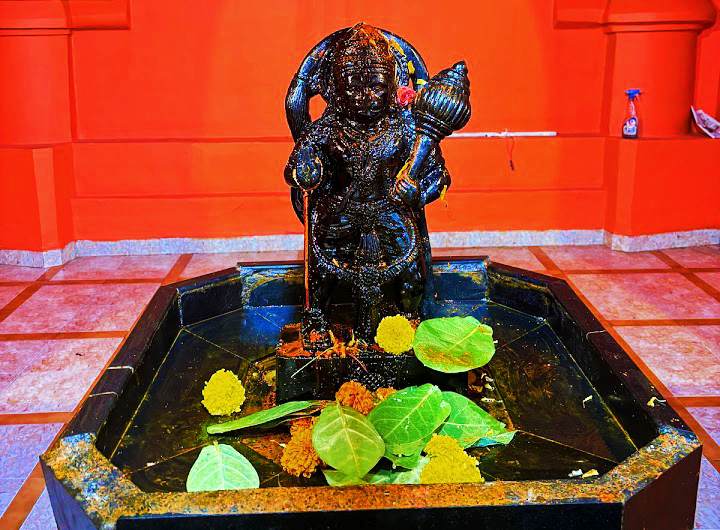
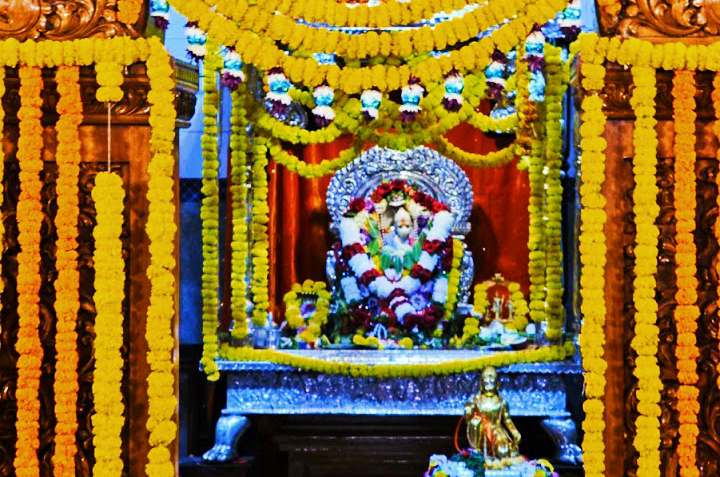
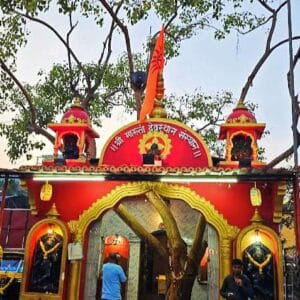
- Dedication: The temple is dedicated to Lord Hanuman (Maruti), a symbol of strength, devotion, and protection.
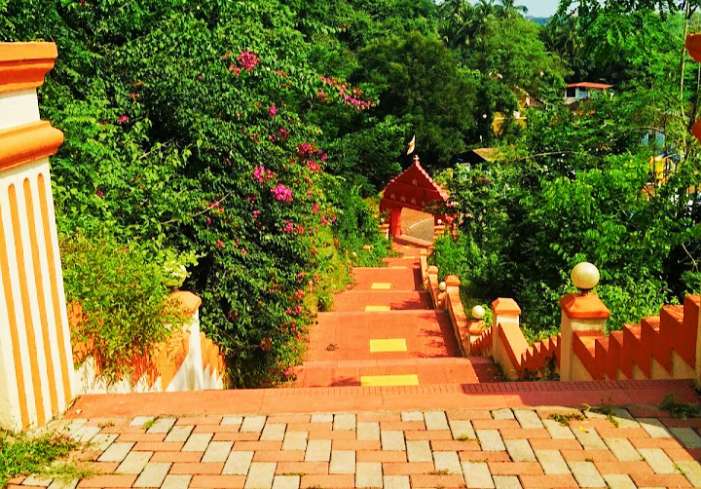
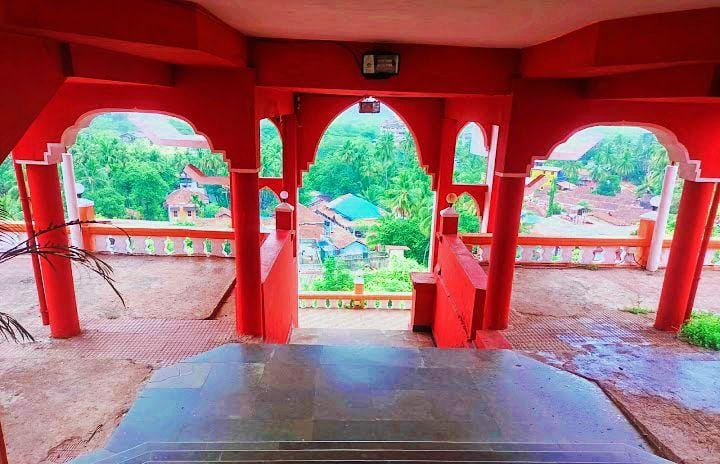
- Location: Situated on Altinho Hill, it offers a panoramic view of Panaji, making it both a spiritual and tourist attraction.
- Religious Importance: It is one of the few Hanuman temples in Goa and attracts devotees, especially on Tuesdays and Saturdays (considered auspicious for Hanuman worship).
- Cultural Role: The temple plays a key role in Hindu festivals like Hanuman Jayanti, Diwali, and Gudi Padwa.
5. Architectural Features
- The temple follows Goan Hindu temple architecture with a mandapa (hall), garbhagriha (sanctum), and a tiled roof.
- The deepastambha (lamp pillar) is a notable feature, lit during festivals.
- The idol of Hanuman is depicted in a devotional posture, often adorned with flowers and vermilion.
6. Modern-Day Importance
- The temple is a peaceful retreat away from the bustling city, offering scenic views of the Mandovi River and Panaji.
- It is managed by local Hindu trusts and remains an active place of worship.
- Visitors include both devotees and tourists who come for the spiritual ambiance and the stunning sunset views.
Conclusion
The Maruti Temple on Altinho Hill is not just a religious site but also a symbol of resilience, having survived centuries of colonial suppression. Today, it stands as a testament to Goa’s enduring Hindu heritage and remains a must-visit for those exploring Panaji’s spiritual and historical landscape.


Reviews
There are no reviews yet.