Shree Mahalaxmi Temple , Panaji

69 people are viewing this place right now

Address - Situated next to Mushtifund Saunthan Panaji, Dada Vaidhya Road, Panaji, Goa 403001

🕒open - 6:00 am

🕙Closed - 8:30 pm

🔖No Entry Ticket Required

🔖No Entry Ticket Required

Summary

Shree Mahalaxmi Temple in Panaji, Goa, was built in 1818 by Saraswat Brahmins during Portuguese rule. It honors Goddess Mahalaxmi, the family deity of many Goan Hindus. As one of the first temples permitted after religious restrictions, it symbolizes spiritual revival and remains a revered cultural and religious landmark today.

Location

  • Situated next to Mushtifund Saunthan Panaji, Dada Vaidhya Road, Panaji, Goa 403001

⬇️Tap on “View larger map” to get Direction

Full Story

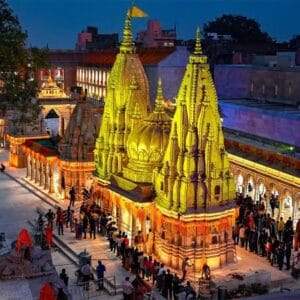
The Shree Mahalaxmi Temple in Panaji (Panjim), Goa, is one of the oldest and most revered Hindu temples in the region, dedicated to Goddess Mahalaxmi—the deity of wealth, prosperity, and power. Unlike Goa’s famous churches, this temple represents the enduring Hindu heritage of the state, surviving Portuguese rule and colonial-era religious suppression.


1. Historical Origins & Portuguese Era Challenges

Pre-Portuguese Existence (Before 1510)

  • The original temple is believed to have been built before the 15th century, possibly during the Kadamba dynasty (10th–14th century) or the Vijayanagara Empire (14th–16th century).
  • Goa was a major Hindu pilgrimage site before Portuguese colonization, with temples dedicated to Shiva, Vishnu, and Devi (Goddess worship).

Destruction & Relocation During Portuguese Rule (1510 Onwards)

  • After the Portuguese conquest of Goa in 1510, many Hindu temples were destroyed or forcibly converted into churches under the Inquisition (1560–1812).
  • The original Mahalaxmi Temple of Colvale (Bardez) was demolished, and the idol was secretly moved by devotees to safe locations.
  • The deity was later reinstalled in Panaji (then called “Pangim”) in the 18th century, as Portuguese religious persecution eased slightly.

Rebuilding in Panaji (19th Century)

  • The current temple structure in Panaji was reconstructed around the 1800s, when Hindus were allowed limited religious freedom under liberal Portuguese administrators.
  • The temple was strategically built near the Ourem Creek (Rua de Ourem) in a quiet area to avoid conflicts with colonial authorities.

2. Architectural Style & Sacred Features

Temple Structure

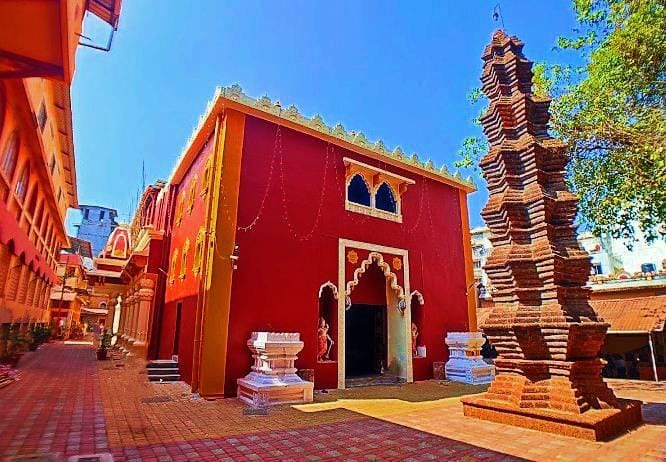
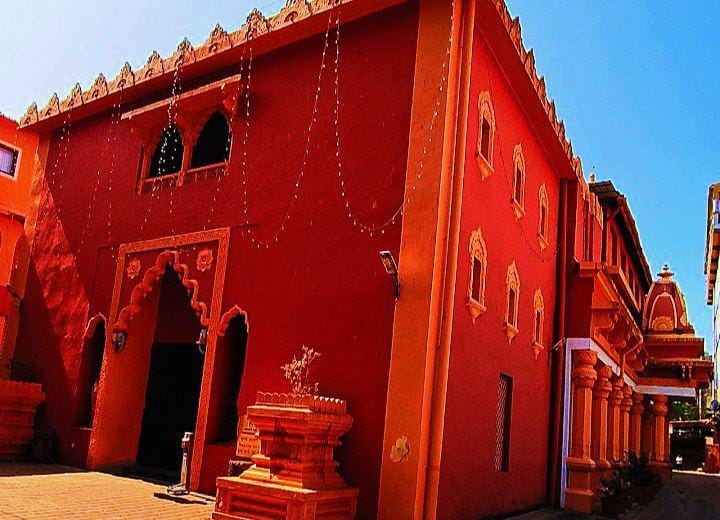
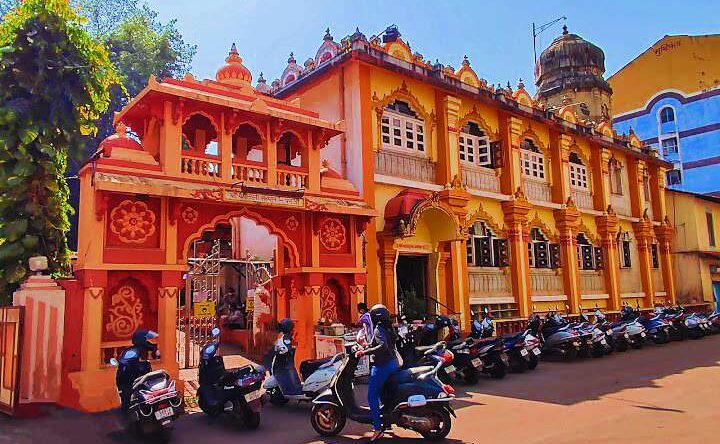
  • Built in traditional Goan Hindu temple architecture, blending Konkani and Maratha styles.
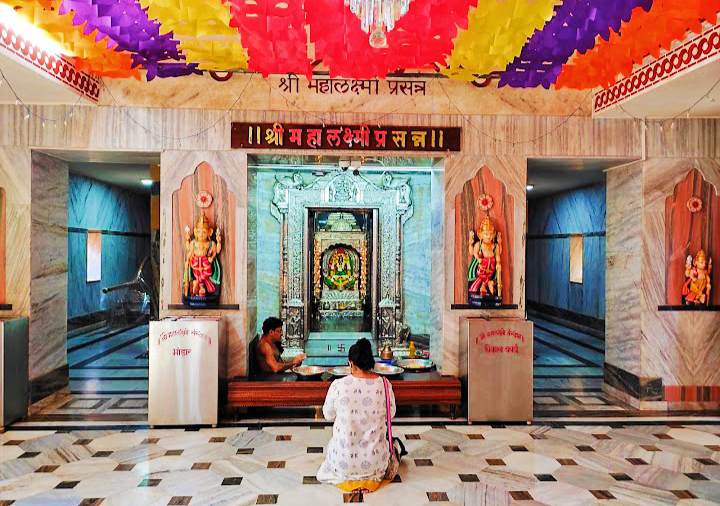
  • Unlike grand South Indian temples, it has a simpler, dome-shaped sanctum (garbhagriha) and a modest Sabha Mandap (prayer hall).
  • The deepstambha (lamp tower) is a notable feature, lit during festivals.

Deity & Idol

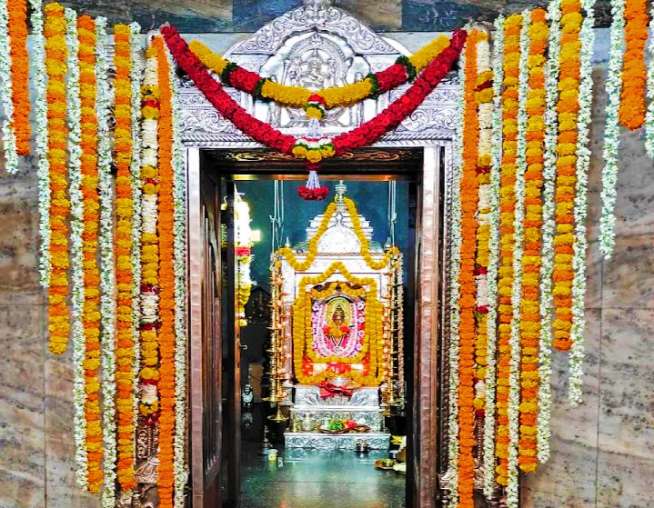
  • The main idol is Goddess Mahalaxmi, depicted in a golden-hued, four-armed form, holding a lotus, mace, pot of gold, and blessings (Abhaya Mudra).
  • The idol is believed to be Swayambhu (self-manifested) and radiates strong spiritual energy.

Other Shrines

  • Subsidiary deities include Lord Ganesha, Lord Hanuman, and Navagrahas (nine planetary deities).

3. Religious Significance & Festivals

Daily Worship & Rituals

  • Morning & evening aarti with Vedic chants.
  • Special abhishekams (ritual baths) with milk, honey, and flowers on Fridays.

Major Festivals

  1. Navaratri (September/October) – The biggest festival, with 9 nights of worship, music, and cultural performances.
  2. Diwali Lakshmi Puja – Grand celebrations with oil lamps and offerings for prosperity.
  3. Gudi Padwa (Marathi New Year) – Temple is decorated, and prasad is distributed.
  4. Akshaya Tritiya – Special pujas for wealth and success.

4. Cultural Survival & Legacy

Resistance Against Portuguese Suppression

  • Unlike many Goan temples that were destroyed, the Mahalaxmi Temple survived due to the resilience of Hindu devotees who secretly preserved traditions.
  • After Goa’s liberation in 1961, the temple gained more prominence as a symbol of Hindu revival in the state.

Modern-Day Importance

  • key pilgrimage site for Goan Hindus and tourists.
  • Plays a role in preserving Konkani Hindu traditions alongside Goa’s Christian heritage.

5. Visiting the Temple – Practical Information

  • Location: Near Ourem Creek, Altinho, Panaji (easily accessible from the city center).
  • Best Time to Visit: Early morning or during festivals.
  • Dress Code: Modest clothing (avoid shorts/sleeveless).
  • Photography: Restricted inside the sanctum.

Conclusion

The Shree Mahalaxmi Temple in Panaji is not just a place of worship but a testament to Goa’s resilient Hindu identity, surviving centuries of colonial rule. Its rich history, spiritual aura, and cultural significance make it a must-visit for devotees and history enthusiasts alike.
Opening time
  • open daily from 6:00 AM to 8:30 PM
  • The temple’s puja (prayer) timings are as follows:

    • Morning Puja: 7:00 AM to 11:30 AM

    • Evening Puja: 4:30 PM to 8:30 PM

Best time to visit
  • Early Morning (6:30 AM – 9:00 AM):
    Peaceful atmosphere, ideal for meditation and prayers with minimal crowd.

  • Evening (5:00 PM – 7:30 PM):
    Experience the serene aarti (evening prayer) and the temple beautifully lit up.

Best day to visit
  • Weekdays (Monday to Thursday):

    • Ideal for a peaceful darshan

    • Less crowd, more personal spiritual experience

  • Friday:

    • Considered auspicious for worshipping Goddess Mahalaxmi

    • Slightly more crowded but spiritually significant

  • Weekends (Saturday & Sunday):

    • Attract more tourists and local devotees

    • Better avoided if you prefer quiet surroundings

  • Festivals (especially Navaratri & Diwali):

    • Vibrant and spiritually enriching

    • Expect large crowds and long waiting times

Best month/season to visit
  • October to February (Winter Season):

    • Ideal for sightseeing and temple visits

    • Includes festivals like Diwali and Navaratri

  • March to May (Summer):

    • Hot and humid; visit early mornings or evenings

  • June to September (Monsoon):

    • Lush greenery, but heavy rains may disrupt travel

Recommended: Visit between October and February for the most comfortable and festive experience.

National Emergency Number( sos )112
Place helping / contact no.Tourism Department of Goa:

  • Contact No.: +91 832 2494204
  • Contact No.: +91 832 2494200
  • Contact No.: +91 832 2494225
SignificanceShree Mahalaxmi Temple in Panaji, built in 1818 as the first Hindu temple allowed by the Portuguese after centuries, is a significant religious and cultural symbol of resilience and communal harmony, housing the original protected idol of Goddess Mahalaxmi and serving as a vital place of worship.
Type of PlaceReligious Site , Hindu Temple , Pilgrimage Destination , Cultural Heritage Site , Historical Landmark , spiritual Site  & Tourist Attraction.
Built By

Shree Mahalaxmi Temple in Panaji, Goa, was built by the Saraswat Brahmin community in 1818 with support from local Hindu devotees. It was one of the first temples allowed to be constructed during Portuguese rule, symbolizing a revival of Hindu worship in the region.

Year of ConstructionShree Mahalaxmi Temple in Panaji, Goa, was constructed between 1818 and 1819. The foundation stone was laid on July 10, 1818, following permission granted by the Portuguese governor on July 2, 1818. The temple was completed and consecrated by 1819.
Public washroomShree Mahalaxmi Temple in Panaji, provides public washroom facilities within its premises for the convenience of devotees and visitors. These restrooms are maintained to ensure cleanliness and hygiene.
Canteen / RestaurantShree Mahalaxmi Temple in Panaji does not have an on-site canteen. However, there are several dining options nearby.
ParkingShree Mahalaxmi Temple in Panaji does not have a dedicated parking area. Visitors typically park their vehicles along the roadside near the temple. Due to the temple’s central location, parking can be limited, especially during peak hours and festivals.
Busiest day
  • Busiest Days: According to TripHobo, the temple is most crowded on Wednesdays, Thursdays, and Sundays.

  • Moderate Days: Fridays are considered auspicious for Goddess Mahalaxmi, attracting a moderate number of devotees.

  • Least Busy Days: Mondays, Tuesdays, and Saturdays tend to have fewer visitors, offering a more peaceful experience.

Local language
  • Konkani: Primary local language spoken by the majority of Goans.

  • English: Widely understood and used, especially in churches, tourism, and official communication.

  • Portuguese: Some older locals and religious texts still retain Portuguese influence.

  • Hindi & Marathi: Also commonly spoken and understood in the region.

Nearby accommodationAvailable nearby
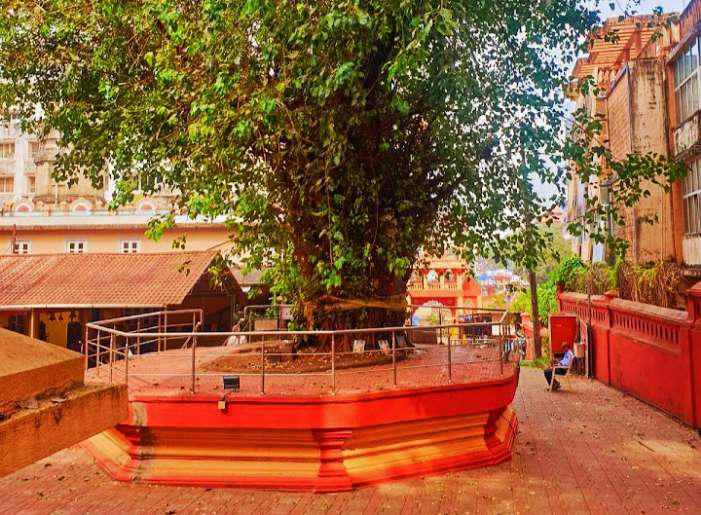
Spread over areaWhile the exact area of Shree Mahalaxmi Temple in Panaji isn’t specified in available sources, the temple premises are described as fairly large, featuring a significant peepul tree and ample space for devotees. Its central location on Dada Vaidya Road makes it a prominent landmark in Panaji.

Shree Mahalaxmi Temple in Panaji welcomes visitors free of charge; there is no entry fee to enter the temple premises. However, devotees and visitors have the opportunity to make voluntary donations to support the temple’s maintenance and activities.

Things To Do at Shree Mahalaxmi Temple, Panaji

  1. Seek Blessings
    Offer prayers to Goddess Mahalaxmi, the presiding deity of wealth and well-being.

  2. Attend Aarti
    Experience the spiritual evening aarti with devotional chants and lamps.

  3. Admire Architecture
    Observe the temple’s traditional Goan Hindu architecture and serene interiors.

  4. Relax Under the Peepul Tree
    Sit and meditate under the sacred tree within the temple complex.

  5. Explore Nearby Fontainhas
    Visit the Latin Quarter of Panaji nearby, known for its colorful Portuguese-style houses.

  6. Participate in Festivals
    Visit during festivals like Navaratri or Mahalaxmi Jayanti to witness vibrant rituals.

Travel Tips 

  1. Dress Modestly: Wear traditional or modest clothing as it’s a religious place.

  2. Remove Footwear: Footwear is not allowed inside the temple—use designated racks.

  3. Visit Early: Morning hours are peaceful and less crowded.

  4. Carry Cash: For donations or nearby local purchases, as some shops may not accept cards.

  5. Respect Customs: Observe silence and maintain decorum during aarti or rituals.

  6. Hydrate: Carry water, especially during summer months.

  7. Photography: Check with temple staff before taking photos, especially inside.

  8. Festival Rush: Expect large crowds during Navaratri and Mahalaxmi Jayanti—plan accordingly.

  9. Footwear Storage: Use the temple’s footwear stand to avoid inconvenience.

  10. Nearby Exploration: Combine your visit with a walk through Fontainhas or a meal at a nearby Goan eatery.


How to Reach

By Air:

  • Nearest Airport: Dabolim Airport (GOI), approximately 30 km from the temple.

  • From the Airport: You can hire a taxi or use app-based cab services to reach the temple, which typically takes around 45 minutes.

By Train:

  • Nearest Railway Station: Karmali Railway Station, about 12 km away.

  • From the Station: Taxis and auto-rickshaws are available outside the station for direct transport to the temple.

By Bus:

  • From Panaji Bus Stand: The temple is approximately 2 km from the main bus stand.

  • Local Transport: Auto-rickshaws and taxis are readily available. Alternatively, you can enjoy a brief walk through the city to reach the temple.

By Car:

  • From Nearby Cities:

    • Margao: Approximately 35 km away; around a 1-hour drive via NH66.

    • Vasco da Gama: Roughly 30 km away; about a 45-minute drive via NH366 and NH66.

  • Parking: Limited parking is available near the temple; it’s advisable to use public transportation or park at designated public parking areas in Panaji and walk to the temple.

By Two-Wheeler:

  • Renting a scooter or motorcycle is a popular option for exploring Goa.

  • Parking for two-wheelers is generally more accessible near the temple premises.

1. Minimum Traveling Budget 

This budget is ideal for backpackers or solo travelers who prioritize essentials.

CategoryEstimated Cost (INR)Details
Travel (Bus/Train)₹400 – ₹800Sleeper class train or intercity bus from nearby cities like Pune or Mumbai
Local Transport₹100 – ₹200Local buses or shared rickshaws within Panaji
Accommodation₹500 – ₹900Budget hotels, hostels, or dormitories
Food₹200 – ₹300Simple local meals at cafes or thalis
Temple VisitFreeNo entry fee
Miscellaneous₹100Small purchases, donations, water, etc.

Total Estimated Budget: ₹1,300 – ₹2,300 per day (approx.),Per person

Ideal for solo travelers or pilgrims seeking a spiritual trip on a limited budget.


2. Medium Traveling Budget 

Ideal for couples, families, or comfortable solo travelers seeking balanced comfort and convenience.

CategoryEstimated Cost (INR)Details
Travel (Train/Flight)₹1,000 – ₹2,5003AC train or low-cost flights (if booked in advance)
Local Transport₹200 – ₹400Private taxi, rental scooter, or app-based cabs
Accommodation₹1,000 – ₹2,0002-star or boutique hotels in Panaji
Food₹400 – ₹600Local restaurants, Goan meals, or multicuisine eateries
Temple VisitFreeNo entry fee
Miscellaneous₹300 – ₹500Shopping, snacks, donations, entry to nearby attractions

Total Estimated Budget: ₹2,900 – ₹6,000 per day (approx.),Per person

Suitable for families or couples looking for a pleasant cultural getaway without overspending.


3. Large Traveling Budget 

Perfect for Luxury Experience who prefer high-end accommodations, private transport, and fine dining.

CategoryEstimated Cost (INR)Details
Travel (Flight)₹4,000 – ₹10,000Direct or connecting flights, business class or premium seats
Local Transport₹800 – ₹1,500Private chauffeur, rental car, or luxury taxi services
Accommodation₹4,000 – ₹10,0004-star to 5-star hotels or luxury resorts in Panaji
Food₹800 – ₹1,500Fine dining, cafes, and authentic Goan cuisine in premium settings
Temple VisitFreeNo entry fee
Miscellaneous₹1,000 – ₹2,000Spa, souvenirs, guided tours, or cultural experiences

Total Estimated Budget: ₹10,600 – ₹25,000+ per day (approx.),Per person

Perfect for those wanting a relaxed, luxurious spiritual-cum-vacation experience in Goa.

Reviews

There are no reviews yet.

Be the first to review “Shree Mahalaxmi Temple , Panaji”

Your email address will not be published. Required fields are marked