
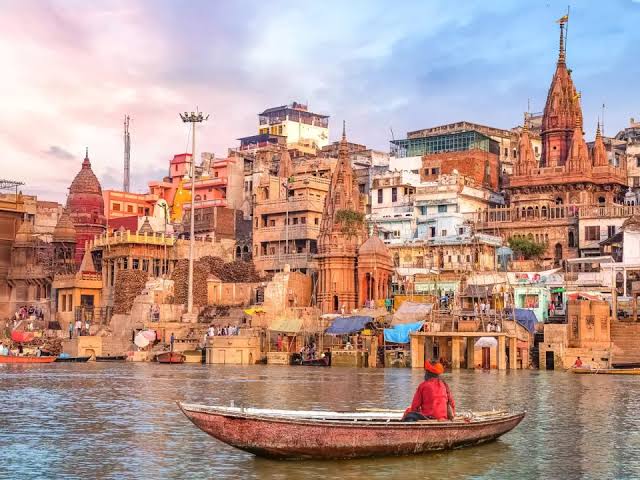
Chitrakoot, meaning “Hill of Many Wonders”, is a sacred town located on the border of Uttar Pradesh and Madhya Pradesh. Famous in the Ramayana, it is believed to be the place where Lord Rama, Sita, and Lakshmana spent over eleven years of their 14-year exile. Known for spirituality, mythology, and natural beauty, Chitrakoot holds immense cultural and religious significance.
Below is a detailed historical history of Chitrakoot.
1. Ancient History of Chitrakoot
- Mentioned in ancient scriptures like the Ramayana, Mahabharata, and Puranas.
- It was considered a place of tapasya (meditation) for sages such as Atri and Anusuya.
- Lord Rama, Sita, and Lakshmana lived here during their exile, and it was here that Bharata came to request Rama to return to Ayodhya.
- Valmiki, Tulsidas, and Kalidasa praised Chitrakoot’s sanctity in their works.
2. Religious and Cultural Significance
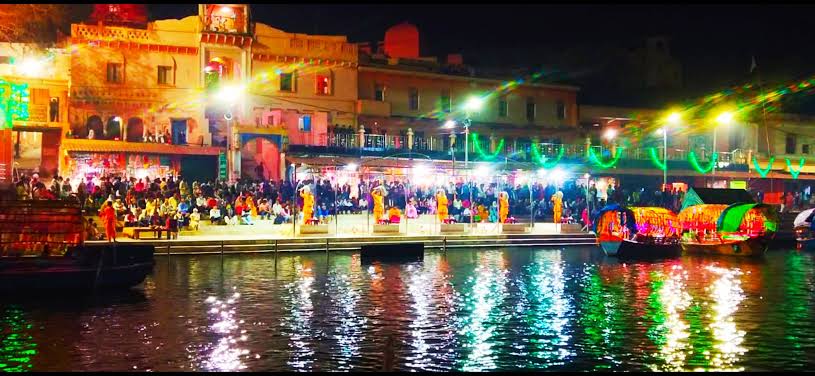
- Chitrakoot is called the “Ayodhya of Madhya Pradesh and Uttar Pradesh” due to its deep ties with Lord Rama.
- It has many sacred ghats, temples, and pilgrimage sites, including:
- Kamadgiri Hill – Believed to fulfill wishes when devotees perform a parikrama (circumambulation).
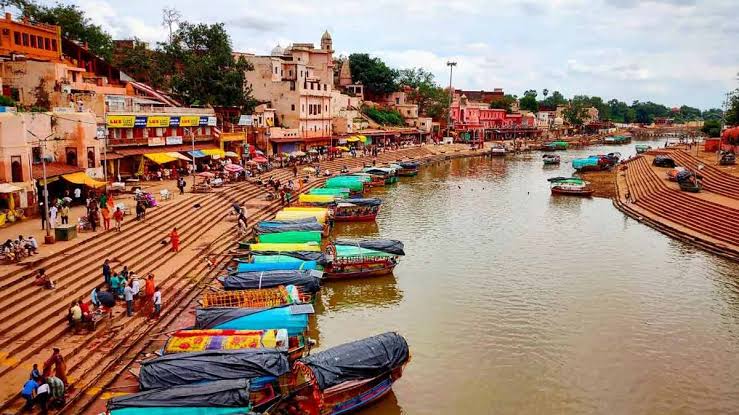
- Ram Ghat – Where Rama, Sita, and Lakshmana are believed to have bathed.
- Sati Anusuya Ashram – Ancient hermitage of Anusuya, wife of sage Atri.
- Gupt Godavari Caves – Mythical caves where Rama and Lakshmana held court.
- Hanuman Dhara – A spring dedicated to Lord Hanuman.
3. Medieval and Later History
- During medieval times, Chitrakoot continued to flourish as a pilgrimage site.
- Saints and poets like Goswami Tulsidas visited Chitrakoot, composing verses in its praise.
- Mughal rule had little direct impact here, but the area remained under various regional rulers.
4. Chitrakoot in Modern Times
- In the 20th century, Chitrakoot gained recognition not only for religion but also for social work.
- Mahatma Gandhi visited Chitrakoot and appreciated its spiritual environment.
- Nana Ji Deshmukh started rural development programs here, making Chitrakoot a center of education and self-reliance along with spirituality.
✅ Conclusion
Chitrakoot’s history is deeply rooted in Hindu mythology, spirituality, and cultural traditions. From being the exile home of Lord Rama to a sacred center for sages and saints, it has retained its holy aura for centuries. Today, Chitrakoot stands as a symbol of faith, devotion, and natural beauty, attracting millions of pilgrims and tourists alike.



Add comment