

Mirzapur, a city now globally recognized from the popular web series, has a rich and multifaceted history that is deeply intertwined with trade, industry, and culture. Its strategic location on the banks of the Ganges River has been the cornerstone of its development for centuries.
Below is a detailed historical history of Mirzapur.
1. Ancient History
- Mirzapur, located on the banks of the river Ganga, is known for its deep-rooted cultural and historical significance.
- In ancient times, it was a center for trade and craftsmanship, especially for carpet weaving, brass work, and stone artifacts.
- The region finds mention in scriptures and local legends, linking it with mythological stories and religious practices along the Ganga.
- The famous Vindhya region near Mirzapur was historically significant due to the Vindhyavasini Devi Temple, considered a Shakti Peeth.

2. Medieval History
- During the medieval period, Mirzapur became famous as a trade and commercial hub because of its location near the Ganga, which supported river navigation.
- It was also an important stop for pilgrims traveling to Vindhyachal and other sacred sites.
- Various dynasties contributed to temple building, ghats, and trade development in Mirzapur.
3. Mughal and British Era
- Under the Mughals, Mirzapur was known for its handicrafts and carpets, which were exported across India.
- Later, during the British colonial period, Mirzapur flourished as a major carpet weaving and industrial town.
- The British established administrative and trade structures, making it a prominent district in the 18th and 19th centuries.
- The Ghanta Ghar (Clock Tower) and colonial architecture in Mirzapur highlight its importance during British rule.
4. Religious and Cultural Significance
- Mirzapur is home to Vindhyavasini Devi Temple, one of the most revered Shakti Peethas in India, attracting devotees year-round.
- Ashtbhuja Devi Temple and Kalikoh Temple are other major spiritual sites in the Vindhya hills.
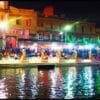
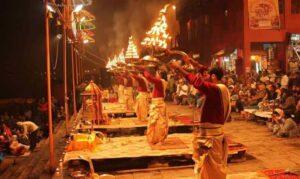
- The city’s ghats on the Ganga River, like Pakka Ghat, reflect its religious heritage and role in Hindu traditions.
- Mirzapur’s carpet industry and stone craft became world-famous, adding cultural richness.

5. Modern History and Development
- Post-independence, Mirzapur retained its reputation as a center for handicrafts, carpets, brassware, and stone sculpture.
- It remains one of the largest carpet manufacturing hubs in India, exporting worldwide.
- Tourism flourished due to Vindhyachal pilgrimage, natural beauty, and historical temples.
- Modern Mirzapur balances spirituality, industry, and culture, making it both a devotional and economic center in Uttar Pradesh.
✅ Conclusion
The history of Mirzapur is a blend of trade, spirituality, and craftsmanship. From ancient times as a cultural and religious hub to its prominence under Mughals, British, and in modern India, Mirzapur has held a unique identity. Today, it continues to thrive as the land of Vindhyavasini Devi, spiritual heritage, and world-famous carpets, symbolizing tradition and progress together.



Add comment