
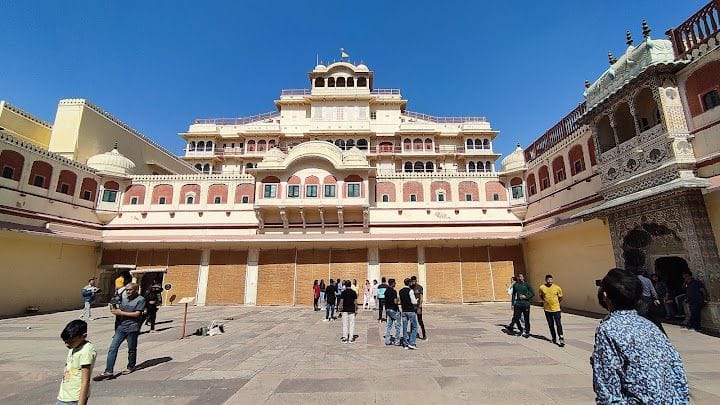
The City Palace in Jaipur is a magnificent architectural marvel and a living testament to the grandeur of the Rajput era. Located in the heart of the Pink City, this sprawling palace complex is a blend of Mughal and Rajasthani architectural styles, reflecting the rich cultural heritage of Jaipur. Let’s explore the fascinating history, design, and significance of the City Palace.
1. Historical Background
- Foundation: The City Palace was built between 1729 and 1732 by Maharaja Sawai Jai Singh II, the founder of Jaipur. It served as the administrative and ceremonial headquarters of the Maharajas of Jaipur.
- Architectural Vision: The palace was designed by Vidyadhar Bhattacharya, a Bengali architect, who combined Mughal, Rajput, and European architectural styles to create a unique and harmonious structure.
- Royal Residence: The palace remained the residence of the Jaipur royal family until India’s independence in 1947. Even today, a part of the palace is privately occupied by the descendants of the royal family.
2. Architectural Brilliance
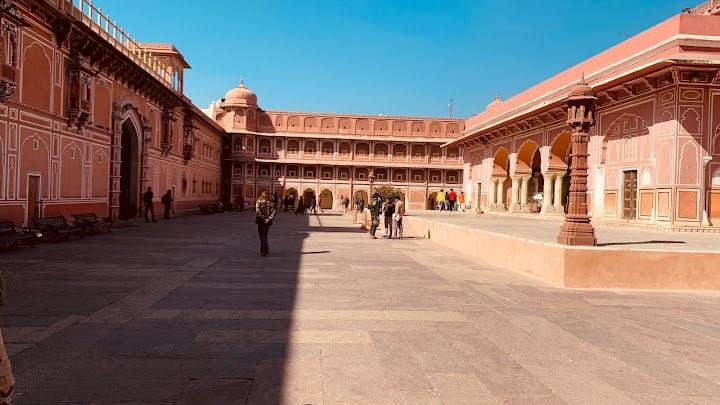
The City Palace is a stunning example of Indo-Saracenic architecture, characterized by its intricate designs, grand courtyards, and exquisite craftsmanship. Key architectural features include:
A. Main Gates
- Udai Pol and Tripolia Gate: The palace is accessed through two main gates, Udai Pol and Tripolia Gate. The Tripolia Gate is reserved for the royal family and is adorned with intricate carvings and designs.
B. Courtyards
- Mubarak Mahal Courtyard: The first courtyard houses the Mubarak Mahal, a reception hall built by Maharaja Madho Singh II. It now serves as a museum showcasing royal costumes, textiles, and artifacts.
- Diwan-i-Khas Courtyard: This courtyard features the Diwan-i-Khas (Hall of Private Audience), where the Maharaja held private meetings. The hall is adorned with intricate marble flooring and stunning chandeliers.
C. Chandra Mahal
- Royal Residence: The Chandra Mahal is a seven-story structure that serves as the private residence of the royal family. Each floor has a unique name and purpose, such as the Sukh Niwas (Hall of Rest) and Shobha Niwas (Hall of Beauty).
- Museum: The ground floor of Chandra Mahal is open to the public and houses a museum displaying royal artifacts, including paintings, manuscripts, and weapons.
D. Diwan-i-Aam
- Hall of Public Audience: The Diwan-i-Aam is a grand hall where the Maharaja addressed the public and held court. It features ornate arches, pillars, and a stunning collection of Mughal and Rajput art.
E. Other Notable Structures
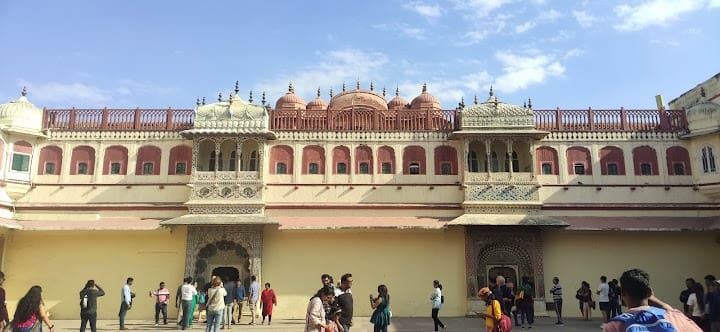
- Pitam Niwas Chowk: A courtyard with four beautifully decorated gates, each representing a different season and Hindu deity.
- Govind Dev Ji Temple: A temple dedicated to Lord Krishna, located within the palace complex, is a significant religious site for the royal family and devotees.

3. Historical Significance
- Royal Legacy: The City Palace is a symbol of the rich legacy of the Kachwaha Rajput dynasty, which ruled Jaipur for centuries.
- Cultural Hub: The palace has been a center of art, culture, and politics, hosting numerous royal ceremonies, festivals, and events.
- Architectural Influence: The blend of Mughal, Rajput, and European styles in the palace’s design reflects the cultural synthesis of the era.
4. Cultural and Religious Importance
- Festivals and Celebrations: The palace is a focal point for major festivals like Diwali, Holi, and Gangaur, which are celebrated with great pomp and splendor.
- Tourist Attraction: The City Palace is one of Jaipur’s most popular tourist destinations, attracting visitors from around the world.

5. Preservation and Restoration
- Maintenance: The palace is well-preserved, with ongoing efforts by the royal family and the Government of Rajasthan to maintain its structural integrity and historical significance.
- Museum and Exhibits: The palace houses several museums and galleries that showcase the rich history and culture of Jaipur, including royal costumes, weapons, and artifacts.
6. Why Visit the City Palace?
- Architectural Marvel: The palace’s stunning design and intricate details make it a must-visit for architecture enthusiasts.
- Historical Insight: A visit to the City Palace offers a deeper understanding of the Rajput era and its cultural and political significance.
- Cultural Experience: The palace’s museums, galleries, and festivals provide a rich cultural experience for visitors.
7. Visiting the City Palace
- Location: The City Palace is located in the heart of Jaipur, near other major landmarks like the Hawa Mahal and Jantar Mantar.
- Timings: The palace is open to visitors from 9:30 AM to 5:00 PM, but it’s advisable to check the current timings before visiting.
- Entry Fee: There is an entry fee for visitors, with additional charges for access to certain areas and museums within the palace complex.
Conclusion: A Living Legacy of Rajput Grandeur
The City Palace in Jaipur is more than just a historical monument; it is a living testament to the grandeur, culture, and legacy of the Rajput era. Its stunning architecture, rich history, and cultural significance make it a must-visit destination for anyone exploring Jaipur. Whether you’re a history enthusiast, an architecture lover, or a cultural explorer, the City Palace promises an enriching and unforgettable experience. Step into this majestic palace and immerse yourself in the timeless beauty of Rajput heritage.


Add comment