

Varanasi, also known as Kashi or Banaras, is one of the oldest continuously inhabited cities in the world. Located on the banks of the sacred River Ganga, it holds immense religious, cultural, and historical significance. Revered as the city of Lord Shiva, Varanasi has been a beacon of spirituality, learning, music, art, and culture for thousands of years.
Below is a detailed historical history of Varanasi.
1. Ancient Origins
- Mentioned in the Rigveda and Atharvaveda, Varanasi is believed to be more than 3000 years old.
- Known as Kashi (City of Light), it was considered a gateway to moksha (liberation) in Hindu philosophy.
- Associated with Lord Shiva and Goddess Parvati, who are believed to have made it their abode.

2. Center of Learning & Philosophy
- Varanasi was a hub of Sanskrit, astrology, philosophy, and Ayurveda.
- Famous ancient university Nalanda and scholars often referenced Kashi as the seat of wisdom.
- Buddha delivered his first sermon at Sarnath, near Varanasi, marking the start of Buddhism.
- Also important for Jainism—the 23rd Tirthankara, Parshvanatha, was born here.
3. Medieval Period
- Flourished under Maurya and Gupta dynasties as a cultural and religious hub.
- In the medieval period, Varanasi became a textile and trade center, renowned for Banarasi silk.
- During Mughal rule, despite invasions and destruction of temples, Kashi continued as a pilgrimage city.
- Raja Man Singh and Raja Todar Mal (Mughal nobles) rebuilt several temples and ghats.
4. British Colonial Period
- Varanasi became a princely state under the British East India Company in the 18th century.
- The British administration allowed religious institutions and ghats to flourish.
- Known as the City of Temples and Ghats, it became a symbol of Hindu resilience and identity.
5. Modern Era
- In 1956, Varanasi Hindu University (BHU), founded by Pandit Madan Mohan Malaviya, became a global educational center.
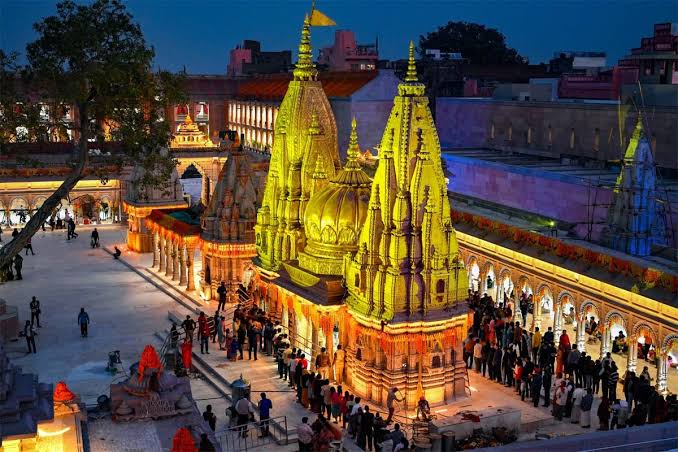
- Today, Varanasi is famous for its ghats (like Dashashwamedh, Manikarnika, Assi Ghat), Kashi Vishwanath Temple, Banarasi sarees, and Ganga Aarti.
- Recognized globally as a UNESCO Creative City of Music, celebrating its contribution to Indian classical music.
✅ Conclusion
Varanasi’s history spans from ancient Vedic civilization, the rise of Buddhism and Jainism, medieval challenges, colonial influence, to modern spiritual and cultural renaissance. It is not just a city but a living museum of India’s heritage, where faith, art, and learning meet on the banks of the Ganga. For millions, Varanasi remains the eternal city of salvation, devotion, and enlightenment.



Add comment