
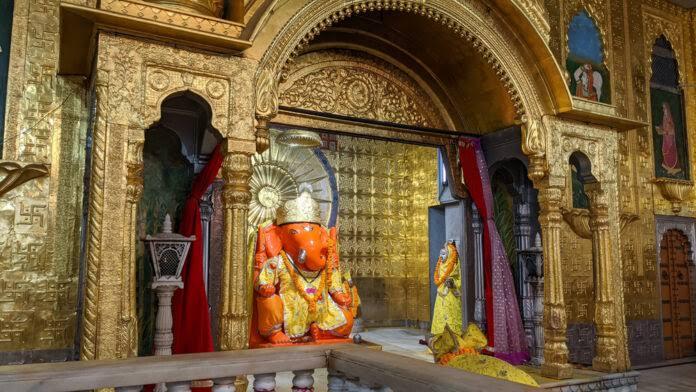
The Moti Dungri Ganesh Ji Temple in Jaipur is one of the most revered and iconic temples in Rajasthan, dedicated to Lord Ganesha, the Hindu deity of wisdom, prosperity, and good fortune. Located on the Moti Dungri Hill, the temple is not only a spiritual hub but also a significant cultural landmark in Jaipur. Here’s a detailed exploration of its history, architecture, and significance:
Historical Background
- Origins and Founding:
- The Moti Dungri Ganesh Ji Temple was established in the 18th century by Seth Jai Ram Paliwal, a devout follower of Lord Ganesha.
- The temple is believed to have been built in 1761, during the reign of Maharaja Sawai Madho Singh I of Jaipur.
- Moti Dungri Hill:
- The temple is located on Moti Dungri Hill, which translates to “Pearl Hill” due to its pearl-like shape.
- The hill is also home to the Moti Dungri Palace, a Scottish-style castle built by Maharaja Sawai Madho Singh II in the early 20th century.
- Idol of Lord Ganesha:
- The idol of Lord Ganesha in the temple is believed to be self-manifested (swayambhu) and is said to have been brought from Udaipur by Seth Jai Ram Paliwal.
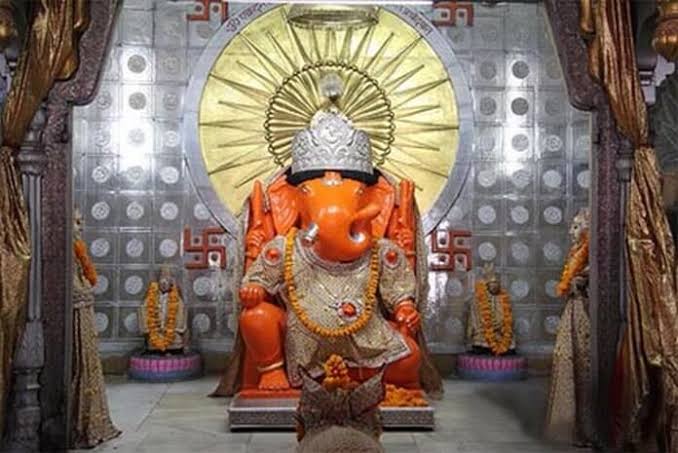
- The idol is made of marble and is adorned with gold and precious stones, making it a focal point of devotion.
Architectural Marvel
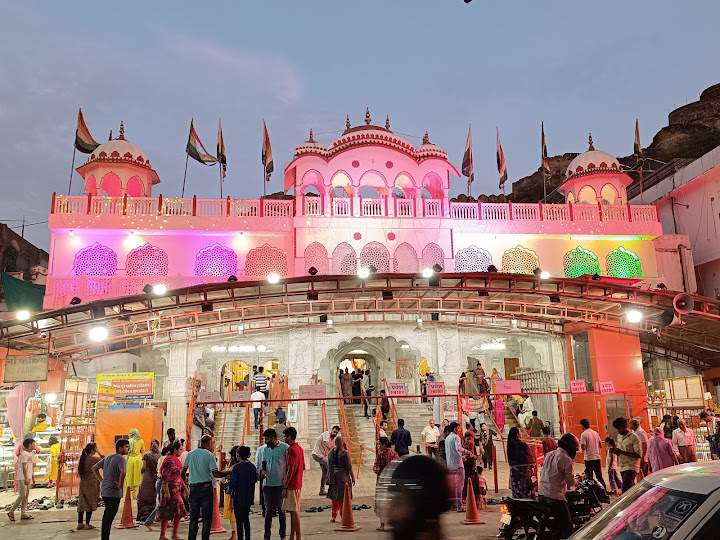
The Moti Dungri Ganesh Ji Temple is a fine example of traditional Hindu temple architecture, blending simplicity with spiritual elegance.
- Temple Structure:
- The temple is built in a traditional North Indian style, with a shikhara (spire) that symbolizes the abode of the divine.
- The sanctum sanctorum houses the idol of Lord Ganesha, which is the focal point of worship.
- Decorative Elements:
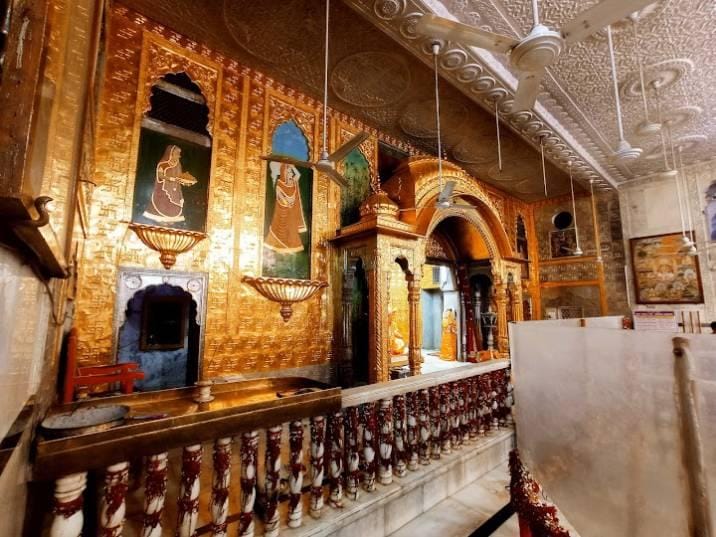
- The temple features intricate carvings and sculptures of deities and mythological figures, adding to its spiritual ambiance.
- The walls and pillars are adorned with religious motifs and symbols associated with Lord Ganesha, such as the modak (a sweet offering) and the trishul (trident).
- Surroundings:
- The temple is located on a hill, offering panoramic views of Jaipur city and the surrounding Aravalli Hills.
- The serene and peaceful environment enhances the spiritual experience for devotees.
Religious and Cultural Significance
- Spiritual Hub:
- The Moti Dungri Ganesh Ji Temple is a significant spiritual center for devotees of Lord Ganesha, particularly in the region of Jaipur.
- Devotees visit the temple to seek blessings for health, prosperity, and success in their endeavors.
- Festivals and Celebrations:
- The temple is particularly vibrant during festivals like Ganesh Chaturthi, Diwali, and Navratri, when special prayers and rituals are conducted.
- During these festivals, the temple is decorated with flowers and lights, and devotees gather to offer prayers and participate in cultural programs.
- Local Traditions:
- The temple plays a central role in the cultural and religious life of the local community, serving as a venue for weddings, rituals, and community gatherings.
- It is also a place where local traditions and customs are preserved and celebrated.
Interesting Facts About Moti Dungri Ganesh Ji Temple
- The temple is known for its miraculous stories and divine experiences, which are shared by devotees and locals.
- The idol of Lord Ganesha in the temple is believed to be self-manifested (swayambhu), adding to its spiritual significance.
- The temple is a popular destination for pilgrims and spiritual seekers, who come to experience its peaceful and divine atmosphere.
Conclusion
The Moti Dungri Ganesh Ji Temple in Jaipur is a sacred and spiritually significant temple dedicated to Lord Ganesha. Its rich history, stunning architecture, and cultural importance make it a must-visit destination for devotees and tourists alike. Whether you’re seeking divine blessings or exploring the spiritual heritage of Jaipur, the Moti Dungri Ganesh Ji Temple offers a serene and enriching experience. It stands as a symbol of the enduring devotion to Lord Ganesha and the timeless appeal of Jaipur’s cultural legacy.



Add comment