











Chapora Fort , Chapora

86 people are viewing this place right now

Address - Chapora Fort, Chapora, near the coastal village of Anjuna and Vagator Beach, North Goa, Goa 403509

🕒open - 9:30 am

🕙Closed - 5:30 pm

🔖No Entry Ticket Required

🔖No Entry Ticket Required

Summary

Chapora Fort, located Chapora Village near Anjuna, Goa, is a historic hilltop fortress built by the Adil Shahi dynasty and later rebuilt by the Portuguese in 1617. It witnessed Maratha-Portuguese battles and was abandoned in 1892. Today, it’s a popular tourist spot known for its panoramic views and cultural legacy.

Location

  • Chapora Fort, Chapora, near the coastal village of Anjuna and Vagator Beach, North Goa, Goa 403509

⬇️Tap on “View larger map” to get Direction

Full Story

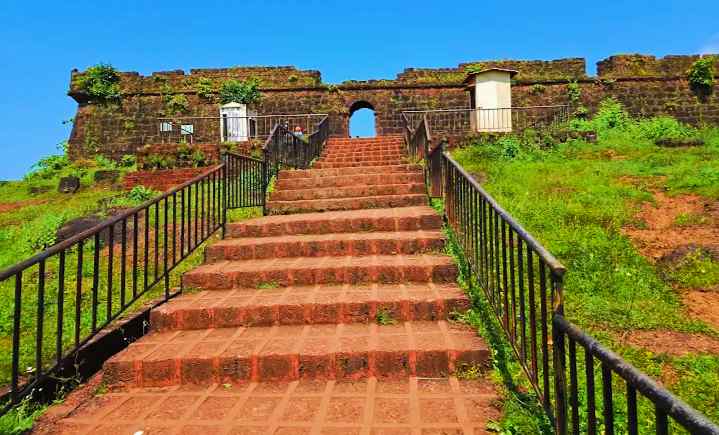
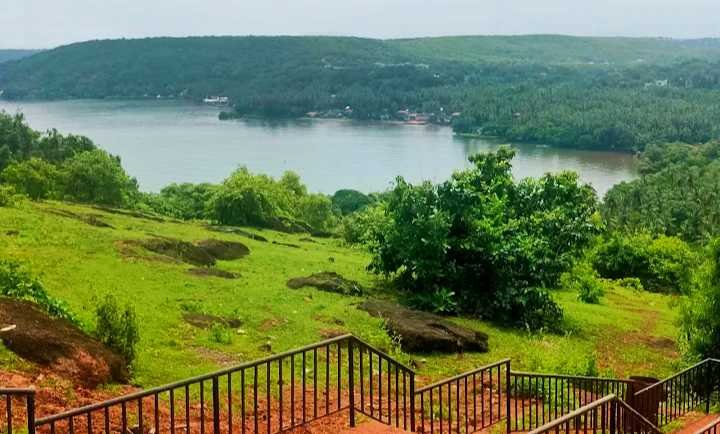
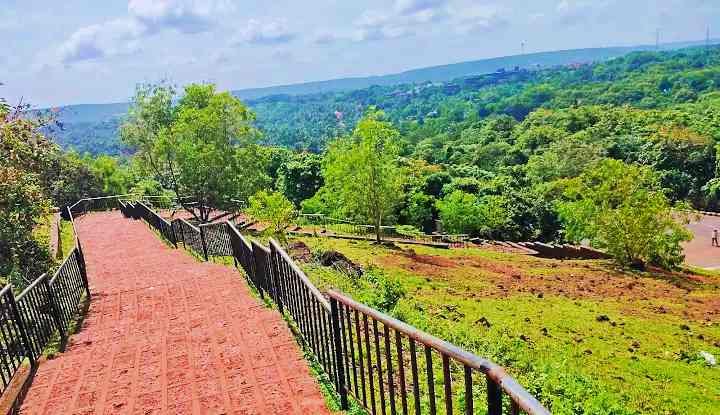
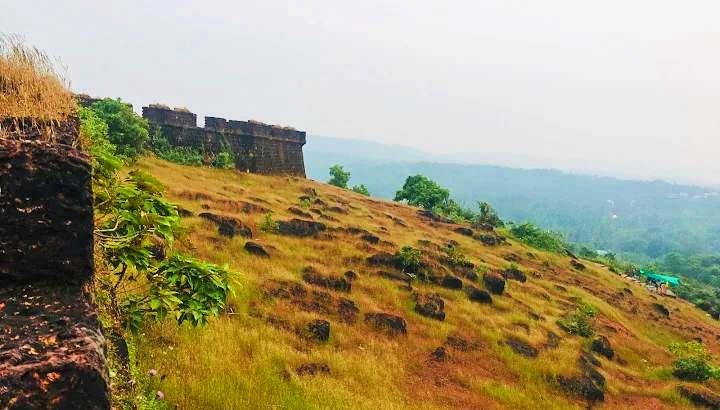
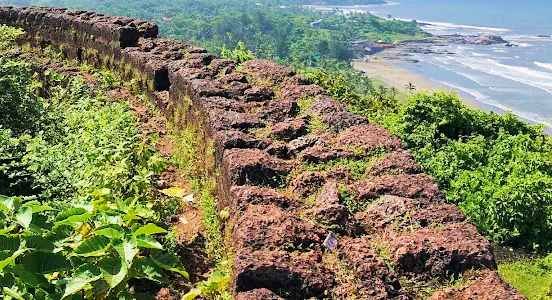
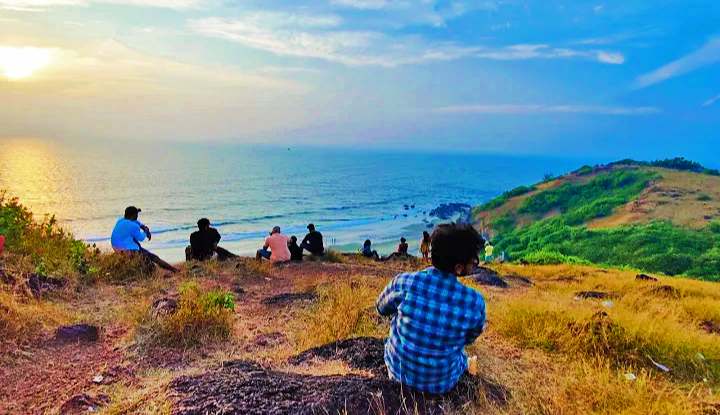
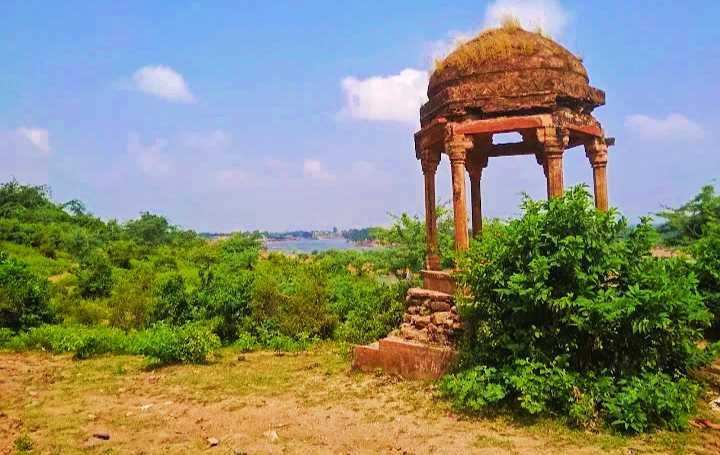
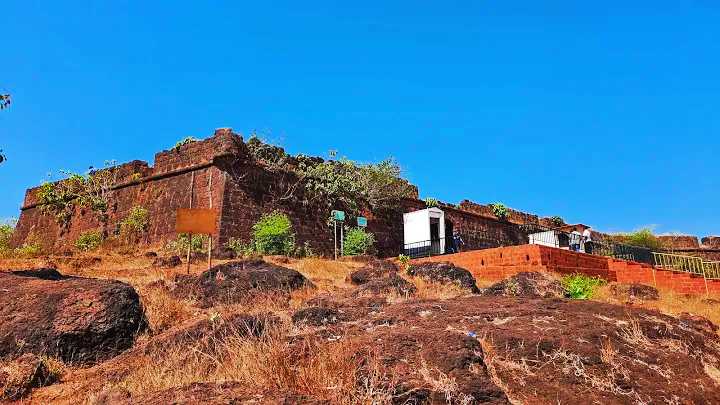
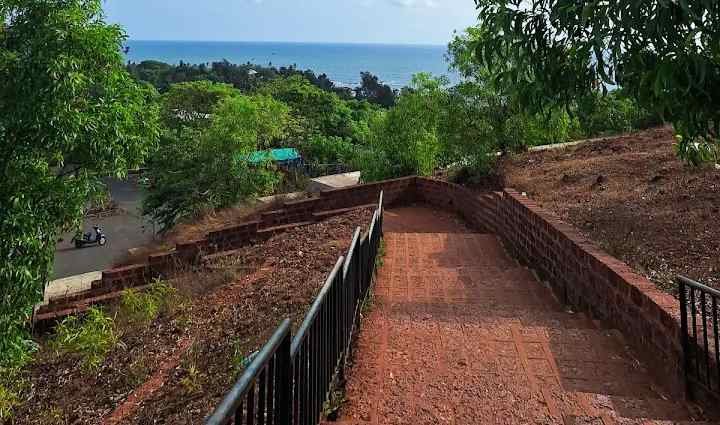
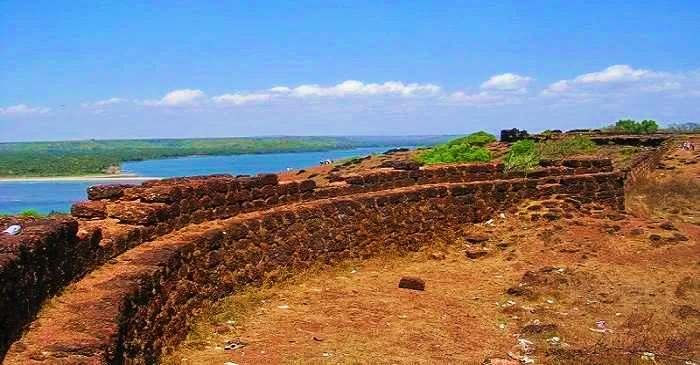
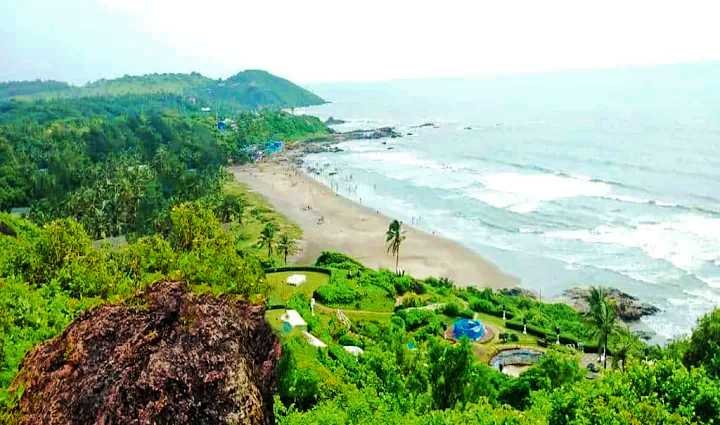
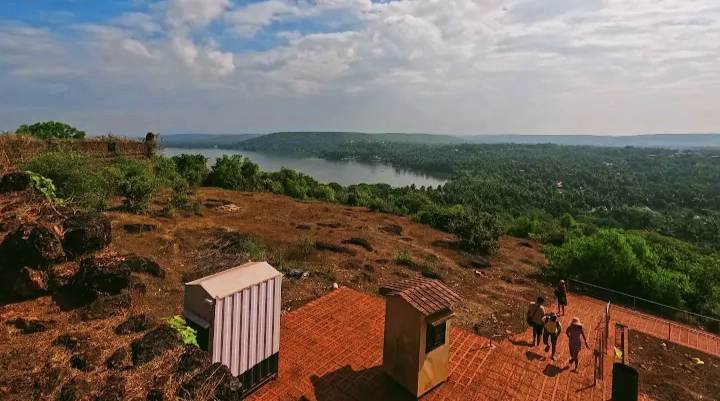
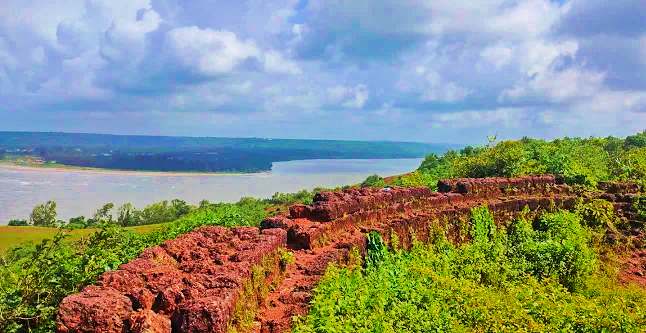
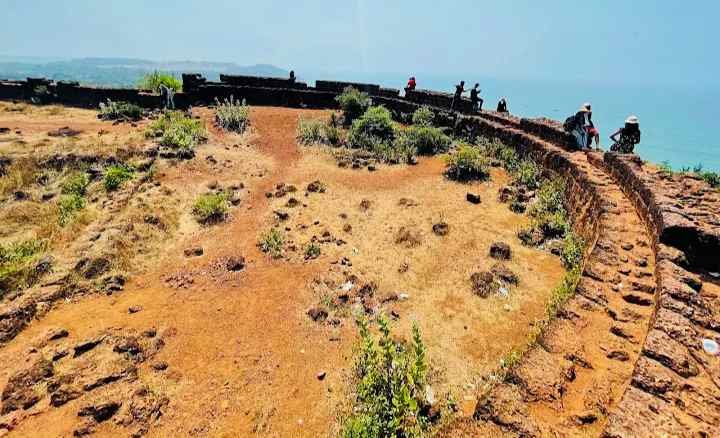
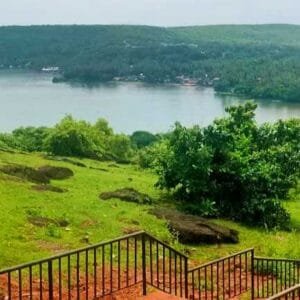
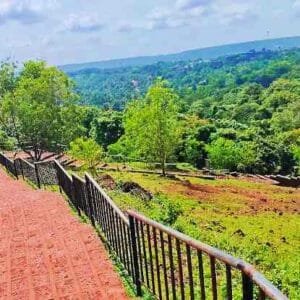
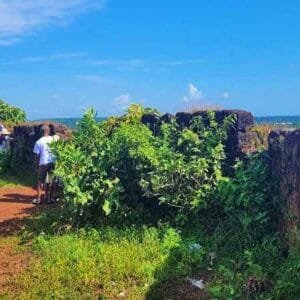
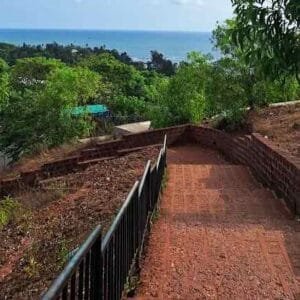
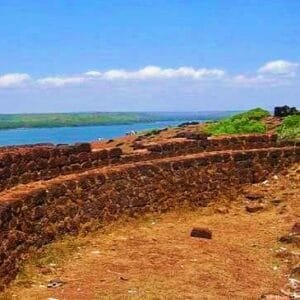
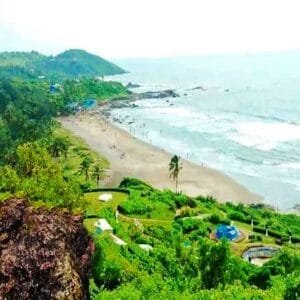
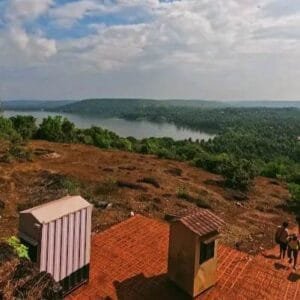
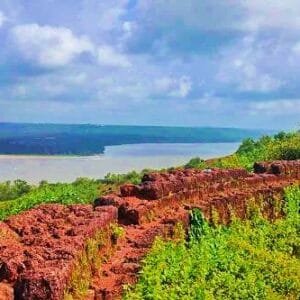
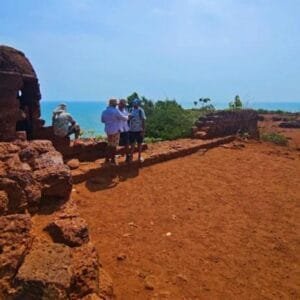
Chapora Fort is strategically located on a prominent headland overlooking the Chapora River in Bardez, North Goa, near the coastal village of Anjuna and Vagator Beach. Perched atop a 200-foot-high hill, the fort offers panoramic views of the Arabian Sea, Vagator Beach to the south, and Morjim Beach to the north.


1. Early Origins and Construction

The site of Chapora Fort has been of military importance for centuries. The original structure was built by the Muslim ruler Adil Shah of Bijapur in the 16th century. It was then called Shahpura, meaning “the town of Shah.” This early fortification was meant to secure the northern frontier of the Bijapur Sultanate against incursions.


2. Portuguese Era (1617 Onwards)

  • In 1617, after defeating the Bijapur Sultanate, the Portuguese captured the fort and reconstructed it to suit their defensive strategies. They reinforced the bastions and adapted it to serve as a watch post against Maratha invasions.

  • Due to the challenging terrain and its commanding views, Chapora Fort became a significant northern frontier outpost for Portuguese Goa.


3. Maratha and Portuguese Tug-of-War

  • The fort changed hands several times between the Marathas and the Portuguese during the late 17th and early 18th centuries.

  • In 1683, the Marathas briefly took over Chapora Fort during their campaign to dislodge the Portuguese from Goa. However, the Portuguese regained control shortly after.

  • In 1739, under the Maratha leader Chimaji Appa, the fort was again taken by the Marathas.

  • The Portuguese, unwilling to surrender this strategic post, recaptured it by 1741, after which they made significant renovations to bolster its defenses.


4. Decline and Abandonment

  • By the end of the 18th century, the importance of Chapora Fort declined. With the extension of Portuguese territory further north (to the Pernem region), Chapora Fort lost its strategic edge.

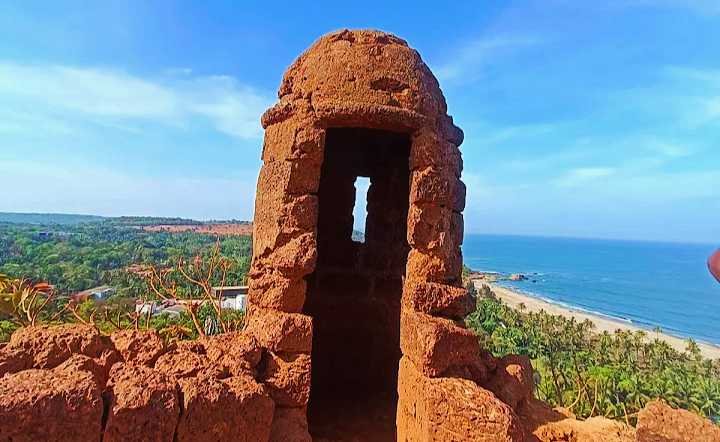
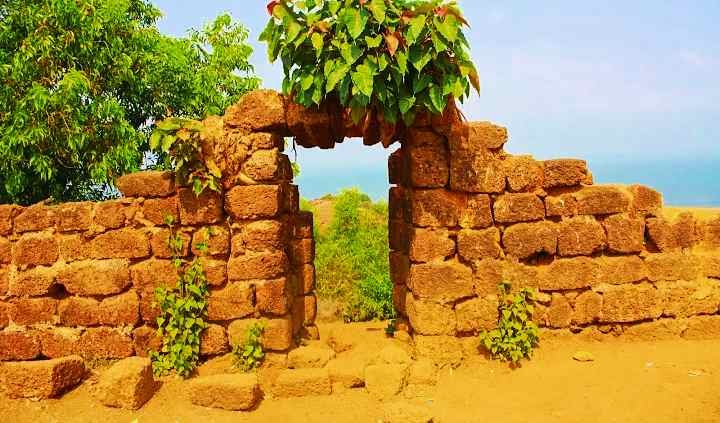
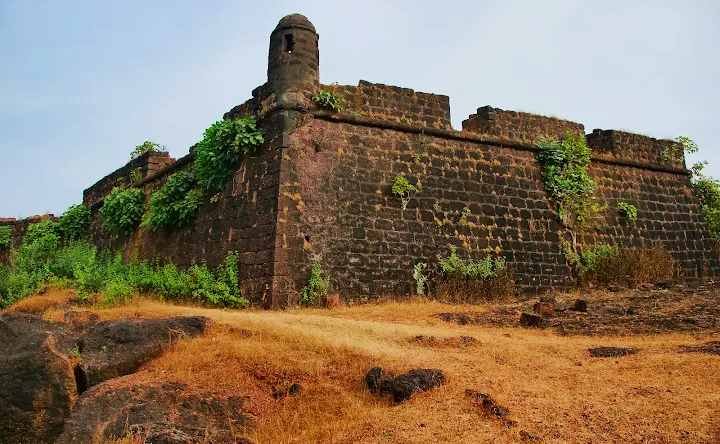
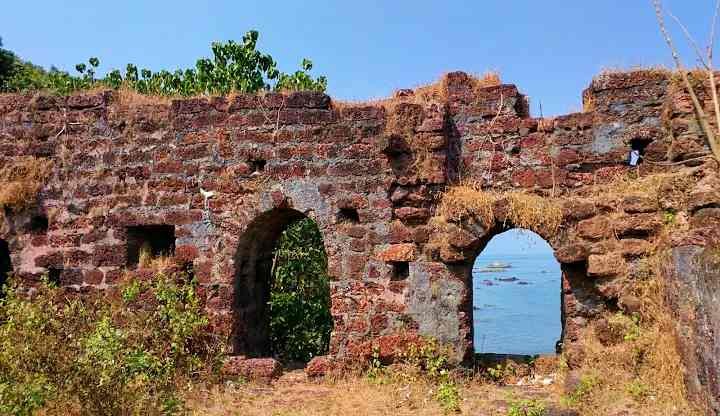
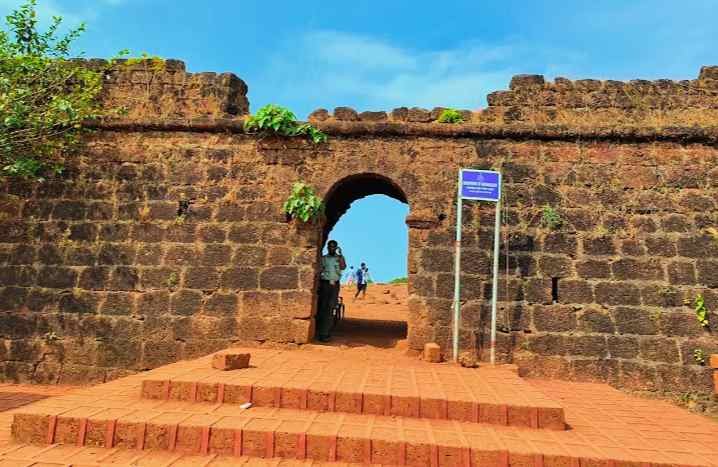
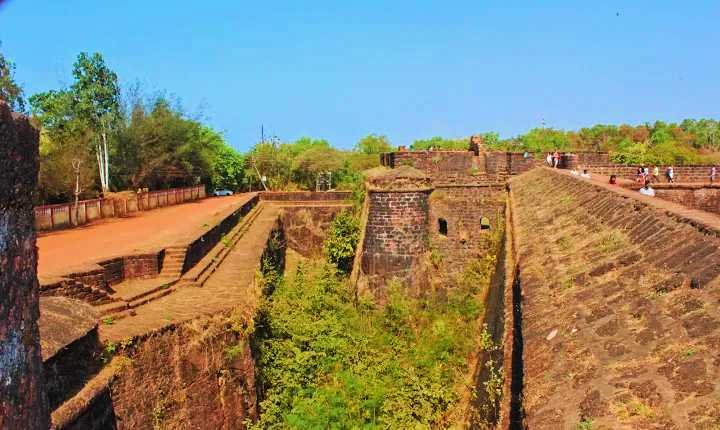
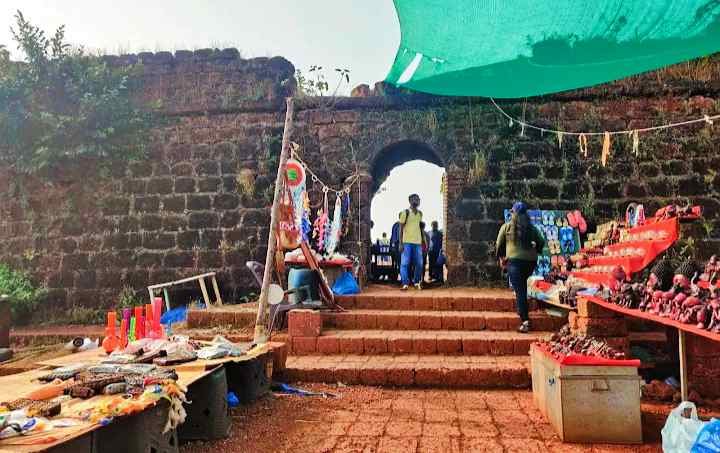
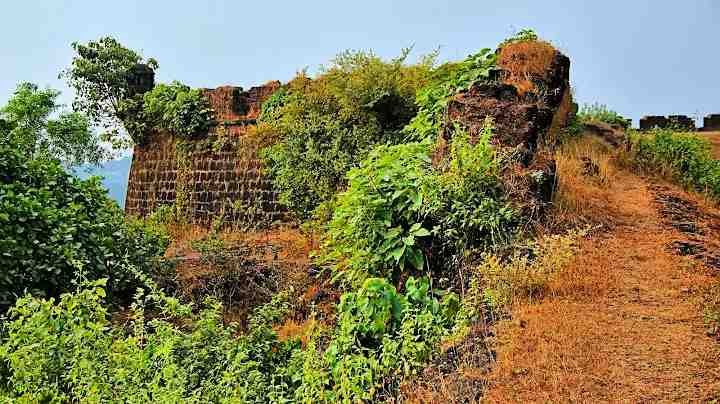
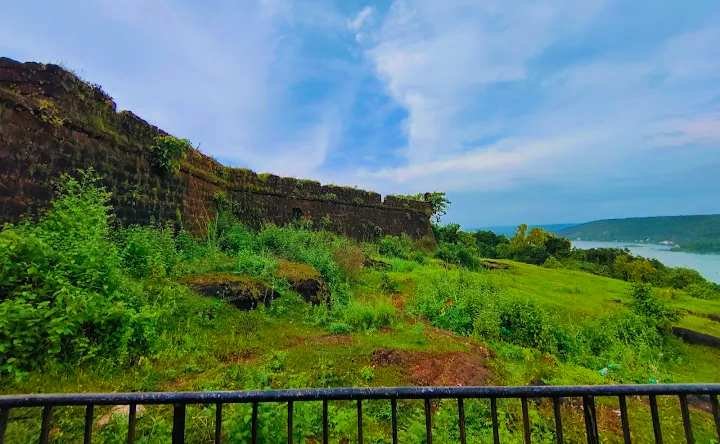
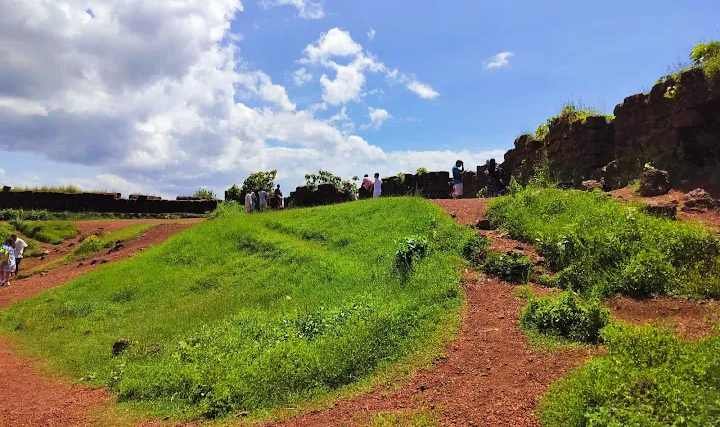
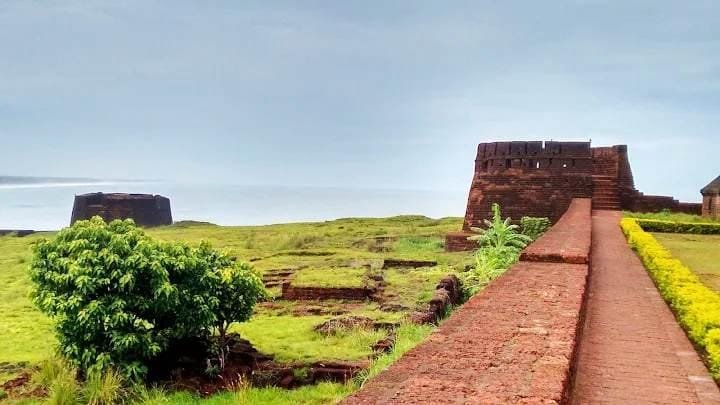
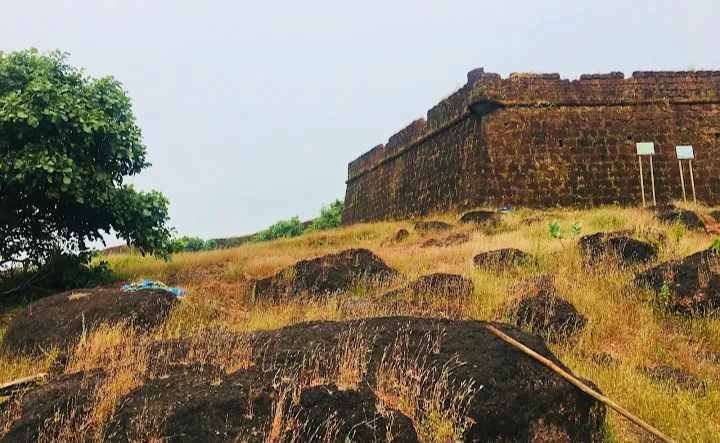
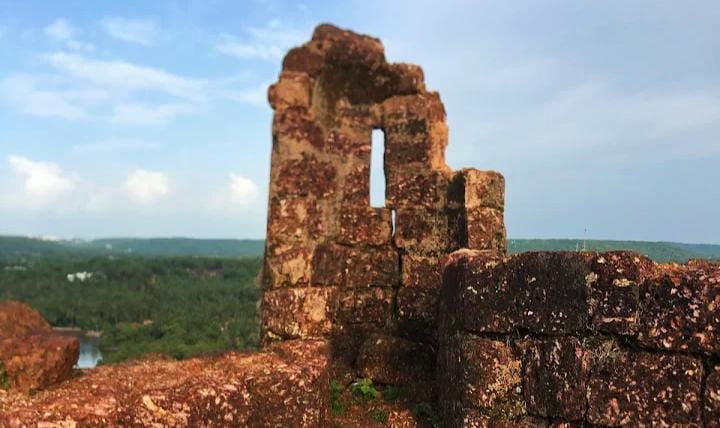
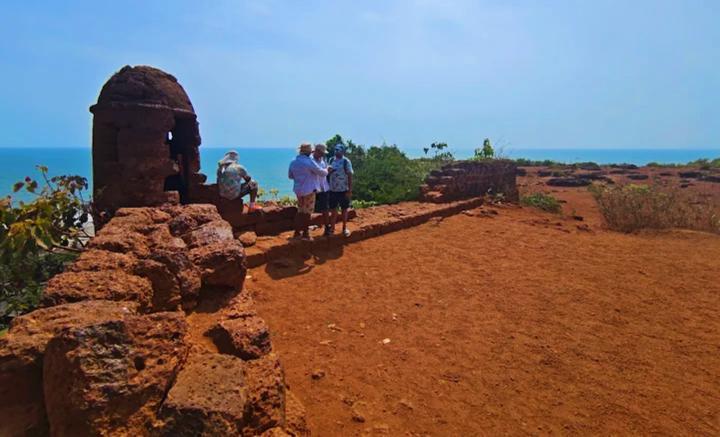
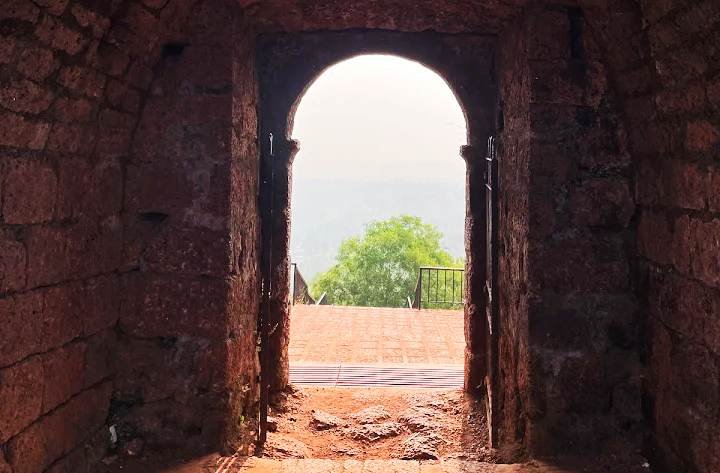
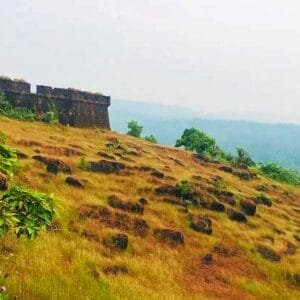
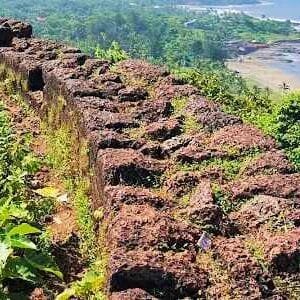
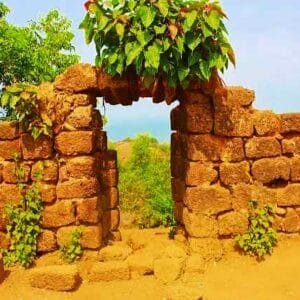
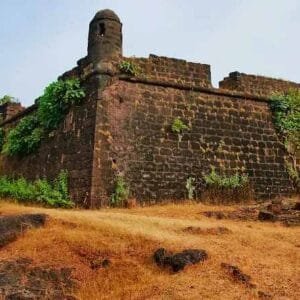
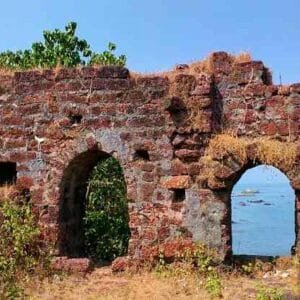
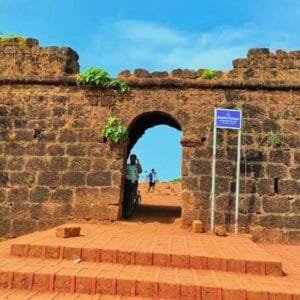
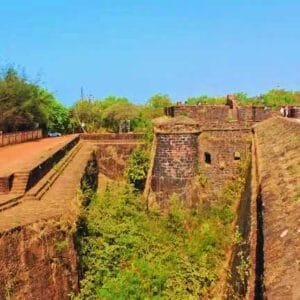
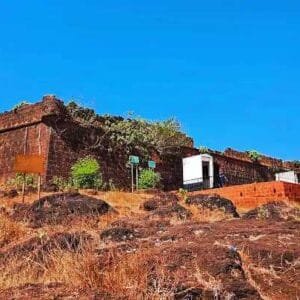
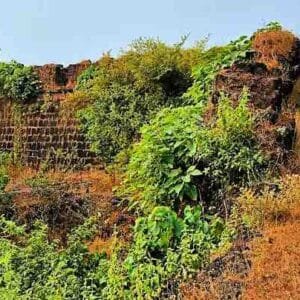
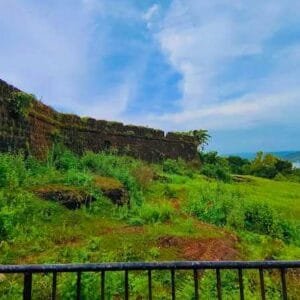
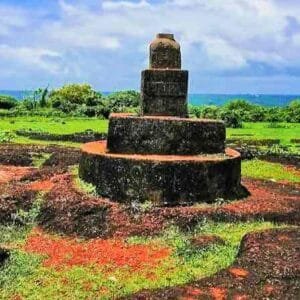
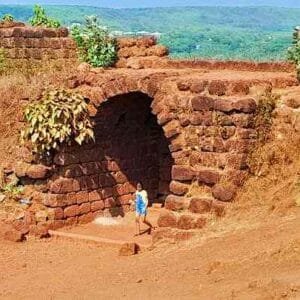
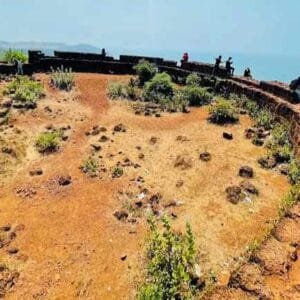
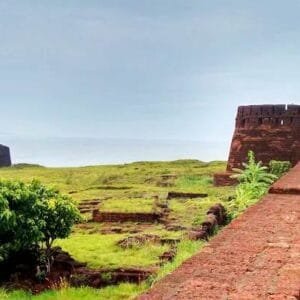
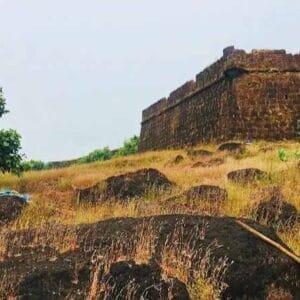
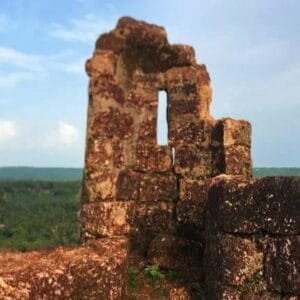
  • Eventually, the Portuguese abandoned the fort in 1892. Since then, it has remained in ruins, though its stone walls, gates, and several bastions with cylindrical turrets still stand as a testament to its turbulent past.


5. Cultural Significance and Modern-Day Popularity

  • Chapora Fort gained renewed attention in modern times due to its feature in the 1999 Bollywood film Dil Chahta Hai. This turned the fort into a popular tourist and youth hangout spot.

  • Today, it is a prominent heritage site, visited for its sunset views, breezy hilltop environment, and historical ambiance.


6. Architectural Features

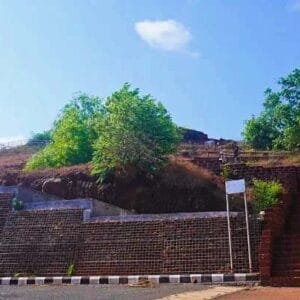
  • The fort follows the natural contours of the hill, with steep slopes on all sides.

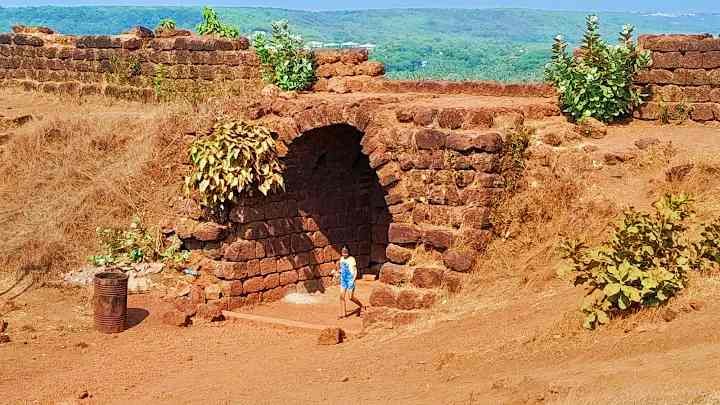
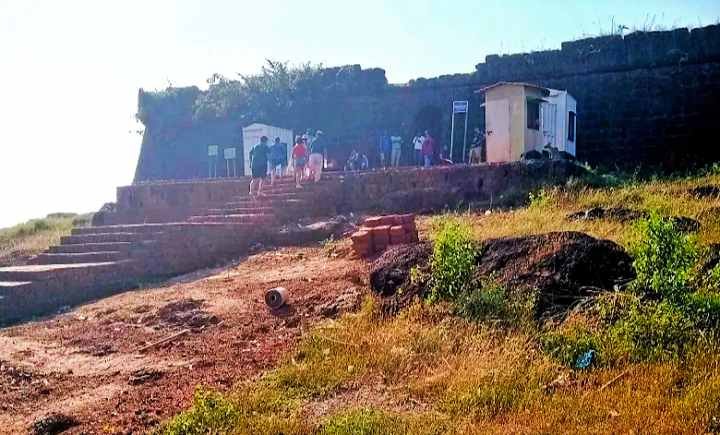
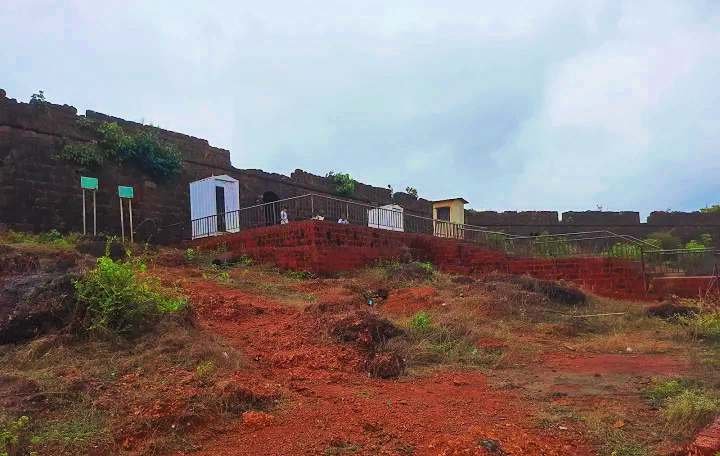
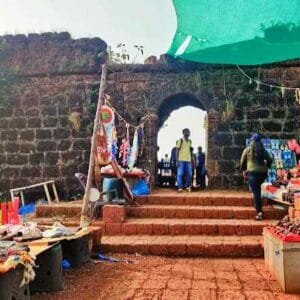
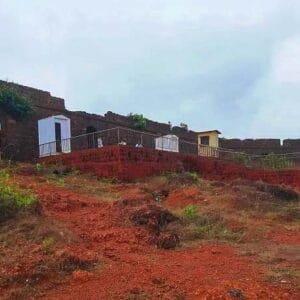
  • It has irregular outer walls, bastions, and a gate that reflects Portuguese military architecture.

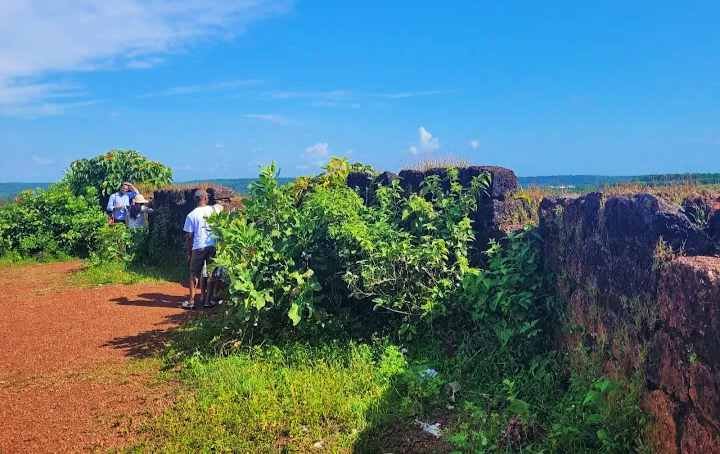
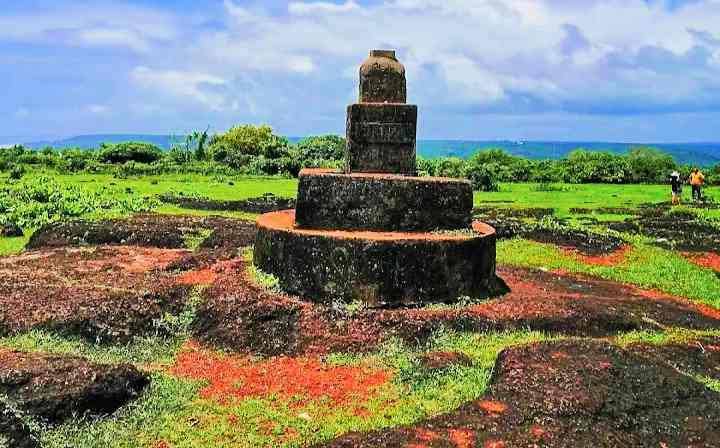
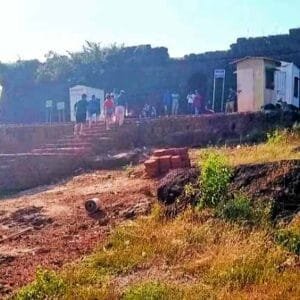
  • Inside the fort, only the remains of ancient buildings and storage rooms can be seen today.


Conclusion

Chapora Fort is more than just a ruined structure; it is a symbol of Goa’s resistance, colonial past, and cultural revival. Once a vital stronghold in the face of regional power struggles between the Portuguese and Marathas, it now stands as a silent sentinel overlooking the sea, narrating stories of its former glory. From strategic military base to cinematic fame, Chapora Fort remains an enduring landmark in Goa’s historical and cultural landscape.

Opening time
  • Daily: 9:30 AM – 5:30 PM

  • Last Entry: Around 5:00 PM

  • Open all days, but may close on national public holidays

Best time to visit
  • Late Afternoon to Evening:
    Between 4:00 PM and 6:00 PM is ideal for cooler weather and breathtaking sunset views over the Arabian Sea.

Best day to visit
  • Any day of the week is good since the fort is open daily.

  • Weekdays (Monday to Friday) are ideal if you prefer fewer crowds and a more peaceful experience.

  • Avoid public holidays and weekends if you want to skip heavy tourist traffic.

So, for a relaxed visit, try a weekday afternoon!

Best month/season to visit
  • Best Season:
    Winter season (November to February) — cool, dry, and pleasant weather ideal for sightseeing and outdoor activities.

  • Best Months:
    November, December, January, and February — comfortable temperatures, clear skies, and minimal rainfall.

National Emergency Number( sos )112
Place helping / contact no.Tourism Department of Goa:

Chapora Fort Contact Information:

  • Phone Number: +91 832 249 4500

SignificanceChapora Fort’s significance stems from its deep historical roots as a strategic military outpost that witnessed fierce battles, and its modern-day appeal as a prime tourist destination offering stunning views and a connection to both colonial history and popular culture.
Type of PlaceHistorical Fort / Heritage Monument, Major tourist attraction , Scenic viewpoint and former Military Landmark.
Built By
  • Originally built by: The Adil Shahi dynasty of the Bijapur Sultanate in the 16th century.

  • Later rebuilt and fortified by: The Portuguese in 1617 after capturing it from the Adil Shah rulers.

The fort’s construction reflects the combined military architectural styles of both rulers.

Year of Construction
  • Original Construction: Built in the 16th century by the Adil Shahi dynasty (exact year uncertain, likely mid-1500s).

  • Rebuilt and Renovated: In 1617 by the Portuguese after they took control of the region.

So, the fort’s origins date back roughly 400–450 years ago.

Public washroomAvailable nearby
Canteen / RestaurantThere are some popular restaurants near Chapora Fort where you can enjoy a meal or refreshments.
ParkingAvailable nearby
Busiest day
  • Weekends (Saturday & Sunday) are the busiest days.
  • Public holidays and festival days also see large crowds.
  • Tourists and locals flock to the fort on these days for sightseeing, photography, and nearby beach visits.

To avoid crowds and enjoy a peaceful visit:

  • Visit on weekdays (Monday to Thursday)

  • Arrive in the morning (before 11:00 AM) or late afternoon (after 4:00 PM)

Local language
  • Konkani: Primary local language spoken by the majority of Goans.

  • English: Widely understood and used, especially in churches, tourism, and official communication.

  • Portuguese: Some older locals and religious texts still retain Portuguese influence.

  • Hindi & Marathi: Also commonly spoken and understood in the region.

Nearby accommodationAvailable nearby
Spread over area
  • Chapora Fort is spread over approximately 6.5 acres of elevated land.

  • It is located on a hilltop overlooking the Chapora River and the Arabian Sea, giving it strategic and panoramic views.

Chapora Fort Ticket & Entry Fee Details: 

CategoryDetails
Entry Fee₹0 (Free for all visitors)
ChildrenFree
Foreign TouristsFree
Parking (Two-wheelers)₹40 for approx. 3 hours
Parking (Four-wheelers)Charges may vary (check locally)
Future Entry Fee (Planned)₹50 (Announced but not yet implemented)

Visitor Tips:

  • Wear comfortable shoes for the uphill walk

  • Carry water, sunscreen, and a hat

  • Arrive early or late afternoon to avoid crowds

  • Respect the heritage site and avoid littering

Things to Do at Chapora Fort: 

1. Enjoy Panoramic Views

  • Capture stunning views of the Arabian Sea, Chapora River, and Vagator & Anjuna beaches.

  • Ideal spot for sunrise and sunset photography.

2. Photography

  • Excellent backdrop for landscape, travel, and portrait photography.

  • Popular with Instagrammers and filmmakers (famous for the movie Dil Chahta Hai).

3. Short Trek / Hike

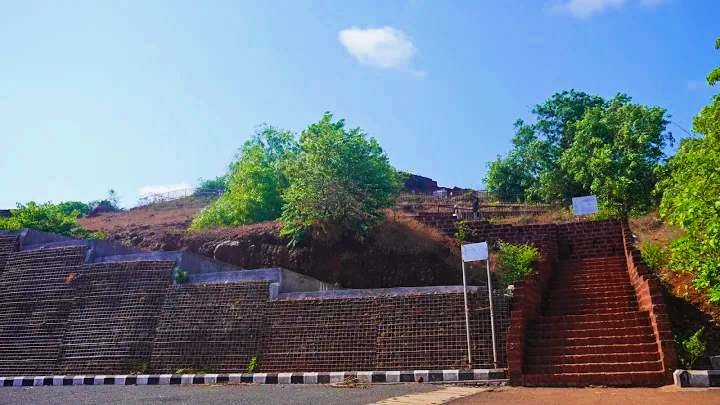
  • Enjoy a 10–15 minute uphill trail to reach the fort.

  • The trail is scenic and not too difficult, suitable for casual hikers.

4. Explore the Ruins

  • Walk through old Portuguese-style walls, bastions, and watchtowers.

  • Appreciate the historic charm and architecture.

5. Relax and Unwind

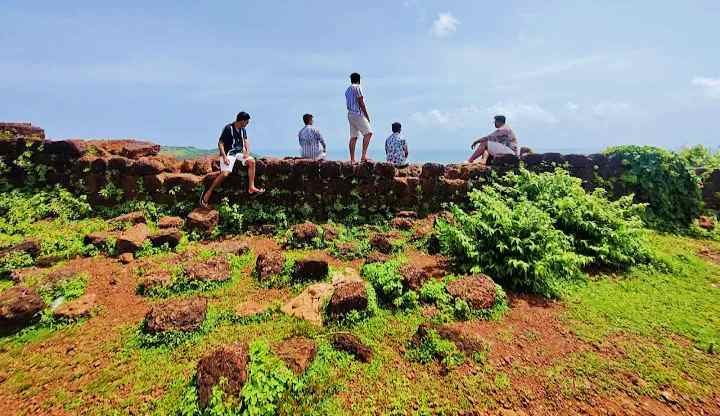
  • Sit on the fort walls or shaded areas and enjoy the breeze.

  • Great for a quiet break, sketching, journaling, or just soaking in the view.

6. Picnic Spot

  • Bring snacks or a light meal (no facilities inside).

  • Enjoy a peaceful open-air experience with scenic surroundings.

7. Film Location Spotting

  • Visit the famous spot from the Bollywood film Dil Chahta Hai (2001).

  • Popular with fans recreating movie scenes.

8. Visit Nearby Beaches

  • Combine your trip with Vagator or Anjuna Beach, just a few minutes away.

  • Ideal for beach walks, cafes, or watersports.

Travel Tips:  

  1. Wear Comfortable Footwear:
    The fort is reached via a short uphill trek on uneven paths, so sturdy, comfortable shoes are recommended.

  2. Carry Water and Snacks:
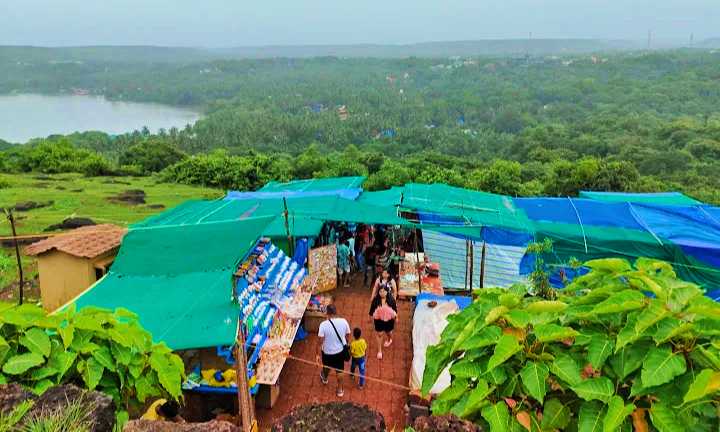
    There are no food or water stalls inside the fort, so bring your own refreshments.

  3. Visit During Off-Peak Hours:
    To avoid crowds, plan your visit on weekdays or early mornings/late afternoons.

  4. Sun Protection:
    Carry sunscreen, a hat, and sunglasses—much of the fort is exposed to the sun.

  5. Safety First:
    Be cautious near the edges and rocky areas; some parts have steep drops without railings.

  6. Respect the Site:
    Do not litter or damage the fort’s ruins. Preserve its historic charm.

  7. Use Nearby Facilities:
    Public washrooms and restaurants are available in Chapora or Vagator villages—use them before or after your visit.

  8. Photography:
    Bring your camera or smartphone for beautiful panoramic shots, especially during sunset.

  9. Combine with Nearby Attractions:
    Pair your trip with visits to Vagator Beach, Anjuna Beach, or the nearby flea markets.

  10. Check Weather Conditions:
    Avoid visiting during heavy rains or monsoon season for safety and better experience.


How to Reach: 

By Air

  • The nearest airport is Dabolim Airport (GOI), about 40 km from Chapora Fort.

  • From the airport, you can hire a taxi or use app-based cabs (Ola, Uber) to reach Chapora Fort directly (approx. 1.5-hour drive).

  • Alternatively, take a bus or taxi to Panaji city, then proceed to Chapora via local transport.

By Train

  • The nearest major railway station is Thivim Railway Station, around 22 km from Chapora Fort.

  • From Thivim, you can hire a taxi or take a bus heading toward Vagator, Anjuna, or Mapusa, then get local transport or taxi to Chapora Fort.

  • Another option is Madgaon (Margao) station, but it is farther (about 60 km).

By Road

  • Chapora Fort is well connected by road. You can drive or hire a taxi from Panaji, Mapusa, or other towns in Goa.

  • From Panaji, take NH66 toward Mapusa, then divert toward Anjuna/Vagator via local roads.

  • The fort is near Chapora village, with signboards guiding you.

By Local Transport

  • Local buses run from Panaji and Mapusa to Anjuna or Vagator; from there, you can take a short taxi or auto-rickshaw ride to Chapora Fort.

  • Auto-rickshaws are commonly available but negotiate the fare beforehand.

  • Renting a scooter or bike from nearby towns is a popular option for tourists, offering flexible travel.

1. Minimum Traveling Budget 

This budget is ideal for backpackers or solo travelers who prioritize essentials.

ExpenseEstimated Cost (INR)
Local Bus Fare (Two-Way)₹50 – ₹100
Scooter Rental (Optional)₹300 – ₹400/day
Fuel for Scooter (Approx.)₹100 – ₹150
Taxi Share or Auto (One-Way)₹100 – ₹150
Entry Fee₹0 (Free Entry)
Parking (If Scooter)₹40
Water & Snacks₹50 – ₹100
Meal at Local Eatery₹150 – ₹200
Miscellaneous₹50

Total Minimum Budget (Approx.) (Per Person/Day Trip):

  • By Bus/Shared Auto: ₹350 – ₹500

  • By Rented Scooter: ₹600 – ₹800

Budget Tips:

  • Travel in a group to split taxi/scooter costs.

  • Carry water and light snacks to save on food expenses.

  • Visit on a weekday to avoid surge in auto fares or tourist pricing.


2. Medium Traveling Budget 

Ideal for couples, families, or comfortable solo travelers seeking balanced comfort and convenience.

ExpenseEstimated Cost (INR)
Private Cab Hire (Round Trip)₹1000 – ₹1500 (from Panaji/Calangute)
Fuel (if self-drive)₹300 – ₹400
Entry Fee₹0 (Still Free)
Parking (Car)₹50 – ₹100
Snacks & Bottled Water₹100 – ₹150
Meal at Mid-Range Restaurant₹300 – ₹400
Souvenirs or Small Purchases₹100 – ₹200
Optional Activity (Guide, etc.)₹100 – ₹150

Total Medium Budget (Approx.) (Per Person/Day Trip):

  • Using Private Cab: ₹1800 – ₹2500

  • Self-Drive Option: ₹1400 – ₹1800

Travel Style:

  • Suitable for couples, families, or small groups who want privacy and convenience

  • Offers more flexibility and better dining options


3. Large Traveling Budget 

Perfect for Luxury Experience who prefer high-end accommodations, private transport, and fine dining.

ExpenseEstimated Cost (INR)
Private Luxury Cab or AC SUV₹2000 – ₹3000 (round trip)
Fuel (if self-drive premium car)₹500 – ₹700
Entry Fee₹0 (Still Free)
Valet or VIP Parking (if available)₹100 – ₹150
Premium Café or Beachside Restaurant Meal₹600 – ₹1000
High-end Coffee or Drinks₹200 – ₹300
Souvenirs / Local Art Purchases₹300 – ₹500
Personal Guide / Guided Tour₹300 – ₹500
Snacks, Mineral Water, etc.₹150 – ₹200
Spa / Massage Nearby (Optional)₹1000 – ₹2000 (if included)

Total Large Budget (Approx.):

  • With Private SUV & Premium Dining: ₹3500 – ₹5000

  • With Luxury Add-ons (Spa, Shopping, etc.): ₹5000 – ₹7000+

Ideal For:

  • Luxury travelers, honeymooners, foreign tourists

  • Those who prefer convenience, private guides, and upscale experiences

Reviews

There are no reviews yet.

Be the first to review “Chapora Fort , Chapora”

Your email address will not be published. Required fields are marked