
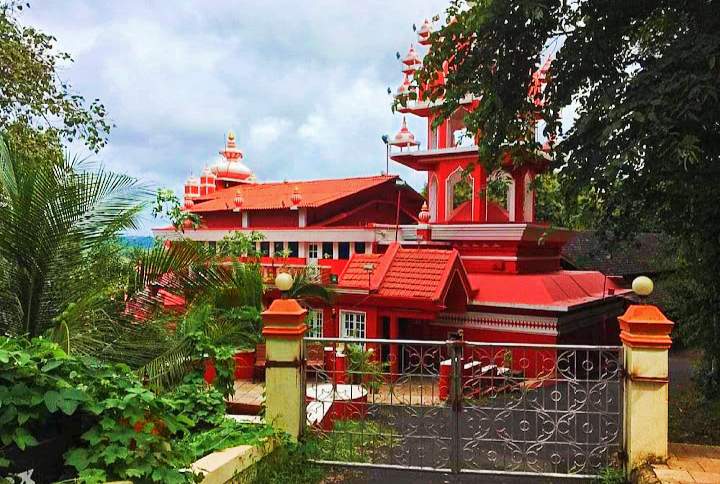
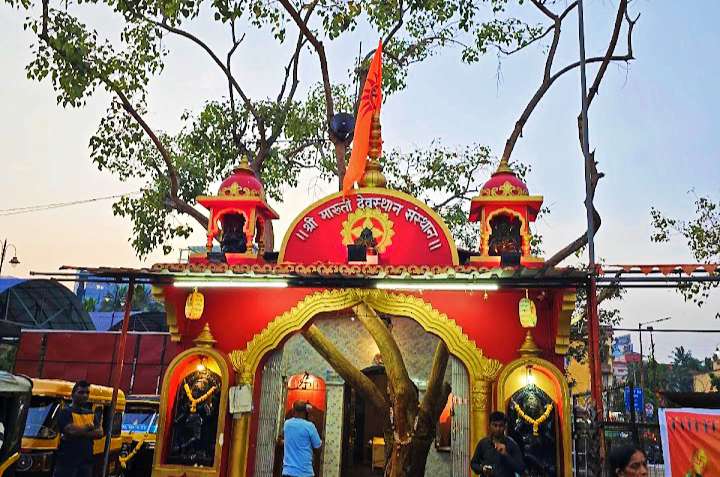
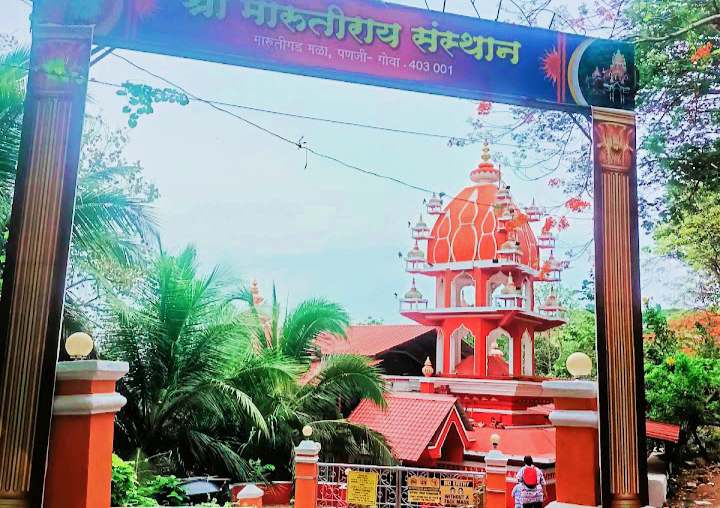

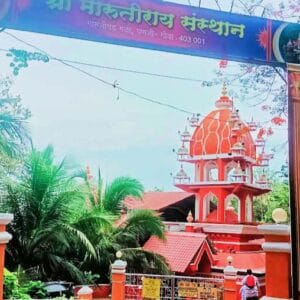
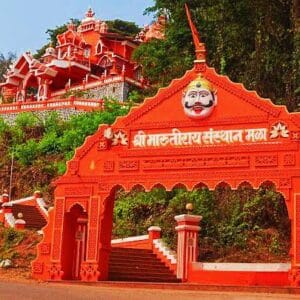


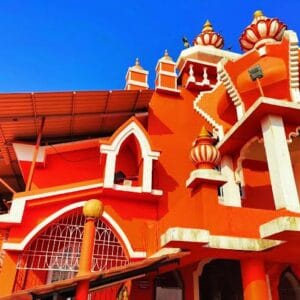
The Maruti Temple (Shree Maruti Mandir), Panaji

30 people are viewing this place right now

Address - Altinho Hill, Near Fontainhas, Panjim (Panaji), Goa – 403001

🕒open - 5:30 am

🕙Closed - 9:00 pm

🔖No Entry Ticket Required

🔖No Entry Ticket Required

Summary

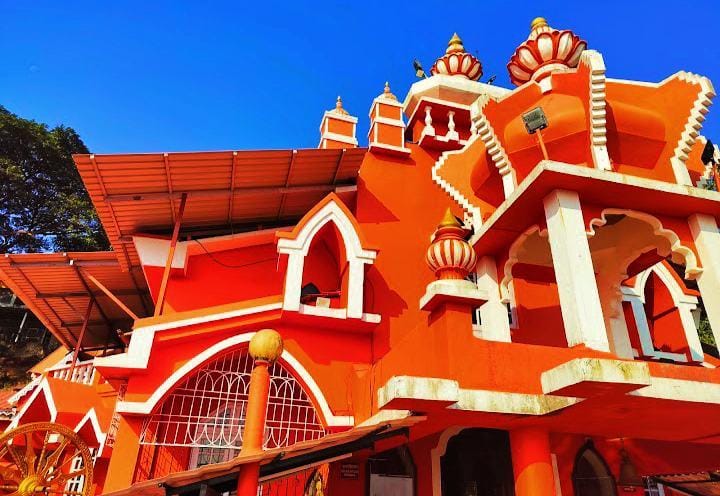
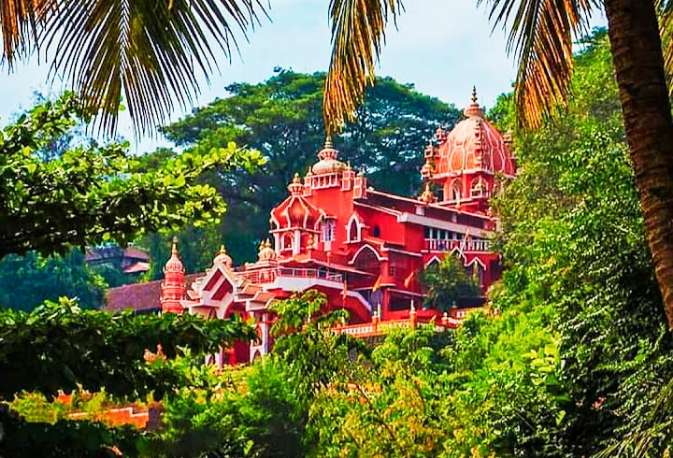
The Maruti Temple in Panaji, Goa, is a revered shrine dedicated to Lord Hanuman, built in 1934 on Altinho Hill. Overlooking the Fontainhas Latin Quarter, it is known for its vibrant annual festivals, traditional Goan architecture, and panoramic city views. It remains a symbol of local devotion and heritage.

Location

  • Altinho Hill, Near Fontainhas, Panjim (Panaji), Goa – 403001

⬇️Tap on “View larger map” to get Direction

Full Story

The Maruti Temple (also known as Shri Maruti Mandir) located on Altinho Hill, near Fontainhas, Panjim (Panaji), Goa, is one of the most prominent Hanuman temples in the region. Below is a detailed historical account of this temple:


1. Origins & Early History

  • The Maruti Temple is believed to have been originally built during the Kadamba dynasty (10th–14th century) when Hinduism was flourishing in Goa.
  • Some historians suggest that the temple was later relocated to Altinho Hill during the Portuguese colonial era (1510–1961) to protect it from destruction.
  • The Portuguese imposed strict anti-Hindu policies, leading to the demolition of many temples. Devotees often moved idols to safer locations, and the Maruti idol may have been shifted to Altinho during this time.

2. Portuguese Era & Secrecy

  • During the Inquisition (1560–1812), Hindu temples were systematically destroyed, and open worship was banned.
  • The Maruti Temple survived either because it was hidden in a remote location or because it was small and inconspicuous.
  • Some accounts suggest that devotees continued worship in secret, possibly under the guise of a cross or Christian symbol to avoid persecution.

3. Post-Liberation Revival (After 1961)

  • After Goa’s liberation from Portuguese rule in 1961, Hindu temples began to be restored openly.
  • The Maruti Temple was renovated and gained prominence as a key religious site in Panaji.
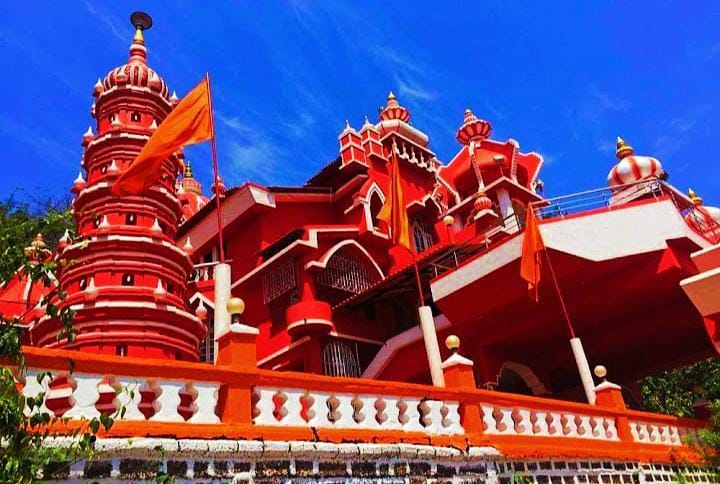
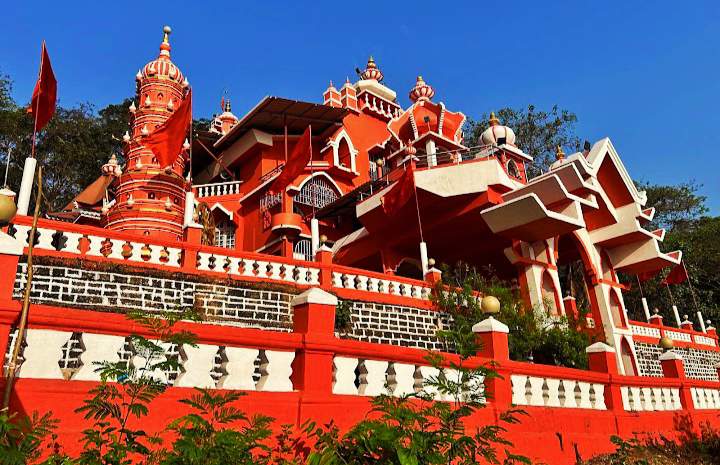
  • The current structure is relatively modern, built in traditional Goan temple architecture with a deepastambha (lamp tower) and a simple yet elegant sanctum.

4. Significance of the Temple

  • Dedication: The temple is dedicated to Lord Hanuman (Maruti), a symbol of strength, devotion, and protection.
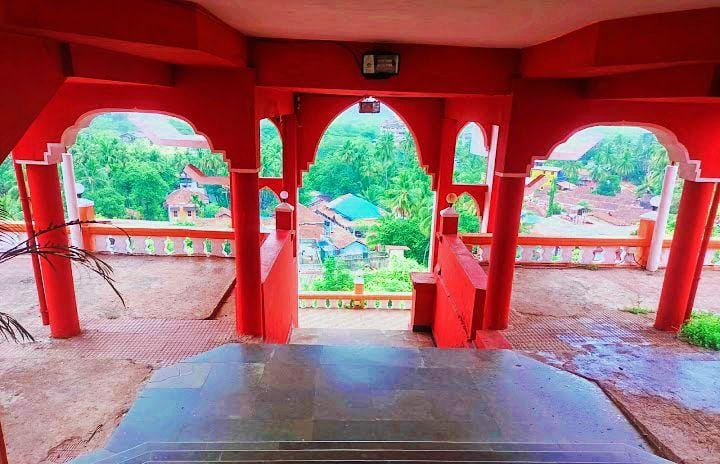
  • Location: Situated on Altinho Hill, it offers a panoramic view of Panaji, making it both a spiritual and tourist attraction.
  • Religious Importance: It is one of the few Hanuman temples in Goa and attracts devotees, especially on Tuesdays and Saturdays (considered auspicious for Hanuman worship).
  • Cultural Role: The temple plays a key role in Hindu festivals like Hanuman Jayanti, Diwali, and Gudi Padwa.

5. Architectural Features

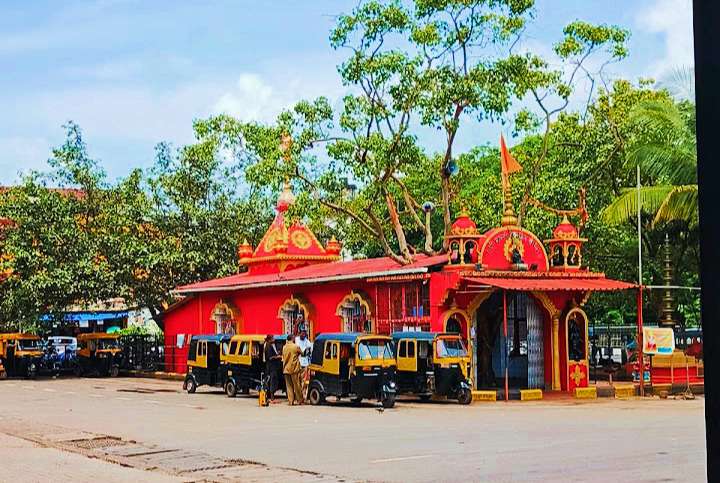
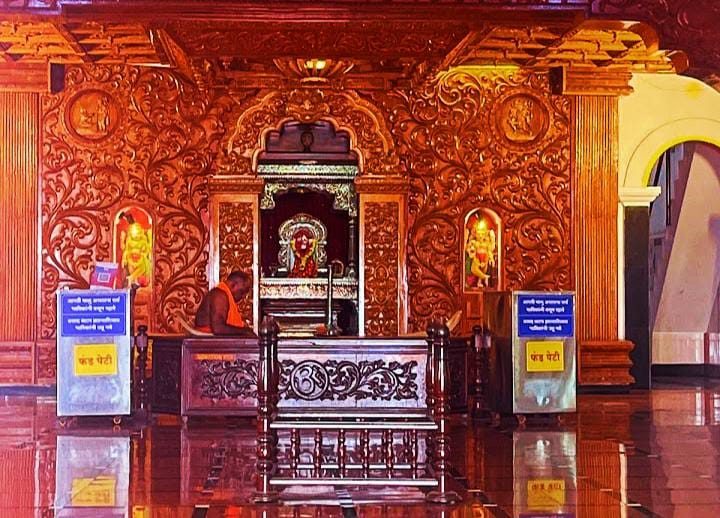
  • The temple follows Goan Hindu temple architecture with a mandapa (hall)garbhagriha (sanctum), and a tiled roof.
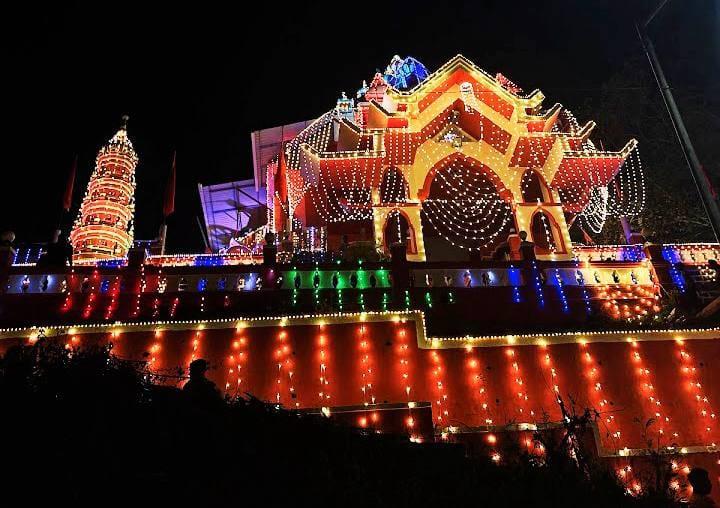
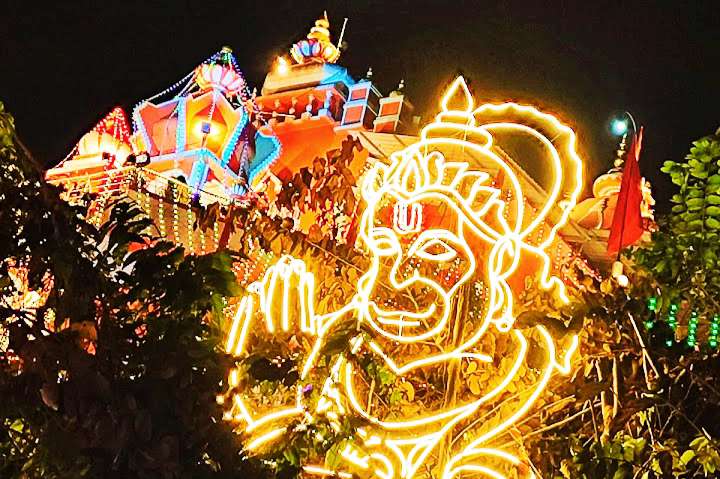
  • The deepastambha (lamp pillar) is a notable feature, lit during festivals.
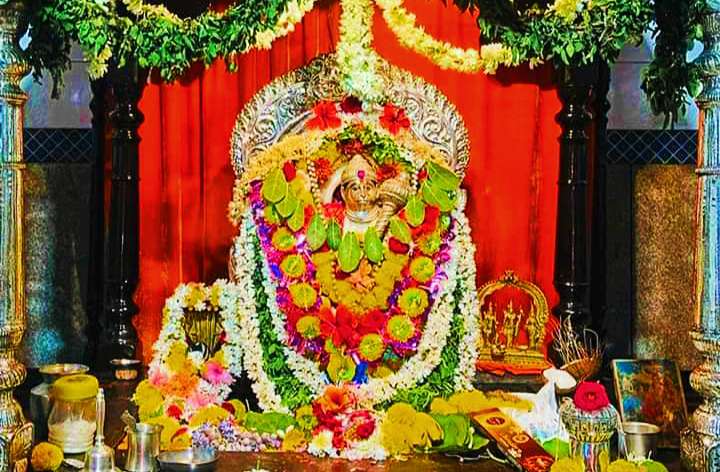
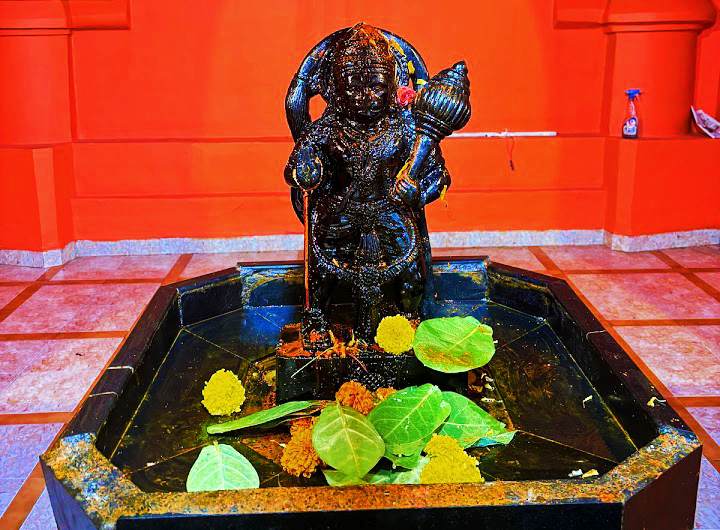
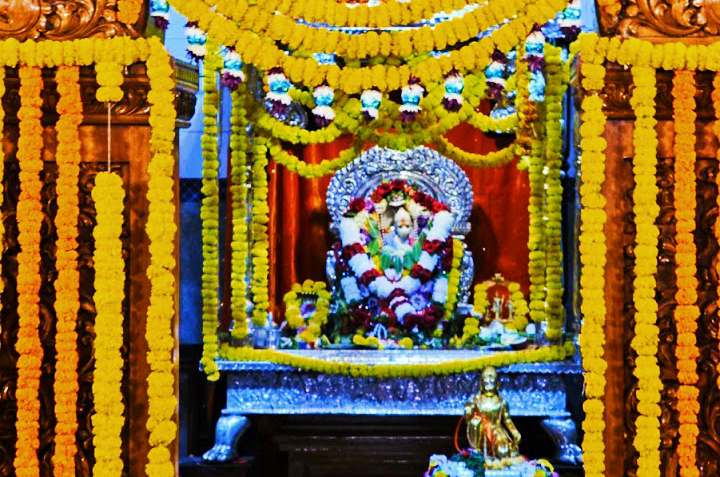
  • The idol of Hanuman is depicted in a devotional posture, often adorned with flowers and vermilion.

6. Modern-Day Importance

  • The temple is a peaceful retreat away from the bustling city, offering scenic views of the Mandovi River and Panaji.
  • It is managed by local Hindu trusts and remains an active place of worship.
  • Visitors include both devotees and tourists who come for the spiritual ambiance and the stunning sunset views.

Conclusion

The Maruti Temple on Altinho Hill is not just a religious site but also a symbol of resilience, having survived centuries of colonial suppression. Today, it stands as a testament to Goa’s enduring Hindu heritage and remains a must-visit for those exploring Panaji’s spiritual and historical landscape.

Opening time
  • Morning: 5:30 AM to 12:00 PM
  • Evening: 4:00 PM to 9:00 PM

Aarti timings are usually during early morning and evening. It’s best to visit during these hours for a peaceful darshan.

Best time to visit
  • Early Morning (6:00 AM – 8:00 AM): Peaceful ambiance, cool weather, and fewer crowds. Ideal for spiritual seekers.

  • Evening (5:00 PM – 7:00 PM): Aarti time, beautifully lit lamp tower (deepastambha), and great city views from Altinho Hill.

Best day to visit
  • Tuesday – Considered highly auspicious for Lord Hanuman; the temple sees more devotees and special prayers.

  • Saturday – Also a spiritually significant day for Hanuman worship, often with extra rituals.

For a peaceful visit, go on weekdays other than Tuesday or Saturday. For spiritual energy and devotion, choose these two days.

Best month/season to visit
  • Best Season: Winter (November to February)

    • Pleasant weather, ideal for sightseeing and temple visits.

  • Best Month: March or April (During Hanuman Jayanti)

    • Experience grand celebrations, cultural performances, and spiritual vibes.

Avoid monsoon (June to September) due to heavy rains in Goa.

National Emergency Number( sos )112
Place helping / contact no.Tourism Department of Goa:

  • Contact No.: +91 832 2494204
  • Contact No.: +91 832 2494200
  • Contact No.: +91 832 2494225
SignificanceMaruti Temple in Panjim honors Lord Hanuman and is a key religious site. Located on Altinho Hill with views of Fontainhas, it’s known for its yearly festival. Historically, it marks the resilience of Hindu faith during Portuguese rule.
Type of PlaceReligious Site , Hindu Temple , Pilgrimage Destination , Cultural Heritage Site , place of worship , spiritual Site  & Tourist Attraction.
Built By

The original Maruti Temple is believed to have been built by local Hindu devotees, possibly during the Kadamba dynasty period (10th–14th century). The current structure on Altinho Hill was rebuilt in the 19th century by the local Hindu community after religious restrictions under Portuguese rule were relaxed. No specific individual is credited, as it was a collective community effort.

Year of Construction
  • Original Structure: Believed to date back to the Kadamba dynasty (around the 10th–14th century).

  • Current Structure: Reconstructed in the 19th century during the later phase of Portuguese rule in Goa.

Note: Exact year is not documented, but the temple was rebuilt when religious restrictions were relaxed.

Public washroombasic restroom facilities are available at Maruti Temple and nearby areas like Fonte Phoenix in Panaji.
Canteen / RestaurantThe Maruti Temple in Panaji does not have an on-site canteen. However, there are several dining options nearby.
ParkingParking near Maruti Temple is limited, and visitors often find it challenging to secure a spot close to the temple. The area around the temple has been designated as a pay-parking zone by the Corporation of the City of Panaji (CCP), and parking fees apply 24 hours a day.
Busiest day
  • Saturdays: Lord Hanuman’s day, attracting numerous devotees.

  • Tuesdays: Also considered auspicious for Hanuman worship, leading to increased attendance.

  • Annual Zatra (Jatra): Held in late January or early February, this festival includes palanquin processions and festive stalls, drawing large crowds.

Local language
  • Konkani: Primary local language spoken by the majority of Goans.

  • English: Widely understood and used, especially in churches, tourism, and official communication.

  • Portuguese: Some older locals and religious texts still retain Portuguese influence.

  • Hindi & Marathi: Also commonly spoken and understood in the region.

Nearby accommodationAvailable nearby
Spread over areaThe Maruti Temple in Panaji is modest in size but prominently located on Altinho Hill. While the exact area isn’t officially documented, it offers panoramic city and river views, making it a scenic spiritual site.

Maruti Temple, Panaji – Entry and Parking Details:

  • Entry Fee: Visiting the Maruti Temple is free of charge; there is no entry fee for devotees and tourists.

  • Parking Fees: Government-allocated parking is available near the temple, with fees typically around ₹20.

  • Please note that parking availability may be limited, especially during peak times and festivals.

Things To Do at Maruti Temple, Panaji:

  1. Seek Blessings: Offer prayers to Lord Hanuman, especially on Tuesdays and Saturdays.

  2. Attend Aarti: Experience morning and evening aarti with devotional chants.

  3. Enjoy the View: Admire panoramic views of Panaji and the Mandovi River from Altinho Hill.

  4. Explore Fontainhas: Walk around the nearby Portuguese-style Latin Quarter.

  5. Photography: Capture the serene temple architecture and cityscape.

  6. Participate in Festivals: Visit during Hanuman Jayanti or the annual Zatra for vibrant celebrations.

  7. Quiet Meditation: Spend peaceful moments in the temple’s calm ambiance.

Travel Tips 

  1. Visit Early Morning or Evening: For cooler temperatures and peaceful darshan.

  2. Avoid Peak Days: Tuesdays, Saturdays, and festival days can be crowded.

  3. Wear Modest Clothing: As a sign of respect in this religious site.

  4. Footwear: Remove shoes before entering the temple premises.

  5. Carry Water: Especially during summer months; limited shops nearby.

  6. Combine with Fontainhas Tour: Explore the colorful Latin Quarter nearby.

  7. Use Local Transport: Auto-rickshaws or two-wheelers are convenient on the hill roads.

  8. Respect Temple Etiquette: Maintain silence and avoid photography during prayers.


How to Reach

From Panaji City Center:

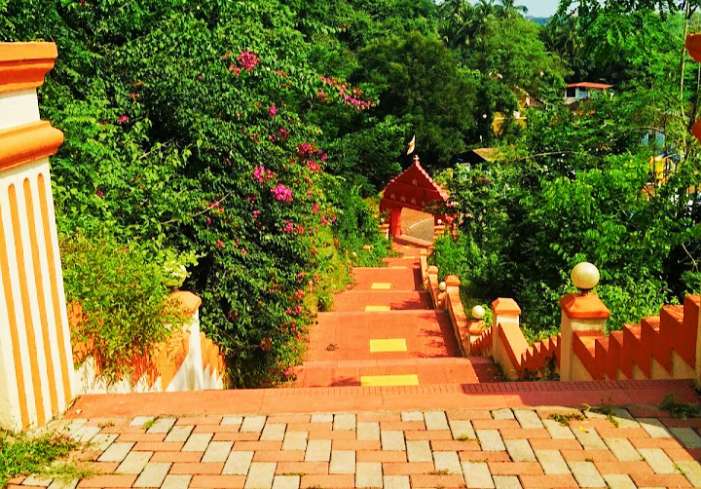
  • Walking: The temple is approximately 650 meters from the Fontainhas area. You can reach it by ascending the steps near the Phoenix Spring or by following the winding road leading up Altinho Hill.

  • By Car or Auto-Rickshaw: Local transportation options like taxis or auto-rickshaws are available. Inform the driver you’re heading to Maruti Temple on Altinho Hill.

From Other Parts of Goa:

  • By Bus: If you’re using public transport, Panjim’s Bus Stand is the closest major stop. From there, you can either walk or take a short auto-rickshaw ride to the temple.

  • By Train: The nearest railway station is Karmali Station, approximately 12 km from Panaji. From the station, you can hire a taxi or take a bus to Panaji and then proceed to the temple.

  • By Air: Goa International Airport (Dabolim) is about 30 km from Panaji. Taxis and buses are available from the airport to Panaji.

1. Minimum Traveling Budget 

This budget is ideal for backpackers or solo travelers who prioritize essentials.

Expense CategoryApprox. Cost (INR)Details
Local Transport₹100–₹150Auto-rickshaw or bus within Panaji
Meals (Basic)₹100–₹150Local eateries or street food
Drinking Water/Snacks₹50Light refreshments
Entry FeeFreeNo entry ticket required at Maruti Temple
Miscellaneous₹50Donations, offerings, minor purchases
Total Estimated Budget (per day, Per person)₹300–₹400Budget option for a local or nearby traveler
Tip: Costs may vary based on travel style and where you’re coming from. This estimate assumes you’re already in Goa or Panaji


2. Medium Traveling Budget 

Ideal for couples, families, or comfortable solo travelers seeking balanced comfort and convenience.

Expense CategoryApproximate Cost (INR)Details
Transportation₹500–₹1,000Taxi or rental vehicle within Panaji.
Meals₹500–₹1,000Dining at mid-range restaurants.
Drinking Water/Snacks₹100Light refreshments.
Entry FeeFreeNo entry fee for Maruti Temple.
Miscellaneous₹200Donations, offerings, minor purchases.
Total Estimated Budget (per day, Per person)₹1,300–₹2,300Estimated range for a comfortable day trip.

Additional Considerations:

  • Accommodation: If planning to stay overnight, mid-range hotels in Panaji typically range from ₹2,000 to ₹5,000 per night.

  • Seasonal Variations: Travel costs can fluctuate based on the tourist season. Booking accommodations and transportation in advance can help manage expenses.

  • Extended Stay: For a multi-day trip, anticipate daily expenses between ₹4,500 to ₹7,000, aligning with mid-range travel budgets in India.

  • By allocating funds within this range, you can enjoy a comfortable visit to Maruti Temple and explore the surrounding areas with ease


3. Large Traveling Budget 

Perfect for Luxury Experience who prefer high-end accommodations, private transport, and fine dining.

Expense CategoryApproximate Cost (INR)Details
Private Transport₹2,000–₹3,000Chauffeured car or luxury taxi for the day
Meals (Fine Dining)₹1,500–₹2,500High-end restaurants or cafes in Panaji
Accommodation₹6,000–₹15,000+4-star or 5-star hotels near Panaji (if staying overnight)
Shopping/Souvenirs₹1,000–₹3,000Local art, souvenirs from Fontainhas area
Miscellaneous₹500–₹1,000Donations, temple offerings, extra activities
Entry FeeFreeNo entry fee for Maruti Temple
Total (Day Trip)₹5,000–₹9,000+For a luxury single-day visit without overnight stay
Total Estimated Budget (per day, Per person With Stay)₹10,000–₹20,000+Including high-end accommodation and premium experiences
Ideal For: Travelers seeking personalized service, high comfort, and premium cultural experiences around Panaji and North Goa.

Reviews

There are no reviews yet.

Be the first to review “The Maruti Temple (Shree Maruti Mandir), Panaji”

Your email address will not be published. Required fields are marked